

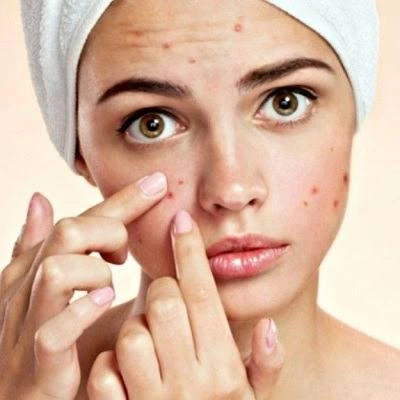
Persistent acne can be frustrating, especially when pimples continue to appear despite regular cleansing and skincare. Recurring breakouts may involve clogged pores, excess oil, hormonal changes, or inflammation, and using unsuitable products can sometimes make irritation worse. At Glamorous Clinic Dubai, Acne Treatment in Dubai & Sharjah helps individuals explore suitable options for managing recurring acne, improving skin texture, and supporting a healthier-looking complexion.
Understanding Persistent Acne Breakouts
Acne develops when hair follicles become blocked with oil and dead skin cells. Inflammation and bacteria can contribute to the formation of blemishes. While some breakouts resolve quickly, persistent acne may continue for weeks or months without an appropriate management plan.
Several factors may contribute to recurring acne:
-
Hormonal fluctuations: Changes in hormone levels can influence oil production and trigger breakouts.
-
Excess sebum: Oil can combine with dead skin cells and contribute to clogged pores.
-
Genetic factors: A family history of acne may increase susceptibility.
-
Skincare products: Certain heavy or pore-clogging products may aggravate acne.
-
Skin irritation: Harsh cleansers, excessive exfoliation, and frequent product changes may damage the skin barrier.
-
Stress: Stress may worsen existing acne in some individuals.
Persistent acne is not necessarily caused by inadequate cleansing. Washing too frequently or scrubbing aggressively can irritate the skin without addressing the underlying factors.
Recognising Different Types of Persistent Acne
Identifying the type of acne affecting your skin is an important step towards choosing appropriate care.
Blackheads and Whiteheads
These blemishes form when pores become clogged. Blackheads have an open surface, while whiteheads develop beneath a closed pore. Suitable products containing salicylic acid may help manage congestion in some people.
Inflammatory Pimples
Inflammatory acne can appear as red, swollen, or tender bumps. Some pimples contain visible pus, while others remain beneath the skin’s surface.
Treatment depends on the severity of inflammation and may include topical products or prescription medication.
Deep and Painful Acne
Deep nodules and other severe acne lesions may cause discomfort and increase the risk of permanent scarring. These breakouts should be assessed by a qualified medical professional rather than treated only with cosmetic skincare products.
Acne Marks and Scarring
Recurring inflammation can leave flat red or brown marks after blemishes heal. Deeper acne may also cause raised or depressed scars. These concerns require different approaches, so it is useful to distinguish pigmentation from changes in skin texture.
Choosing Treatment for Recurring Breakouts
The most suitable acne treatment depends on the severity of breakouts, skin sensitivity, medical history, and previous treatment results.
Topical Products for Acne Management
Commonly used acne ingredients include:
-
Salicylic acid: Helps exfoliate inside pores and manage blackheads and whiteheads.
-
Benzoyl peroxide: Helps reduce acne-causing bacteria and inflammatory lesions.
-
Topical retinoids: Help prevent clogged pores and support normal skin-cell turnover.
-
Azelaic acid: May help manage acne and improve the appearance of certain post-acne marks.
Introduce active ingredients gradually and follow product directions. Combining multiple strong ingredients can cause dryness, redness, and irritation. Topical retinoids may not be suitable during pregnancy, so discuss appropriate alternatives with a qualified healthcare professional.
Professional Skin Treatments
Selected chemical peels and other professional procedures may be considered for certain types of congestion, uneven texture, or post-acne discoloration. However, not every procedure is suitable for persistent inflammatory acne.
Treatment selection should take account of active breakouts, skin sensitivity, and the risk of pigmentation changes. Severe or painful acne may need medical management before procedures targeting texture or marks are considered.
Prescription Treatment for Persistent Acne
When acne continues despite consistent skincare, prescription medication may be appropriate. Depending on the condition, a qualified clinician may recommend topical or oral treatments.
Some medicines require monitoring and have important precautions. A clinician should review your medical history, current medications, and pregnancy considerations before recommending treatment.
At Glamorous Clinic Dubai, discussing your symptoms and previous skincare experiences can help you understand what options may be appropriate for your circumstances.
Build a Daily Routine That Supports Acne Care
A simple, consistent skincare routine can support treatment and help maintain the skin barrier.
Morning Routine
-
Cleanse with a gentle facial cleanser.
-
Apply a lightweight, non-comedogenic moisturiser.
-
Use broad-spectrum sunscreen with SPF 30 or higher.
Evening Routine
-
Remove makeup and sunscreen.
-
Cleanse without scrubbing.
-
Apply your recommended acne product according to its instructions.
-
Moisturise to help reduce dryness.
Avoid squeezing or picking blemishes because this can increase inflammation and the risk of scarring. Choose non-comedogenic products where possible, and introduce new active ingredients one at a time.
If a product causes persistent burning, swelling, or significant irritation, stop using it and seek appropriate advice.
How to Reduce the Risk of Acne Scars
Persistent acne can increase the likelihood of marks and scarring, particularly when deeper lesions are involved. Early assessment and appropriate management can help reduce the risk of further skin damage.
Helpful steps include:
-
Avoid picking or squeezing pimples.
-
Use sunscreen consistently to help prevent discoloration from becoming more noticeable.
-
Follow a suitable skincare routine rather than repeatedly switching products.
-
Seek professional advice for deep, painful, or recurring breakouts.
-
Discuss persistent marks or scars separately from active acne.
A consultation about Acne Treatment in Dubai & Sharjah can help clarify whether your main concern is active inflammation, clogged pores, pigmentation, or scarring.
How Long Does Acne Treatment Take?
Acne treatment generally requires patience and consistency. Many commonly used treatments need around six to eight weeks before noticeable improvement, while more substantial results may take several months.
The timeline depends on acne severity, the treatment selected, and how your skin responds. If breakouts continue or become more painful, your treatment plan may need reassessment.
No treatment can guarantee permanently clear skin, but appropriate care can help manage recurring breakouts and support healthier-looking skin over time.
Frequently Asked Questions
Why do my acne breakouts keep returning?
Recurring acne may be influenced by hormonal changes, genetics, excess oil, clogged pores, or unsuitable skincare products. Identifying contributing factors can help guide treatment choices.
Should I change my skincare products frequently?
Frequent changes can make it difficult to determine which products are helping and may increase irritation. Introduce new products gradually and give suitable treatments enough time to work.
Can persistent acne cause permanent scars?
Yes. Deep or severe inflammation can increase the risk of permanent scarring. Early assessment is particularly important when acne is painful or leaving marks.
Can oily skin still become irritated?
Yes. Oily skin can also experience dryness, redness, and irritation, especially when strong acne products are overused.
When should I seek professional acne care?
Seek assessment if acne is persistent, painful, worsening, leaving scars, or not responding to a suitable skincare routine.
Explore Personalised Acne Care at Glamorous Clinic Dubai
Persistent breakouts often require more than repeated cleansing or trying multiple products. Understanding your acne type, choosing appropriate treatments, and maintaining a consistent routine can help you manage your skin more effectively.
At Glamorous Clinic Dubai, Acne Treatment in Dubai & Sharjah provides a starting point for discussing recurring pimples, inflammation, clogged pores, and acne-related marks. Book a consultation to explore suitable options and develop a care plan tailored to your individual concerns.
With realistic expectations and consistent care, you can take informed steps towards better acne management and healthier-looking skin.