

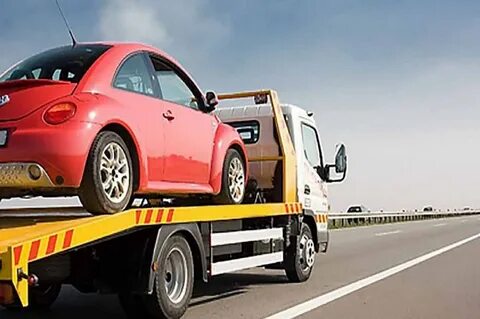
Getting stuck with a car that refuses to move can be stressful, especially when one or more wheels are locked. You may try starting the engine, releasing the handbrake, or moving the gear lever, but the vehicle stays in the same place. In such situations, professional car towing is often the safest solution.
Sometimes, a dead battery can cause an electronic parking brake to remain locked. A jump start might help if the battery is the only problem, but it cannot fix every type of wheel lock.
Knowing how professionals handle these vehicles can help you avoid unnecessary damage and make better decisions during a breakdown.
Why Do Car Wheels Become Locked?
Car wheels can become locked for several reasons. Sometimes the problem happens suddenly, while in other cases it develops slowly because of worn or damaged parts.
Understanding the cause is important before attempting to move the vehicle.
Common Reasons Behind Locked Car Wheels
Some of the most common causes include:
-
Stuck parking brake: A damaged or rusty parking brake can prevent the wheels from turning.
-
Brake problems: Worn or damaged brake parts may become stuck and stop the wheel from moving freely.
-
Transmission issues: A faulty transmission or gear selector can prevent the vehicle from shifting out of Park.
-
Dead battery: Some modern cars use electronic parking brakes that may not release when the battery loses power.
-
Accident damage: A collision can bend wheel or suspension parts, making movement difficult.
When a vehicle cannot move normally, forcing it forward can damage its tires, brakes, and other parts.
This is why car towing professionals first check the condition of the vehicle before choosing a recovery method.
Why Car Towing Locked-Wheel Vehicles Needs Extra Care
Moving a car with locked wheels is different from towing a vehicle that can roll freely.
If the wheels cannot turn, pulling the car across the ground may cause the tires to drag instead of roll.
This can damage the tires and place extra stress on the brakes and suspension.
Risks of Moving a Car With Locked Wheels
Trying to move a locked-wheel vehicle without suitable equipment can lead to several problems:
-
Flat spots or serious damage to the tires.
-
Damage to brake parts and wheel components.
-
Additional stress on the transmission.
-
Scratches or damage to the underside of the car.
-
Uncontrolled movement during recovery.
Professional car towing teams use special equipment to reduce these risks and move immobilised vehicles more safely.
Why the Right Towing Method Matters
Every vehicle is different. A small front-wheel-drive car may need a different recovery method from a large SUV or an all-wheel-drive vehicle.
The condition of the locked wheels also affects how the vehicle should be moved.
The Importance of Checking the Vehicle First
Before starting the recovery process, the towing operator may check the wheels, steering, brakes, transmission position, and surrounding space.
This inspection helps the operator decide which equipment is needed and how to avoid further damage.
How Professionals Tow Cars With Locked Wheels
Professional towing operators have several ways to move vehicles that cannot roll normally.
The right method depends on which wheels are locked, the vehicle’s design, and the available space.
1. Using a Flatbed Tow Truck
A flatbed tow truck is often a suitable option for locked-wheel vehicles.
The entire vehicle is carried on the truck’s platform, keeping all four wheels off the road during transport.
This method can help protect the transmission, brakes, and tires from additional stress.
However, a car with locked wheels still needs careful loading. The operator may use wheel skates or other equipment to prevent dragging.
2. Using Wheel Dollies
Wheel dollies are small devices placed under the wheels to help move a vehicle when its own wheels cannot turn.
These tools allow towing operators to move a car without forcing the locked tires across the ground.
They are especially useful when a vehicle is stuck in a parking space or another area with limited room.
3. Using Wheel Skates
Wheel skates are placed underneath locked tires to help the vehicle slide during controlled loading.
They are often used when moving a car onto a flatbed truck.
The correct equipment depends on the vehicle’s weight, surface conditions, and wheel position.
4. Using a Winch for Controlled Loading
A winch is a pulling device commonly fitted to tow trucks.
It helps move a vehicle onto the flatbed slowly and carefully.
For a car with locked wheels, the operator may use the winch together with wheel skates or dollies to reduce tire dragging.
Why Professional Equipment Makes a Difference
Using the correct tools helps car towing operators control the vehicle during loading and unloading.
It also reduces the chance of damaging parts that are already under stress.
Vehicle manufacturers may have their own towing instructions, so those recommendations should always be considered. <Cite ref=”turn308033search23″/>
Can a Jump Start Help a Car With Locked Wheels?
Many modern vehicles have electronic parking brakes that depend on electrical power.
If the battery is completely dead, the parking brake may remain engaged, and the vehicle may not respond to normal controls.
In some cases, a jump start can restore enough electrical power to operate the parking brake system.
However, this only works when the problem is related to low battery power and the electrical system is otherwise working correctly.
When Battery Assistance May Help
Battery assistance may be useful when:
-
The vehicle battery is weak or completely discharged.
-
The electronic parking brake is not responding because of low power.
-
The dashboard and electrical controls are not working normally.
-
A qualified technician confirms that restoring power is safe.
A jump start will not fix damaged brake parts, a seized wheel bearing, or a mechanical transmission problem.
Why You Should Not Force the Wheels to Move
If the wheels remain locked after electrical power is restored, do not try to pull or drive the vehicle by force.
Instead, arrange professional recovery so the problem can be checked without causing more damage.
What to Do When Your Car Wheels Lock
Knowing how to respond can make a difficult situation easier to handle.
Stay Calm and Check Your Surroundings
If your vehicle stops in traffic, turn on the hazard lights if they are working.
Move to a safe place away from passing vehicles whenever possible.
Do not stand behind or directly in front of a vehicle that may move unexpectedly.
Avoid Forcing the Vehicle Forward
Pressing the accelerator when the wheels cannot turn may damage the tires, brakes, or transmission.
If the car will not move normally, stop trying to drive it.
Contact a Professional Towing Service
Explain the problem clearly when requesting car towing assistance.
Tell the operator whether the front wheels, rear wheels, or all four wheels appear to be locked.
Also mention whether the vehicle is automatic, manual, electric, or all-wheel drive.
This information can help the towing provider choose suitable equipment.
Ask for Battery Assistance if Needed
If the dashboard is completely dark or the electronic parking brake does not respond, mention the possible battery problem.
The roadside technician can determine whether a jump start is appropriate or whether the car needs to be moved without using its electrical controls.
Special Care for Modern and Electric Vehicles
Modern cars often have electronic systems that control the brakes, steering, and transmission.
Some vehicles cannot be shifted into Neutral without following a special procedure.
Electric vehicles may also have specific recovery instructions that differ from those for petrol or diesel cars.
Why Manufacturer Instructions Matter
Attempting to tow an electric or all-wheel-drive vehicle with the wrong wheels on the ground may damage expensive parts.
For this reason, professional car towing services should follow the manufacturer’s approved towing method.
Never Try to Release Electronic Systems by Force
If an electronic parking brake remains locked, avoid pulling wires, removing unknown parts, or forcing the gear selector.
A trained technician can check the problem and use the correct method to prepare the vehicle for transport.
How to Prevent Wheel Locking Problems
Not every wheel lock can be prevented, but regular vehicle care can reduce the risk of unexpected problems.
Maintain Your Braking System
Have your brakes checked during regular servicing.
Damaged brake parts, rust, and worn components can lead to sticking or locking problems.
Keep the Battery Healthy
A weak battery can affect electronic controls in modern vehicles.
If your car frequently needs a jump start, have the battery and charging system inspected.
Pay Attention to Warning Signs
Unusual sounds, dragging brakes, trouble releasing the parking brake, and warning lights should not be ignored.
Getting these problems checked early may prevent a roadside breakdown.
Avoid Leaving Known Problems Unrepaired
If a wheel has started sticking or the parking brake is becoming difficult to release, arrange an inspection.
Waiting until the vehicle stops moving can lead to more expensive repairs.
Final Thoughts
A vehicle with locked wheels needs careful handling because forcing it to move can damage important parts. Professional car towing services use flatbed trucks, wheel dollies, skates, and other suitable equipment to move immobilised cars with less risk. While a jump start may help when a weak battery prevents an electronic parking brake from releasing, it cannot solve every wheel-locking problem. Understanding the warning signs, avoiding unsafe driving attempts, and getting professional help can protect your vehicle and make a stressful breakdown easier to manage.