

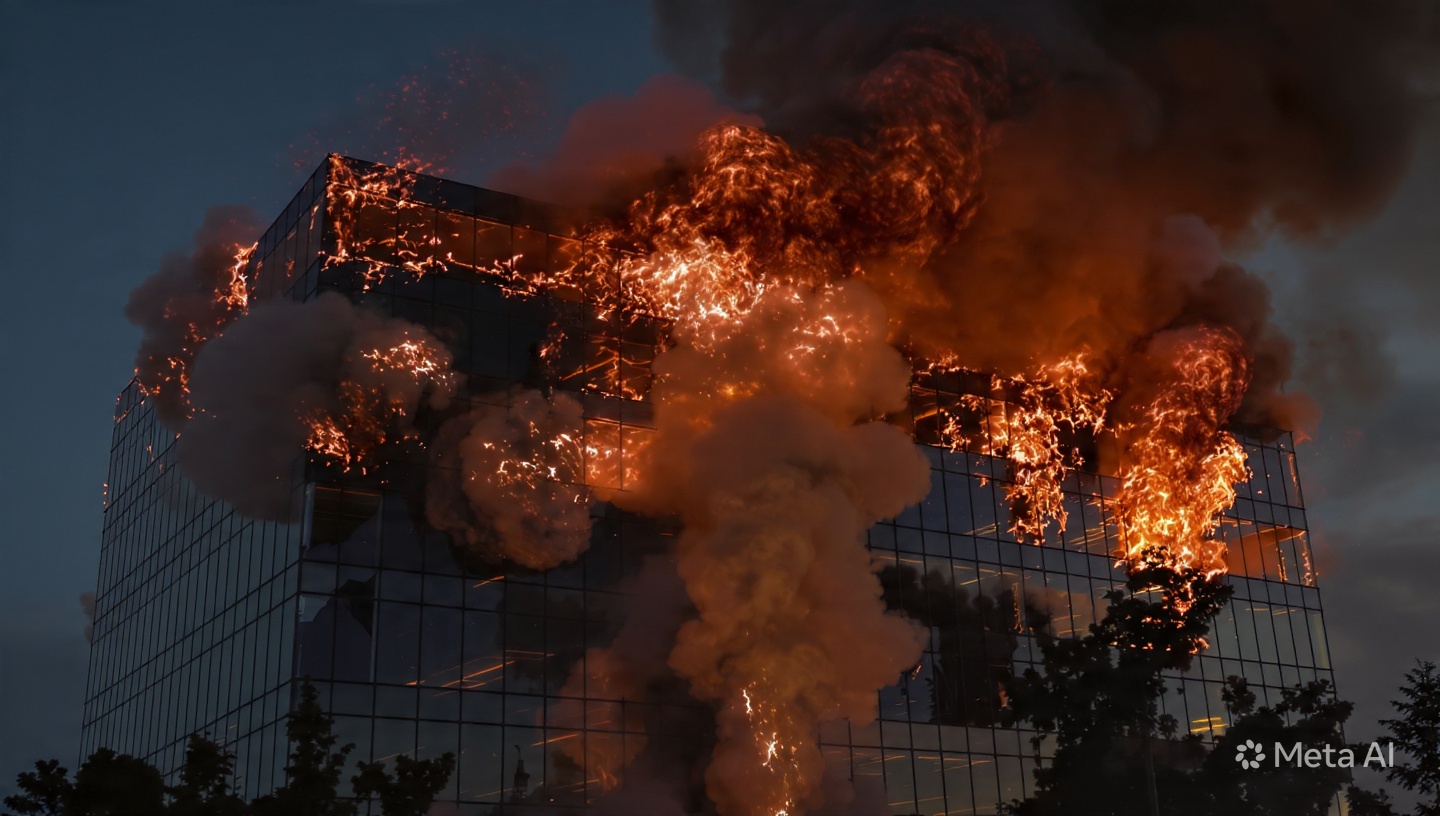
Modern buildings combine different materials, technologies, services, and occupancy needs. Protecting them requires a clear understanding of fire hazards and the measures that can reduce harm. A Certified Fire Protection Specialist credential demonstrates assessed knowledge in fire protection, while effective building safety also depends on appropriate design, professional judgement, and ongoing maintenance. Developers, facility managers, and design teams can improve safety by treating fire protection as a coordinated responsibility throughout a building’s life.
1. Establish Clear Fire Safety Objectives
A reliable fire protection strategy begins by identifying what the building needs to achieve. Objectives may include protecting occupants, limiting fire spread, supporting evacuation, preserving emergency access, and reducing damage to property.
The strategy must reflect the building’s use, size, construction, and location. Applicable codes and standards provide the framework for determining required measures. Project teams should confirm the relevant requirements rather than assuming that one approach suits every building.
For example, a residential apartment building may need protected stairs, suitable fire separations, alarm systems, and clear evacuation information. An industrial facility may require additional attention to stored materials, industrial processes, and access for emergency responders.
Establishing objectives early helps architects, engineers, contractors, and owners coordinate their decisions. It also creates a reference for evaluating later design changes.
A good strategy should identify the assumptions behind the design and explain how proposed measures support the intended safety outcomes. This makes technical decisions easier to review and maintain.
2. Choose Protection Measures That Work Together
Fire protection is most effective when individual measures support one another. Detection, alarm, suppression, compartmentation, and smoke management address different aspects of a fire emergency.
The appropriate combination depends on the building and the applicable requirements. Designers should consider how each measure performs and whether one system’s operation affects another.
For example, an automatic sprinkler system may control a developing fire, while fire-rated walls help restrict spread into neighbouring areas. An alarm warns occupants, and protected exits provide a route towards safety. These measures have different functions, so none should be assumed to replace all the others.
Coordination is especially important where services pass through fire-rated construction. Openings for cables, pipes, or ducts need suitable protection to preserve the intended performance of the assembly.
Fire safety professionals should also consider access for inspection and maintenance. Equipment that cannot be reached easily may be harder to test or repair.
The final design should be technically suitable, properly documented, and consistent with the applicable code and approval requirements.
3. Consider Building Materials and Construction Details
Construction materials influence how a fire may develop and spread. Their behaviour depends on factors such as composition, installation, exposure, and the assembly in which they are used.
Fire resistance and reaction to fire are different concepts. Fire resistance concerns an element’s ability to perform specified functions under fire exposure for a defined period. Reaction to fire concerns how a material contributes to fire development under relevant test conditions.
For example, an external wall may contain insulation, cladding, cavities, and supporting components. Assessing one product alone may not establish the performance of the complete wall system. Designers must consider the relevant assembly, test evidence, and applicable requirements.
Construction quality is equally important. A correctly specified fire door may not provide its intended performance if unsuitable hardware is installed or gaps are not addressed. Similarly, poorly installed firestopping can weaken a fire separation.
Clear specifications, suitable product documentation, and appropriate installation checks help maintain design intent. Where a material or assembly changes, the responsible professionals should review the effect before the substitution is accepted.
4. Apply Engineering Analysis to Complex Buildings
Some buildings contain features that require detailed technical assessment. Examples include large atriums, unusual floor layouts, mixed-use developments, and existing structures undergoing major refurbishment.
Where permitted by the applicable regulations, performance-based fire engineering can assess an alternative solution against defined safety objectives. The analysis may consider fire development, smoke movement, evacuation, structural response, or other relevant factors.
Imagine a public building with an open central space connecting several levels. Engineers may need to evaluate how smoke could move during a defined fire scenario and how occupants could reach protected exits. The findings can inform the design of smoke management and other protective measures.
Reliable analysis requires suitable data, defensible assumptions, and methods appropriate to the problem. Reports should describe limitations and explain how the findings support the proposed design.
Computer modelling is a tool for investigating specific questions, not a guarantee of safety. Professional interpretation and review remain necessary, particularly where the conclusions affect major design decisions or approval conditions.
5. Verify Installation and System Performance
A fire protection strategy must be implemented correctly to deliver its intended benefits. During construction, inspections and quality checks can identify discrepancies between approved documents and installed work.
The verification process should follow the project’s requirements and the scope assigned to responsible professionals. Depending on the system, activities may include checking installation details, reviewing records, witnessing tests, or confirming that identified defects have been addressed.
For example, a contractor may install a fire door that appears complete but does not close correctly. A suitable inspection can identify the problem so that the hardware or installation is corrected before the defect affects building safety.
Commissioning records and inspection reports should be retained where required. They help owners understand what was tested, what issues were identified, and which actions remain outstanding.
Vortex Fire Protection can be explored through Vortex Fire’s official website, which describes fire safety engineering, code consultancy, and third-party inspection services. Clients should confirm the specific systems, locations, and activities included in any proposed inspection appointment.
Verification should be based on evidence rather than assumptions about appearance alone.
6. Keep Fire Safety Effective After Occupancy
Fire protection continues to require attention after a building opens. Equipment can deteriorate, escape routes can become obstructed, and changes in building use may affect the original safety arrangements.
Owners and facility managers should establish maintenance procedures that reflect applicable regulations, system requirements, and manufacturer instructions. Records should document inspections, testing, faults, repairs, and relevant changes.
For example, a commercial tenant may add storage shelves that narrow an escape route or obstruct access to fire protection equipment. Regular checks can identify the problem, while clear workplace procedures help prevent it from returning.
Emergency plans should explain alarm response, evacuation routes, assembly arrangements, and the responsibilities of relevant personnel. Staff training and suitable drills can help reveal communication gaps.
When renovations or occupancy changes occur, the building’s fire safety strategy may need review. This helps ensure that the protection measures remain appropriate for the building as it is actually used.
Ongoing management turns fire protection from a design document into a practical part of everyday operations.
7. Conclusion
A reliable fire protection strategy combines clear safety objectives, suitable materials, coordinated systems, engineering assessment, installation checks, and ongoing maintenance. A Certified Fire Protection Specialist credential can demonstrate relevant knowledge, but effective results depend on competent implementation and project-specific decisions. Vortex Fire Protection provides a starting point for exploring professional fire safety engineering and code consultancy through its official website. Building owners and project teams should confirm applicable requirements, document responsibilities, and review safety arrangements when conditions change.
FAQs
What is a fire protection strategy?
It is a coordinated approach explaining the fire safety objectives, required measures, relevant design criteria, and management considerations for a building.
Why do construction details matter?
Incorrect installation or unprotected openings can weaken the performance of fire-rated assemblies and protection systems.
When is performance-based design useful?
It may be appropriate for complex or unusual designs when an alternative approach is permitted and supported by suitable engineering evidence.
Who maintains fire protection systems after occupancy?
Building owners and operators are generally responsible for arranging maintenance and meeting the duties that apply to their premises.
Does certification guarantee professional suitability?
No. Clients should also assess relevant experience, technical competence, professional standing, and the scope of the proposed work.