

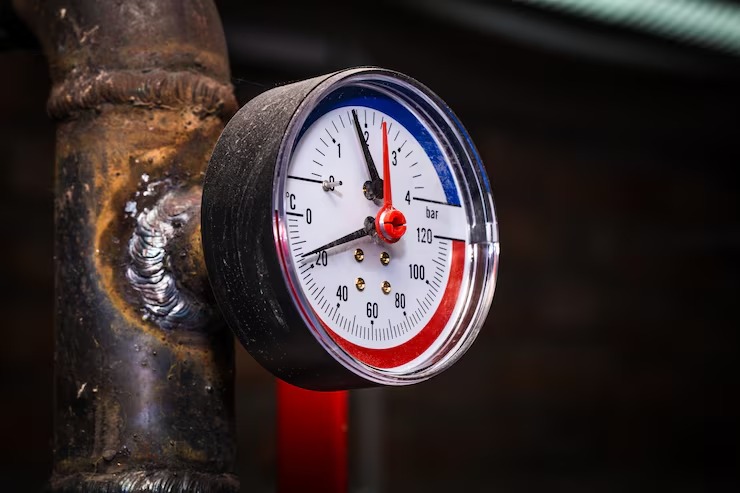
If you manufacture, package, test, or distribute products, every measurement you rely on affects quality and compliance. Even a small calibration error can create inaccurate readings that spread throughout your production process. Those errors may lead to defective products reaching customers, increasing the risk of complaints, financial losses, and even product recalls.
By maintaining accurate measurement equipment and following a consistent calibration program, you can protect your operations, strengthen customer confidence, and reduce unnecessary business risks.
Why Calibration Accuracy Matters
Your equipment measures weight, pressure, temperature, torque, dimensions, or other critical values that determine whether a product meets specifications. If those instruments drift outside acceptable tolerances, every decision based on those measurements becomes questionable.
Calibration verifies that your equipment continues to produce accurate and repeatable results. Without routine calibration, small inaccuracies can gradually become major operational problems.
When your measurements are correct, you can:
- Produce consistent products
- Meet regulatory requirements
- Improve customer satisfaction
- Reduce production waste
- Prevent expensive rework
- Maintain traceable quality records
These advantages help protect your reputation while improving overall efficiency.
How Calibration Errors Can Lead to Product Recalls
A product recall rarely happens because of one mistake alone. Instead, multiple small issues often combine until defective products reach the marketplace.
Calibration errors frequently contribute to those failures.
Incorrect Product Weight
If weighing equipment is inaccurate, products may contain too much or too little material.
This creates several risks:
- Incorrect product labeling
- Regulatory violations
- Customer complaints
- Financial losses
- Product safety concerns
Routine calibration helps ensure each product contains exactly what customers expect.
Inconsistent Manufacturing Processes
Production equipment depends on precise measurements throughout manufacturing.
An improperly calibrated instrument can cause:
- Poor mixing ratios
- Incorrect filling levels
- Uneven production batches
- Variable product quality
- Increased rejection rates
These inconsistencies become more expensive as production volumes increase.
Faulty Quality Control Inspections
Your quality control department relies on calibrated inspection equipment.
If inspection tools are inaccurate, defective products may incorrectly pass inspection while acceptable products may fail unnecessarily.
This affects:
- Product reliability
- Customer confidence
- Internal efficiency
- Compliance documentation
Reliable calibration supports dependable inspection results.
Regulatory Compliance Risks
Many industries operate under strict quality regulations.
Calibration records often demonstrate compliance during audits.
Missing or inaccurate calibration documentation can create serious compliance issues, including:
- Failed audits
- Warning letters
- Production delays
- Regulatory investigations
- Mandatory corrective actions
Maintaining documented calibration schedules helps reduce these risks.
Industries Most Affected by Calibration Errors
Although calibration benefits every industry, some sectors face greater consequences from measurement inaccuracies.
Food Manufacturing
Incorrect measurements may result in:
- Improper ingredient quantities
- Incorrect nutritional labels
- Packaging inconsistencies
- Contamination risks
These problems may trigger recalls that affect thousands of products.
Pharmaceutical Manufacturing
Medicine requires exceptional measurement accuracy.
Calibration failures may affect:
- Dosage accuracy
- Product consistency
- Sterility verification
- Manufacturing validation
Patient safety depends on reliable measurement systems.
Aerospace
Aircraft components require extremely precise measurements.
Even minor calibration errors may affect:
- Component fit
- Structural integrity
- Performance testing
- Safety compliance
Precision is essential throughout production.
Automotive Manufacturing
Vehicle components must meet strict tolerances.
Calibration errors may create defects involving:
- Brake systems
- Engine components
- Electronic assemblies
- Safety features
Large recalls often originate from manufacturing inaccuracies.
Chemical Processing
Chemical production depends on accurate measurement of:
- Pressure
- Temperature
- Weight
- Flow rates
- Mixing ratios
Reliable calibration helps maintain consistent product quality and safe operations.
Warning Signs Your Equipment Needs Calibration
You should never wait until equipment completely fails before scheduling calibration.
Common warning signs include:
- Inconsistent measurement results
- Unexpected production defects
- Increased customer complaints
- Frequent quality failures
- Failed internal inspections
- Equipment repairs
- Physical impacts or relocation
- Long periods without calibration
Addressing these warning signs early can prevent larger operational problems.
How Regular Calibration Reduces Recall Risk
Preventive calibration creates confidence throughout your production process.
Routine calibration helps you:
- Detect equipment drift early
- Maintain measurement accuracy
- Improve production consistency
- Reduce defective products
- Protect customer safety
- Support regulatory compliance
- Increase operational reliability
Preventive maintenance always costs less than recovering from a major recall.
Build a Strong Calibration Program
An effective calibration program involves more than checking equipment once each year.
You should establish procedures for:
Scheduled Calibration
Every instrument should follow a documented calibration schedule based on:
- Manufacturer recommendations
- Equipment usage
- Industry standards
- Historical performance
High-use equipment may require more frequent calibration.
Traceable Documentation
Maintain complete calibration records including:
- Calibration dates
- Equipment identification
- Standards used
- Measurement results
- Technician information
- Next calibration due date
Good documentation supports quality management systems and regulatory audits.
Qualified Service Providers
Working with experienced professionals ensures your equipment receives accurate calibration using certified reference standards.
Choosing a trusted Scale Calibration Houston TX service provider helps improve measurement confidence while supporting compliance across your facility.
For organizations seeking dependable measurement solutions, Industrial Scale & Measurement offers professional calibration services for industrial weighing and measurement equipment.
Employee Training Matters Too
Even perfectly calibrated equipment can produce inaccurate results if employees use it incorrectly.
Provide regular training covering:
- Proper equipment handling
- Daily inspection procedures
- Cleaning requirements
- Damage reporting
- Calibration awareness
- Documentation practices
Well-trained employees often identify potential calibration problems before they affect production.
The Financial Impact of Product Recalls
Product recalls involve much more than replacing defective products.
Additional costs often include:
- Shipping expenses
- Product disposal
- Production downtime
- Regulatory penalties
- Legal expenses
- Customer compensation
- Brand reputation damage
- Lost future sales
Investing in routine calibration is significantly less expensive than managing a recall.
Technology Improves Calibration Management
Modern calibration programs increasingly use digital tools to improve accuracy and recordkeeping.
These systems help you:
- Track calibration schedules
- Store electronic certificates
- Monitor equipment history
- Receive automatic reminders
- Generate audit reports
- Improve traceability
Digital management reduces administrative errors while improving operational efficiency.
Protect Your Reputation Through Accurate Measurement
Customers expect products to perform exactly as promised. Accurate measurements support product quality, regulatory compliance, and customer satisfaction.
A strong calibration program helps you reduce production risks while protecting your reputation and minimizing the possibility of costly recalls. Whether you operate a small manufacturing facility or a large industrial plant, routine calibration remains one of the most valuable investments you can make.
If you want expert guidance on maintaining accurate measurement systems or scheduling professional calibration services, visit the Contact Us page at to connect with experienced calibration specialists.
Frequently Asked Questions
1. Can poor calibration really cause a product recall?
Yes. Inaccurate measurements can produce defective products that fail safety, quality, or regulatory standards, increasing the likelihood of a product recall.
2. How often should industrial equipment be calibrated?
Calibration frequency depends on equipment type, usage, manufacturer recommendations, regulatory requirements, and operating conditions. High-use equipment typically requires more frequent calibration.
3. Which industries benefit most from routine calibration?
Food processing, pharmaceuticals, aerospace, automotive, chemical manufacturing, and industrial production all depend on accurate calibration to maintain quality and compliance.
4. What are common signs that equipment needs calibration?
Inconsistent readings, failed inspections, unexpected production defects, customer complaints, equipment repairs, or overdue calibration schedules indicate calibration may be necessary.
5. Why should calibration records be maintained?
Calibration records demonstrate compliance, support audits, verify measurement traceability, improve quality management, and help identify equipment performance trends over time.