

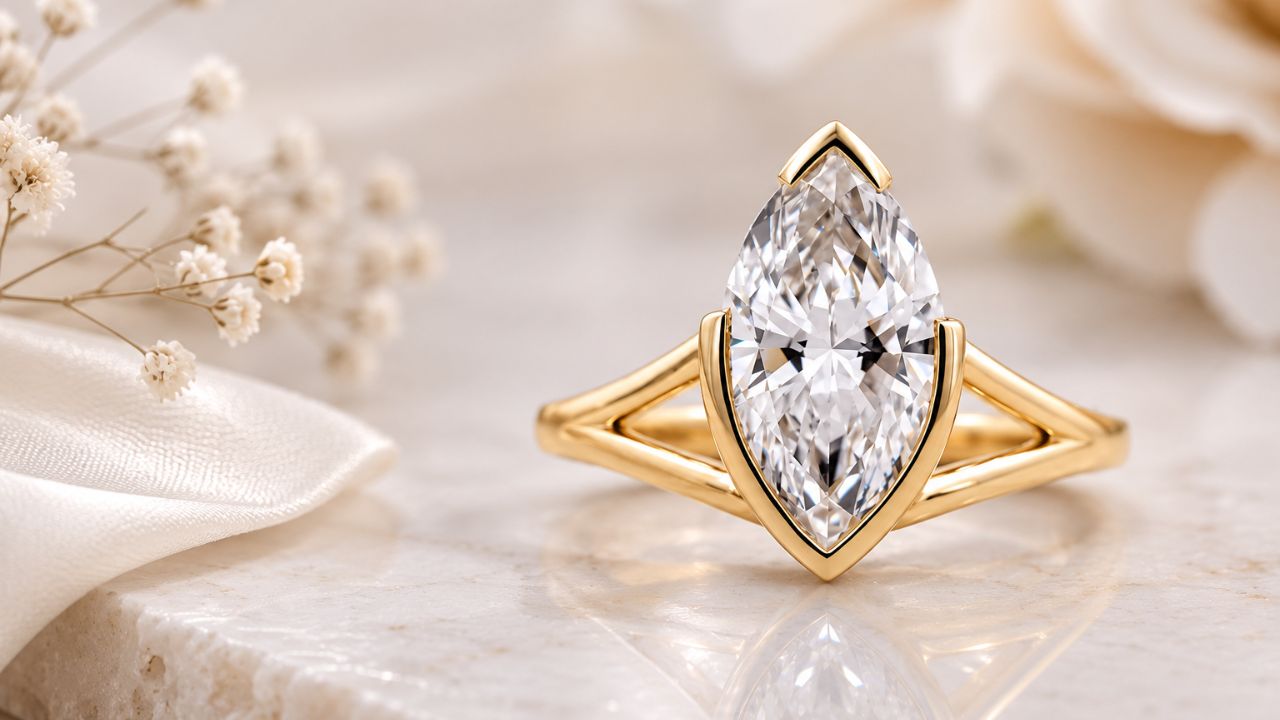
Shopping for an engagement ring is an important decision, but a limited budget does not mean you have to compromise on design or quality. With careful research, it is possible to find beautiful engagement rings under 2000 that suit different tastes and lifestyles. The key is knowing which features matter most and where your budget can make the greatest difference.
For shoppers looking for engagement rings under $2000, the selection can include different diamond shapes, settings, metal choices, and styles. Instead of focusing only on the size of the center stone, consider the overall construction of the ring. A well-made setting, attractive proportions, and a properly selected diamond can create a ring that feels special without pushing the price beyond your budget.
Set a Realistic Budget Before Shopping
Before looking at individual rings, decide how much you are comfortable spending. A $2,000 budget can cover the ring itself, but you should also consider possible costs such as resizing, taxes, shipping, or additional customization.
Having a clear spending limit makes it easier to narrow down your choices. It also prevents you from becoming focused on features that add cost without adding much value to the finished ring.
For example, someone may prefer a larger center stone, while another buyer may care more about a detailed setting. Knowing your priorities allows you to direct more of the budget toward the features that matter personally.
Choose a Diamond Shape Carefully
The diamond shape has a major influence on the appearance of an engagement ring. Popular options include round, oval, cushion, emerald, pear, marquise, and princess cuts.
Round diamonds are widely recognized and work with many settings. Oval diamonds can provide a larger-looking face-up appearance while maintaining a classic outline. Cushion cuts offer softer corners and a broader shape, while emerald cuts emphasize clarity and clean lines.
When comparing diamond engagement rings under $2000, look beyond the carat weight. Two diamonds with the same carat weight can look quite different depending on their proportions, cut quality, and shape.
A well-proportioned stone can often make a stronger visual impression than simply choosing the largest available diamond.
Consider Lab-Grown Diamonds
Lab-grown diamonds can be an attractive choice for shoppers working with a $2,000 budget. They have the same basic chemical composition and physical properties as mined diamonds, while their pricing can allow buyers to consider larger or higher-quality stones within the same spending range.
For someone searching for engagement rings for women under $2000, lab-grown diamonds can open up additional choices in diamond size and shape.
The right choice depends on personal preferences. Some buyers specifically want a mined diamond, while others appreciate having more room in their budget with a lab-grown option. Comparing both can help you understand what works best for your priorities.
Pay Attention to the Diamond Cut
Cut should be one of the main factors considered when comparing diamonds. It affects how effectively a diamond handles light and can influence its overall appearance.
A diamond with good proportions and a well-executed cut can look appealing even when its carat weight is modest. This is why buyers should not automatically select the stone with the highest carat weight.
When shopping, compare diamonds under similar lighting conditions when possible. Look at the stone from different angles and pay attention to its overall balance. Online shoppers should also review detailed product photographs, videos, certification information, and measurements before making a decision.
Select a Practical Ring Setting
The setting holds the center diamond in place and contributes significantly to the ring’s appearance. It should also match the wearer’s daily routine.
Prong settings expose more of the center stone and can create an open appearance. Bezel settings surround the diamond with metal and provide additional protection around its edges. Halo settings place smaller stones around the center, which can create a larger visual presence.
A solitaire setting is another option for buyers who prefer a simple design. Because fewer diamonds are used around the center stone, more of the budget can potentially be directed toward the main diamond.
Think about how often the ring will be worn and what type of work or activities the wearer regularly does before choosing a setting.
Pick the Right Metal
Gold and platinum are common choices for engagement rings, while gold itself comes in several colors. Yellow gold has a warm appearance, white gold offers a lighter finish, and rose gold has a pink-toned appearance.
The metal should complement both the diamond and the wearer’s personal style. It is also worth considering how the ring will be maintained over time.
If the recipient already wears a particular type of jewelry, matching the engagement ring’s metal to those existing pieces can make the new ring easier to wear with other accessories.
Compare Diamond Measurements, Not Just Carat Weight
Carat weight tells you how much a diamond weighs, but it does not describe how large the diamond appears from the top.
Measurements such as length and width can help you understand the stone’s actual face-up size. This is especially useful when comparing different diamond shapes.
For example, an oval and a round diamond with the same carat weight may have noticeably different dimensions. Looking at measurements alongside carat weight gives you a better idea of what the finished ring will look like.
This is an important step when choosing an engagement ring under 2000, because every part of the budget should contribute to the final result.
Check Certification and Product Details
Certification can provide useful information about a diamond’s characteristics. Depending on the stone, a grading report may include details about carat weight, color, clarity, measurements, and other grading information.
Before purchasing, check whether the diamond comes with a recognized grading report when applicable. Also review the ring’s metal type, stone specifications, setting details, and available sizes.
For online purchases, read the return and exchange policy carefully. Make sure you understand whether resizing is available and whether customized rings have different return conditions.
These details can be just as important as the appearance of the ring.
Look for Designs That Fit Everyday Wear
An engagement ring is usually worn frequently, so appearance should be balanced with practicality.
A low-profile setting can be convenient for someone who works with their hands. A protective bezel setting may suit someone who wants additional coverage around the stone. A classic solitaire can be easier to pair with different wedding bands.
Buyers should also think about the recipient’s personal style. Someone who prefers understated jewelry may appreciate a clean solitaire, while someone who likes more detail may prefer a halo, pavé band, or other decorative setting.
The best choice is not necessarily the most expensive ring. It is the one that fits the wearer’s preferences and daily life.
Compare Several Rings Before Buying
Avoid purchasing the first ring that catches your attention. Create a shortlist of several options and compare them side by side.
Look at:
-
Diamond shape
-
Carat weight
-
Cut quality
-
Color and clarity
-
Diamond measurements
-
Metal type
-
Setting style
-
Certification
-
Ring size availability
-
Return and resizing policies
This comparison makes it easier to identify where your money is going. You may discover that one ring offers a larger center stone while another provides a better setting or stronger overall specifications.
If you plan to buy engagement rings under 2000, spending extra time comparing options can help you make a more confident purchase.
Consider the Ring’s Long-Term Wear
Price is important, but the ring should also be suitable for regular use. Look closely at the craftsmanship, stone security, band thickness, and setting structure.
Small details can affect how comfortable and practical a ring feels. A ring that looks attractive in a product photograph may not be the right choice if the setting catches on clothing or feels uncomfortable during daily activities.
Consider whether the design will work with a future wedding band as well. Some engagement ring settings leave plenty of space for a band, while others may require a contoured or specially designed wedding ring.
Planning ahead can help avoid unnecessary changes later.
Where to Find Good Options
There are many online jewelry stores offering rings across different price ranges. When researching engagement rings for women under $2000, focus on retailers that provide clear diamond information, detailed photographs, sizing information, and transparent policies.
Antiquecut is one option for shoppers comparing diamond engagement ring designs across different budgets and styles.
It is also useful to read customer reviews and examine photographs from different angles. Reviews can provide practical information about sizing, packaging, customer service, and how a ring looks outside of professional product photography.
Do Not Ignore Personal Style
A ring should reflect the person who will wear it. Trends can provide inspiration, but personal preference should remain the main consideration.
Think about the jewelry the recipient already owns. Does she usually wear yellow gold or white metals? Does she prefer simple pieces or detailed designs? Does she favor larger center stones or more decorative bands?
Answers to these questions can narrow down the selection considerably.
A ring chosen with the recipient’s personality in mind can feel more meaningful than one selected simply because it has a particular carat weight.
Smart Shopping Can Stretch a $2,000 Budget
Finding a quality ring within a fixed budget is mostly about making thoughtful compromises. You may choose a slightly smaller diamond to get a better cut, select a lab-grown diamond for more size, or choose a simple setting that puts greater focus on the center stone.
There is no single formula for choosing the right ring. Every buyer has different priorities.
The goal is to understand the specifications, compare several choices, and decide which combination gives you the best overall fit for your budget.
Final Thoughts
A $2,000 budget can provide plenty of opportunities for finding a well-designed engagement ring. By comparing diamond shapes, cut quality, measurements, settings, metals, certification, and everyday practicality, shoppers can make better decisions without exceeding their planned spending limit.
Whether you prefer a simple solitaire, a detailed halo, a protective bezel setting, or a distinctive diamond shape, the right ring should match both your budget and the person who will wear it. Taking time to research engagement rings under 2000 can turn the shopping process into a more manageable and rewarding experience.