

entilation, and air conditioning (HVAC) systems rely on proper airflow to deliver comfortable indoor temperatures while operating efficiently. One of the most overlooked factors affecting system performance is filter pressure drop. Although air filters are designed to capture dust, pollen, and other airborne contaminants, they also create resistance to airflow. When this resistance becomes excessive, the HVAC system must work harder, resulting in reduced efficiency, higher energy bills, and increased wear on critical components.
Harga ac 1/2 pk: Understanding filter pressure drop can help homeowners, facility managers, and HVAC professionals make better maintenance decisions, extend equipment lifespan, and reduce operating costs.
What Is Filter Pressure Drop?
Filter pressure drop refers to the difference in air pressure measured before and after air passes through an HVAC filter. Every air filter creates some resistance because air must travel through the filter media. The denser the filter material or the dirtier the filter becomes, the greater the pressure drop.
Pressure drop is typically measured in inches of water column (in. w.c.) or Pascals (Pa). HVAC manufacturers specify the maximum allowable pressure drop for their systems to ensure proper airflow and efficient operation.
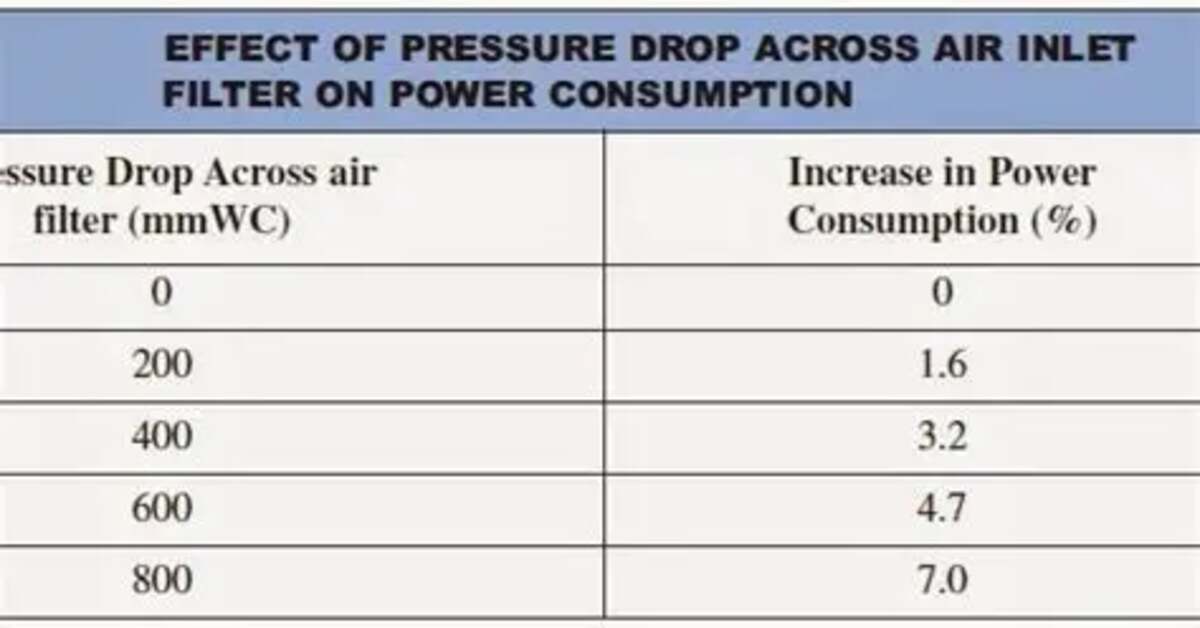
A clean filter naturally has a lower pressure drop than a dirty one. As dust and debris accumulate, airflow becomes increasingly restricted, forcing the blower fan to consume more energy.
Why Pressure Drop Matters
Airflow is one of the most important elements of HVAC performance. A system is designed to move a specific volume of air through ductwork, filters, evaporator coils, and supply registers.
When filter pressure drop becomes too high, several problems may occur:
- Reduced airflow throughout the building
- Uneven heating and cooling
- Longer equipment operating cycles
- Increased blower motor workload
- Higher electricity consumption
- Reduced indoor comfort
- Greater equipment wear
Even if the HVAC unit appears to be functioning normally, excessive pressure drop can silently reduce efficiency over time.
The Relationship Between Filter Efficiency and Airflow
Many people assume that installing the highest-efficiency filter automatically improves HVAC performance. While high-MERV (Minimum Efficiency Reporting Value) filters capture smaller particles, they may also create greater airflow resistance if the HVAC system is not designed for them.
For example:
- Low-MERV filters provide lower resistance but capture fewer fine particles.
- Medium-MERV filters offer a balance between airflow and filtration.
- High-MERV filters provide excellent filtration but require stronger airflow capacity.
Choosing the wrong filter can unintentionally increase pressure drop beyond the system’s design limits.
The ideal filter balances indoor air quality with acceptable airflow resistance.
How Dirty Filters Increase Energy Costs
As filters collect dust, pet hair, pollen, and other contaminants, airflow gradually decreases. To compensate, the blower motor must operate longer or at a higher speed to move the required amount of air.
This increased workload leads directly to higher energy consumption.
Several studies have shown that restricted airflow can increase HVAC energy use by several percent or more, depending on system design and filter condition. Over an entire cooling or heating season, those additional operating costs can become significant.
Dirty filters may also cause:
- Reduced cooling capacity
- Less effective heating
- Lower humidity control
- Longer compressor run times
All of these factors contribute to higher monthly utility bills.
Impact on HVAC Components
High filter pressure drop affects nearly every major HVAC component.
Blower Motor
The blower motor experiences increased resistance when airflow is restricted. Over time, this extra workload may shorten motor life and increase maintenance costs.
Evaporator Coil
Insufficient airflow across the evaporator coil may cause the coil temperature to drop below freezing. Ice formation restricts airflow even further and may eventually stop cooling completely.
Compressor
Poor airflow forces the compressor to operate longer to achieve the desired indoor temperature. Extended run times increase energy consumption and accelerate wear.
Heat Exchanger
During heating season, reduced airflow can cause excessive temperatures inside the furnace, placing additional stress on the heat exchanger.
Common Causes of Excessive Pressure Drop
Several conditions contribute to high filter pressure drop.
Dirty Air Filters
This is by far the most common cause. Filters should be inspected regularly and replaced according to manufacturer recommendations.
Incorrect Filter Selection
Installing filters with excessive resistance for the HVAC system can reduce airflow even when the filter is clean.
Undersized Filters
Smaller filters force all airflow through a limited surface area, increasing resistance.
Blocked Return Air Vents
Furniture, curtains, or debris covering return vents reduce available airflow and increase system pressure.
Dirty Evaporator Coils
A clogged evaporator coil adds additional resistance beyond the air filter, compounding airflow problems.
Poor Duct Design
Undersized or damaged ductwork increases total external static pressure, making pressure drop problems even worse.
Signs of High Filter Pressure Drop
Homeowners often notice symptoms before realizing the air filter is the cause.
Common warning signs include:
- Weak airflow from vents
- Hot or cold rooms
- Rising utility bills
- HVAC system running constantly
- Frozen indoor coil
- Increased indoor humidity
- Frequent equipment cycling
- Excessive blower noise
Ignoring these symptoms may eventually result in expensive repairs.
Best Practices for Reducing Pressure Drop
Maintaining proper airflow does not require complicated procedures. A few preventive steps can significantly improve HVAC efficiency.
Replace Filters Regularly
Most residential filters should be checked every one to three months, although homes with pets or high dust levels may require more frequent replacement.
Use the Correct Filter Rating
Select filters recommended by the HVAC manufacturer instead of automatically choosing the highest MERV rating available.
Schedule Routine Maintenance
Professional HVAC inspections include airflow testing, static pressure measurements, blower inspection, and coil cleaning.
Keep Return Vents Clear
Ensure furniture, rugs, or decorative items do not block return air openings.
Clean Ductwork When Necessary
Excessive dust buildup inside ducts can contribute to airflow restrictions.
Monitor System Performance
Commercial facilities often install pressure gauges across filters to monitor pressure drop and determine the optimal replacement schedule.
Balancing Air Quality and Energy Efficiency
Indoor air quality remains extremely important, especially in homes with allergy sufferers, pets, or occupants with respiratory conditions. However, maximizing filtration should never come at the expense of system performance.
Modern HVAC systems achieve the best results when airflow, filtration efficiency, and equipment capacity are properly balanced.
Rather than simply choosing the densest filter available, building owners should consider:
- HVAC manufacturer recommendations
- System airflow requirements
- Indoor air quality goals
- Maintenance schedule
- Energy efficiency priorities
This balanced approach provides cleaner indoor air while protecting HVAC equipment from unnecessary strain.
Conclusion
Filter pressure drop is a small measurement with a major impact on HVAC performance. Excessive airflow resistance forces equipment to work harder, increases energy consumption, reduces comfort, and shortens the lifespan of essential system components. Whether caused by dirty filters, incorrect filter selection, or airflow restrictions elsewhere in the system, high pressure drop should never be ignored.
Regular filter replacement, proper maintenance, and selecting the appropriate filter for your HVAC system can significantly improve efficiency while lowering operating costs. By understanding how filter pressure drop affects airflow, homeowners and facility managers can keep their HVAC systems running reliably, maintain healthier indoor air, and reduce long-term energy expenses.