

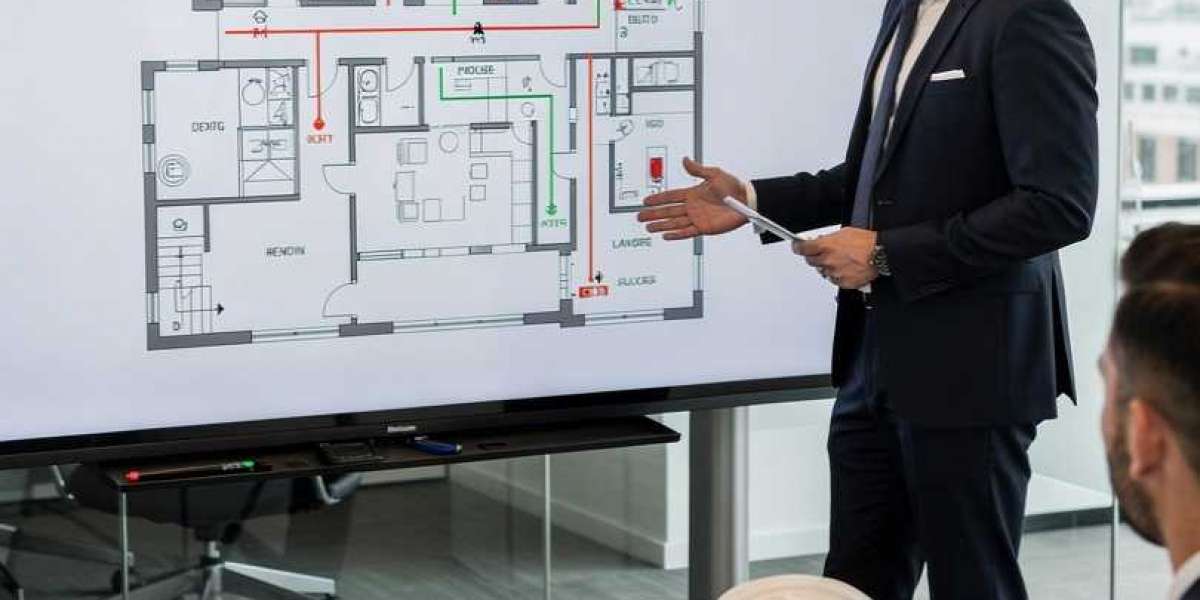
A strong fire safety strategy depends on sound engineering judgment, practical experience, and clear responsibility. A chartered professional engineer represents a high level of demonstrated technical competence, ethical practice, and professional accountability. In Australia, CPEng status is associated with rigorous competency assessment and ongoing professional development. Vortex Fire explains that its senior engineers include professionals chartered in Fire Safety Engineering. Their areas of expertise include fire dynamics, smoke behaviour, human behaviour, evacuation science, performance-based fire engineering, fire protection systems, building codes, and fire risk assessment.
Why Professional Credentials Matter
Fire engineering decisions can influence building design, approval pathways, construction methods, evacuation arrangements, and occupant safety. For this reason, professional credentials should be considered alongside practical project experience and technical capability. A chartered engineer can provide accountable leadership, peer review, technical assurance, and guidance on complex fire engineering matters.
Vortex Fire states that its CPEng-recognised engineers support high-risk and complex projects through senior peer review, performance-based analysis, modelling, coordination with authorities, and technical direction. The company also notes that its Chartered engineers are listed on the National Engineering Register through Engineers Australia. These professional registers provide an additional source of public assurance regarding professional standing and competency.
It also encourages transparent decision-making and a clear focus on protecting life, property, and the public interest.
The Role of Fire Safety Engineering
Modern buildings can include complex layouts, large occupant loads, unusual architectural features, mixed uses, and challenging evacuation conditions. Fire safety engineering brings these factors together to develop practical risk controls.
A specialist engineer may assess fire and smoke behaviour, evacuation time, fire growth, structural performance, detection systems, suppression systems, smoke control, and compartmentation. Performance-based design can be particularly useful when a proposed solution does not fit neatly within standard prescriptive provisions.
Fire protection measures should work as a connected system rather than as isolated components. Early engineering involvement can help identify conflicts before construction and support solutions that are both safe and practical.
Building an Effective Emergency Response Plan
An emergency response plan should give occupants clear instructions about what to do when a fire, gas leak, natural disaster, or other serious threat occurs. Complex buildings may require documented procedures for emergency reporting, evacuation, communication, staff responsibilities, assistance for people with disabilities, and fire drills.
Vortex Fire develops project-specific emergency response and evacuation plans in accordance with applicable codes and standards. Its service information highlights evacuation routes, assembly points, designated emergency roles, communication procedures, assistance for people with mobility challenges, and scheduled drills.
A fire emergency evacuation plan should be easy to understand and suitable for the actual building. It should identify primary and alternative escape routes, safe assembly areas, alarm and communication arrangements, and responsibilities for wardens or emergency coordinators. The plan should also consider visitors, contractors, children, older occupants, and people who may need additional assistance.
Testing, Training, and Occupant Readiness
A written plan is only effective when people understand it and can follow it under pressure. Regular fire drills provide an opportunity to test evacuation routes, communication systems, staff responsibilities, assembly procedures, and response times.
Staff may need instruction on raising an alarm, contacting emergency services, guiding occupants, assisting vulnerable people, controlling access, and reporting to emergency coordinators. Vortex Fire notes that regularly tested response strategies can reduce injuries and save lives. This highlights an important E-E-A-T principle: credible safety guidance should connect professional knowledge with practical implementation. Experience, evidence, professional accountability, and continuous improvement all strengthen the reliability of a fire safety program.
Integrating Engineering With Compliance
Fire safety planning should be connected to the building’s wider compliance framework. Applicable building codes, fire regulations, standards, approved fire strategies, occupancy characteristics, and site conditions all influence the final approach.
Professional engineering review can help project teams understand these requirements and document the technical reasoning behind important decisions. Where authorities or reviewing bodies require supporting evidence, a competent engineer can help prepare defensible analysis and coordinate responses.
The same principle applies to evacuation planning. Routes shown on drawings must remain usable, exits must be appropriately identified, emergency procedures must reflect actual building conditions, and staff responsibilities should be practical. Plans should be reviewed when building layouts, occupancy, operations, or emergency risks change.
Conclusion
A safe building requires more than equipment and compliance paperwork. It requires competent engineering, clear responsibility, effective fire protection, realistic evacuation procedures, training, testing, and continuous review through professional review. Choosing a chartered engineer can provide clients with confidence that complex fire safety decisions are supported by recognised competence and professional accountability.
A fire emergency evacuation plan can give occupants clear instructions, define emergency responsibilities, support people who need assistance, and provide a practical framework for drills and emergency response. Vortex Fire combines specialist fire safety engineering knowledge with project-specific emergency planning to support safer and more resilient buildings.
FAQs
What does CPEng mean?
CPEng is the designation for a Chartered Professional Engineer. It recognises engineers who have demonstrated professional competence, engineering judgment, ethical practice, and commitment to continuing development.
Why is chartered status important for fire engineering?
It provides an independently assessed professional credential and demonstrates that an engineer can take responsibility for complex engineering work and professional decisions.
What should an emergency evacuation plan include?
It should cover evacuation routes, assembly points, communication procedures, staff responsibilities, assistance for people with disabilities, emergency reporting, and fire drills.
Why are fire drills necessary?
Drills test whether occupants and staff understand procedures and whether routes, communication, responsibilities, and response times work effectively.
When should an evacuation plan be reviewed?
It should be reviewed after significant building, occupancy, operational, staffing, or emergency management changes, and periodically to maintain readiness.