

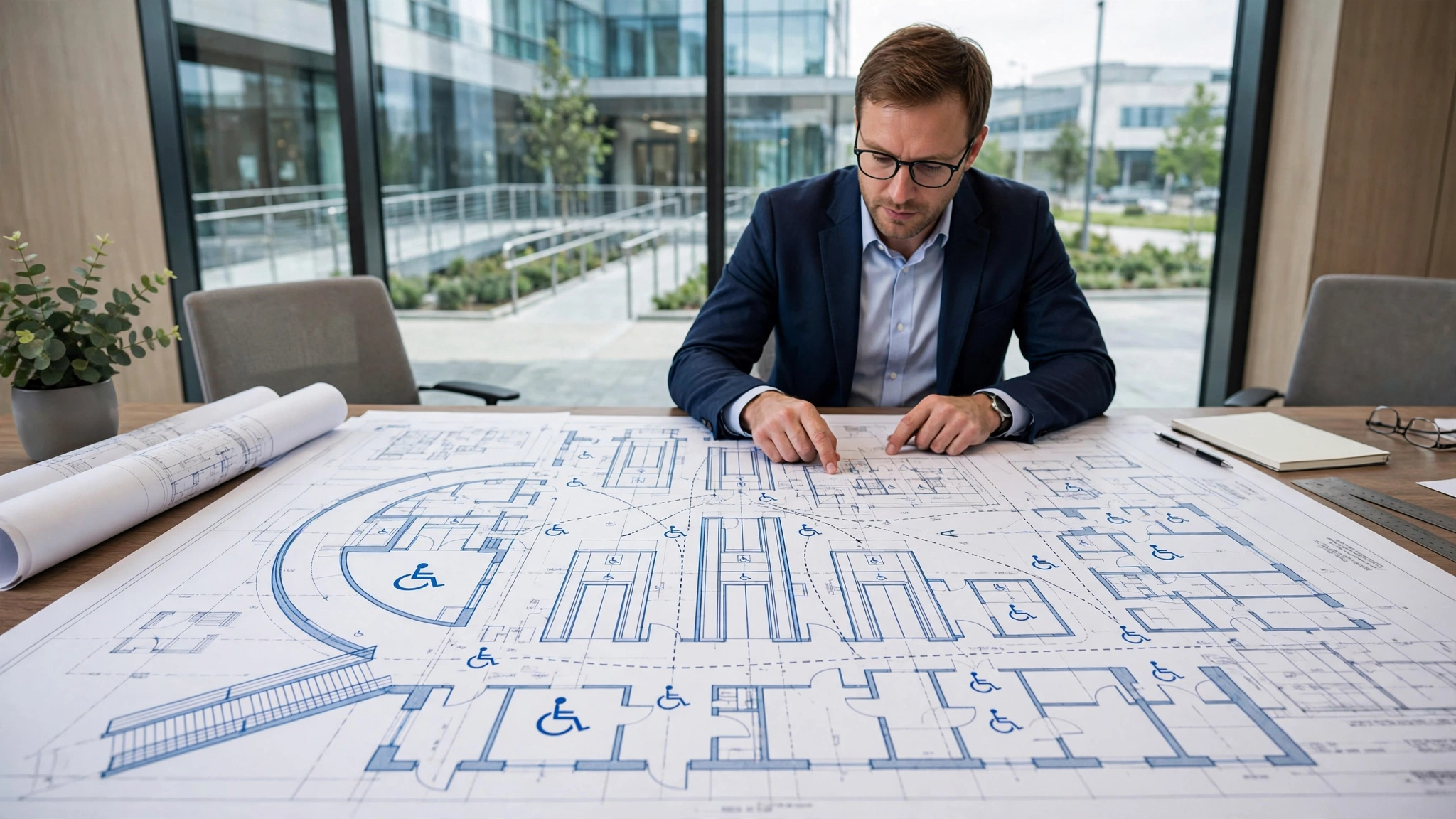
Fire safety regulations play an important role in protecting buildings, occupants, and property from potential emergencies. As building designs become more complex, regulatory requirements must also address modern construction methods and practical engineering challenges. The UAE Fire and Life Safety Code of Practice provides an important foundation for fire protection and life safety requirements. In March 2026, the Abu Dhabi Civil Defence Authority introduced 54 local amendments to the 2018 edition, providing greater clarity in several technical areas. Understanding these developments helps developers, architects, and engineers make informed decisions when preparing building designs and compliance documentation for projects in Abu Dhabi.
1. Why the 2026 Fire Safety Amendments Matter
Regulatory amendments can influence how building professionals approach fire protection, architectural planning, and engineering design. The Abu Dhabi amendments formalise several provisions that were previously handled through individual project assessments.
This development provides greater consistency when evaluating building designs and preparing technical submissions. It also introduces practical flexibility in selected areas while maintaining important fire safety objectives.
The amendments cover several technical subjects, including:
-
Fire separation and compartmentation.
-
Passive fire protection.
-
Sprinkler and suppression systems.
-
Fire pumps and hydrant arrangements.
-
Smoke control and ventilation.
-
Fire alarm systems.
-
Building classification and construction types.
For example, a developer planning an industrial facility can benefit from clearer guidance when evaluating fire separation and firefighting arrangements. Better understanding of the applicable provisions can reduce unnecessary design changes and improve coordination between project stakeholders.
2. Understanding Changes to Fire Separation and Compartmentation
Fire compartmentation helps restrict fire and smoke movement between different building areas. It uses fire-resistant construction elements to provide separation and protect important escape routes.
The 2026 Abu Dhabi amendments introduce several clarifications affecting fire barriers and separation arrangements.
One notable change removes the previous requirement for full-height warehouse separation extending 76 centimetres above roof level. The amendments also introduce guidance recommending fire barrier performance testing where architectural projections are absent.
These changes demonstrate the importance of reviewing individual building conditions rather than automatically repeating older design approaches.
Consider an industrial warehouse with adjoining storage areas. Engineers must evaluate the building arrangement, fire protection provisions, and applicable separation requirements before selecting an appropriate solution.
Correct compartmentation remains essential because poorly designed or installed fire barriers can allow fire to spread beyond its intended compartment.
3. Changes Affecting Fire Suppression and Protection Systems
Fire suppression systems help control developing incidents and reduce potential damage. Their design depends on building classification, occupancy, fire hazards, and applicable technical requirements.
The Abu Dhabi amendments introduce clarifications affecting sprinkler protection and other firefighting arrangements.
For example, the balcony sprinkler requirement has been removed under the relevant amended provisions. The amendments also clarify certain requirements for electrical rooms and industrial hydrant systems.
For panel-only electrical rooms, clean agent systems are no longer required under the stated amended conditions where proper fire stopping is provided.
Industrial developments may also benefit from additional flexibility where public hydrants are available within 100 metres, subject to the applicable conditions.
These changes should not be interpreted as permission to remove protection systems without assessment. Engineers must review the exact project circumstances and confirm the relevant requirements before changing approved designs.
4. Smoke Management and Building Classification
Smoke control is a major part of building fire safety because smoke can reduce visibility and create dangerous conditions during evacuation.
The amendments clarify certain requirements affecting smoke barriers and building classification.
One important provision removes the fire rating requirement for smoke barriers where buildings are fully sprinkler protected, subject to the amended conditions.
The amendments also revise the measurement of building height. Height is now measured to the highest occupied floor level, aligning the approach with relevant NFPA guidance.
This clarification can influence building classification and the evaluation of certain fire protection requirements.
For example, when assessing a high-rise development, engineers should verify the highest occupied floor level and examine how the revised definition affects the building’s applicable design criteria.
Accurate classification is essential because fire protection requirements can differ according to building characteristics.
5. Special Requirements for Different Building Types
Not all buildings have the same fire risks or operational requirements. Industrial facilities, residential villas, mosques, and special occupancies may require different design considerations.
The amendments introduce tailored provisions for these building categories to improve practical application.
For example, industrial facilities may contain machinery, stored materials, and specialised equipment that influence fire protection decisions. Residential villas have different occupancy patterns and building layouts.
Mosques and assembly spaces also require consideration of occupant numbers, exit arrangements, and emergency movement.
Project teams should evaluate each building according to its intended use rather than applying identical solutions to every development.
This approach helps create fire strategies that reflect actual building conditions while maintaining regulatory compliance.
6. Improving Project Approvals Through Early Technical Reviews
Understanding regulatory changes during the initial design stage can reduce delays and avoid unnecessary construction modifications.
A technical review examines architectural drawings, building classification, fire protection layouts, and relevant code provisions.
Important review activities include:
-
Checking occupancy and building classification.
-
Evaluating fire separation arrangements.
-
Reviewing suppression system requirements.
-
Assessing smoke control provisions.
-
Examining firefighting access.
-
Coordinating technical submissions.
-
Identifying possible compliance gaps.
For example, a proposed change to an electrical room’s protection arrangement should be reviewed against the exact amended conditions. The project team should document its technical reasoning and confirm that all relevant requirements are satisfied.
Early reviews also improve communication between architects, engineers, contractors, and authorities.
7. Applying Amendments Throughout the Building Lifecycle
Fire safety compliance does not end when a project receives approval. Construction quality, inspection, maintenance, and building management all influence long-term safety.
Design teams should ensure that approved fire protection details are correctly reflected in construction documents.
Contractors must install fire-rated assemblies, service penetrations, and protection systems according to approved specifications.
After occupancy, building owners should maintain alarms, sprinklers, fire doors, smoke control systems, and other essential equipment.
Maintenance records help demonstrate that identified defects have been addressed and that safety arrangements remain effective.
Conclusion
The 2026 Abu Dhabi amendments provide greater clarity and practical flexibility across several important fire protection areas. Developers and engineering teams should review these provisions carefully before making design decisions or modifying existing compliance strategies. An experienced fire code consultant can help interpret relevant requirements, while a qualified fire code consultant can support technical reviews, design coordination, and authority approval processes. This professional approach helps deliver practical fire safety solutions without overlooking essential protection objectives.
FAQs
When were the Abu Dhabi fire safety amendments introduced?
The Abu Dhabi Civil Defence Authority officially released the local amendments on 12 March 2026.
How many amendments were introduced?
The update contains 54 formalised amendments to the 2018 edition.
Do the amendments apply throughout the UAE?
These particular local amendments were issued for projects within the Emirate of Abu Dhabi. Other emirates may have their own authority requirements.
What areas of fire safety are affected?
The amendments address compartmentation, fire barriers, suppression systems, smoke control, hydrants, building classification, and other technical provisions.
Should existing building designs be reviewed?
Yes. Project teams should assess whether relevant amendments affect their designs, approvals, or proposed modifications.