

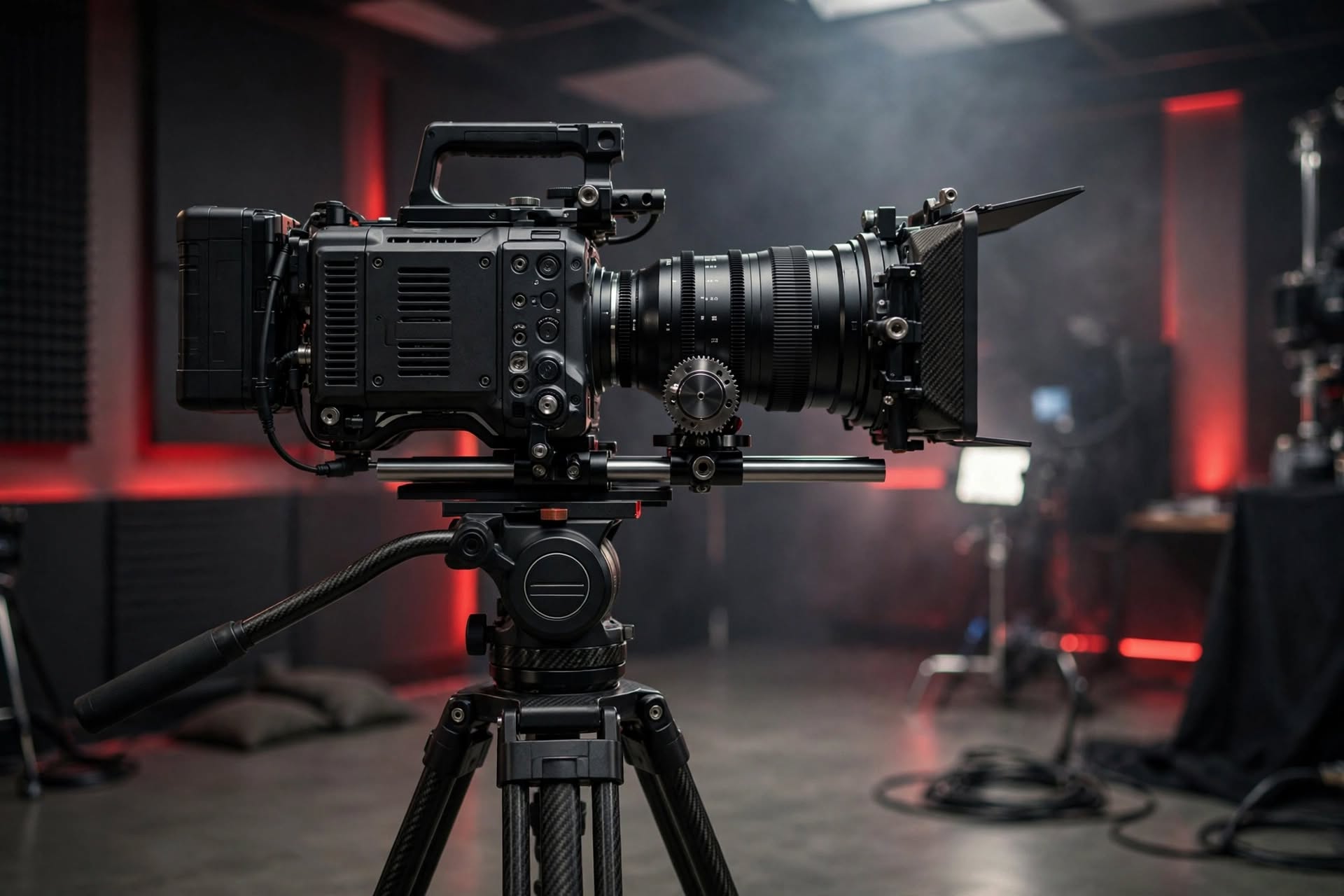
Trust plays an important role in how customers choose businesses, especially when several companies offer similar products or services. A well-produced corporate film can introduce an organisation, explain its values and show the people behind its operations. A professional video production agency dubai can help businesses develop visual stories that communicate their identity in a clear and engaging way. However, creating a trustworthy corporate video requires more than showing an office or presenting company information. It involves understanding the audience, selecting meaningful messages and presenting genuine business activities through carefully planned visuals. With the right preparation, video content can support brand awareness, improve communication and help potential customers understand what makes an organisation different.
Defining the Message Before Starting Production
Every successful corporate video begins with a clear communication objective. Businesses should first decide what viewers need to understand after watching the film. Some organisations want to introduce their history, while others need to explain their services, demonstrate expertise or attract potential employees.
Trying to communicate too many messages in one video can make the content confusing. It is usually better to identify one main objective and build the story around it. For example, a company introducing a new service can explain the customer problem, describe its approach and demonstrate the value it provides.
The target audience should also influence the message. Investors may want information about business direction and capabilities, whereas customers may be more interested in service quality and reliability. Employees may respond better to stories about company culture and workplace values.
A written creative brief helps organise these decisions. It should describe the audience, main message, preferred tone, video length, distribution channels and expected results. This document gives the production team a clear starting point and reduces misunderstandings during the project.
Building an Authentic Corporate Story
A corporate video becomes more convincing when it presents real people, processes and experiences. Businesses should avoid making unsupported claims or using exaggerated statements that cannot be demonstrated. Instead, they can show how their teams work, how services are delivered and how customers benefit from their solutions.
Employee interviews can add a human element to company communication. Team members can explain their responsibilities, describe workplace practices and share useful experiences. These interviews should feel natural rather than overly scripted. Preparing questions in advance helps participants communicate confidently without making their answers sound artificial.
Customer testimonials can provide another perspective, provided the statements are genuine and approved for publication. A short explanation of a real customer experience may help viewers understand how a product or service works in practice.
Visual storytelling should support the spoken message. Footage of meetings, production activities, customer interactions and everyday operations can provide context. The strongest scenes are those that demonstrate the organisation’s actual work rather than simply presenting decorative office shots.
Preparing Locations, People and Production Resources
Pre-production is essential for keeping corporate filming organised. Before the shoot, the production team should identify suitable locations, prepare a filming schedule and confirm which employees or representatives will appear on camera.
Location selection affects the overall appearance of the film. A meeting room may work well for interviews, while a warehouse, office floor or production facility can demonstrate daily operations. Each location should be checked for lighting, background noise, access and visual distractions.
Participants should receive clear information about the filming process. They need to know when to arrive, what topics may be discussed and whether any special clothing or preparation is required. Businesses should also obtain appropriate filming permissions and releases where necessary.
A production schedule should allow enough time for interviews, supporting footage and unexpected delays. It should include contact details, scene requirements and responsibilities. Proper preparation helps the crew capture the required material without interrupting normal business activities more than necessary.
Using Cinematography to Communicate Professionalism
The visual quality of a corporate film influences how viewers perceive the organisation. Camera framing, lighting, movement and composition should create a consistent presentation that matches the company’s identity.
Interview shots should be properly framed, with enough space around the subject and a background that supports the setting. Soft, controlled lighting can help people appear natural on camera. The camera operator should also consider eye direction and camera height to maintain comfortable viewing.
Supporting footage, often called B-roll, adds context to interviews. It may include employees working, equipment operating, customer interactions or products being prepared. These shots help explain what speakers are describing and prevent the film from becoming a sequence of talking heads.
Sound quality deserves equal attention. Clear dialogue recording makes information easier to understand, while suitable background music can support the atmosphere. Music should never overpower important speech. A consistent visual and audio approach helps the finished film feel organised and credible.
Editing and Distributing Corporate Videos Effectively
Post-production brings all recorded material together into a clear story. Editors review footage, select useful statements and arrange scenes according to the creative brief. The final sequence should maintain a logical flow and avoid unnecessary repetition.
Colour correction creates visual consistency between shots recorded in different conditions. Sound editing improves dialogue clarity, balances music and removes distracting noise. Graphics can introduce speakers, display company information or explain important processes. Subtitles are also useful for accessibility and viewers watching without sound.
Businesses should plan distribution before approving the final version. A full corporate film may be suitable for the company website, presentations and sales meetings. Shorter edits can introduce key messages on social platforms. Different aspect ratios and export settings may be required for each channel.
A reliable film production company dubai can coordinate filming and post-production while maintaining the creative direction established during planning. Companies should review the finished video for factual accuracy, branding, permissions and technical quality before publishing it.
Conclusion: Making Corporate Communication More Meaningful
Corporate films can help businesses explain their identity, demonstrate their expertise and communicate with different audiences. Their effectiveness depends on authentic storytelling, thoughtful preparation and professional execution. Companies should focus on real activities, clear messages and relevant examples instead of relying on exaggerated promotional language. Choosing an experienced production partner also helps organise the creative process and maintain quality from the first discussion to final delivery. A capable film production company dubai can support businesses in presenting their people, services and values through well-structured visual communication. When every production decision supports the intended message, a corporate video becomes a useful business communication asset rather than simply another promotional recording.
FAQs
1. What is the main purpose of a corporate video?
A corporate video introduces a business, communicates its values and explains its services. It can also support recruitment, presentations, customer communication and brand awareness.
2. How long should a corporate video be?
The ideal length depends on its purpose and audience. A short introductory film may need one or two minutes, while a detailed company overview can require more time.
3. Should employees appear in corporate videos?
Employees can provide genuine insight into company culture and daily operations. Their participation should be voluntary, properly planned and relevant to the video’s message.
4. What makes a corporate video trustworthy?
Accurate information, authentic interviews, realistic visuals and clear communication help build trust. Businesses should avoid unsupported claims and misleading representations.
5. Can one corporate video be used on multiple platforms?
Yes. The main film can be edited into shorter versions for websites, social media, presentations and advertising. Each version should suit its platform and audience.