

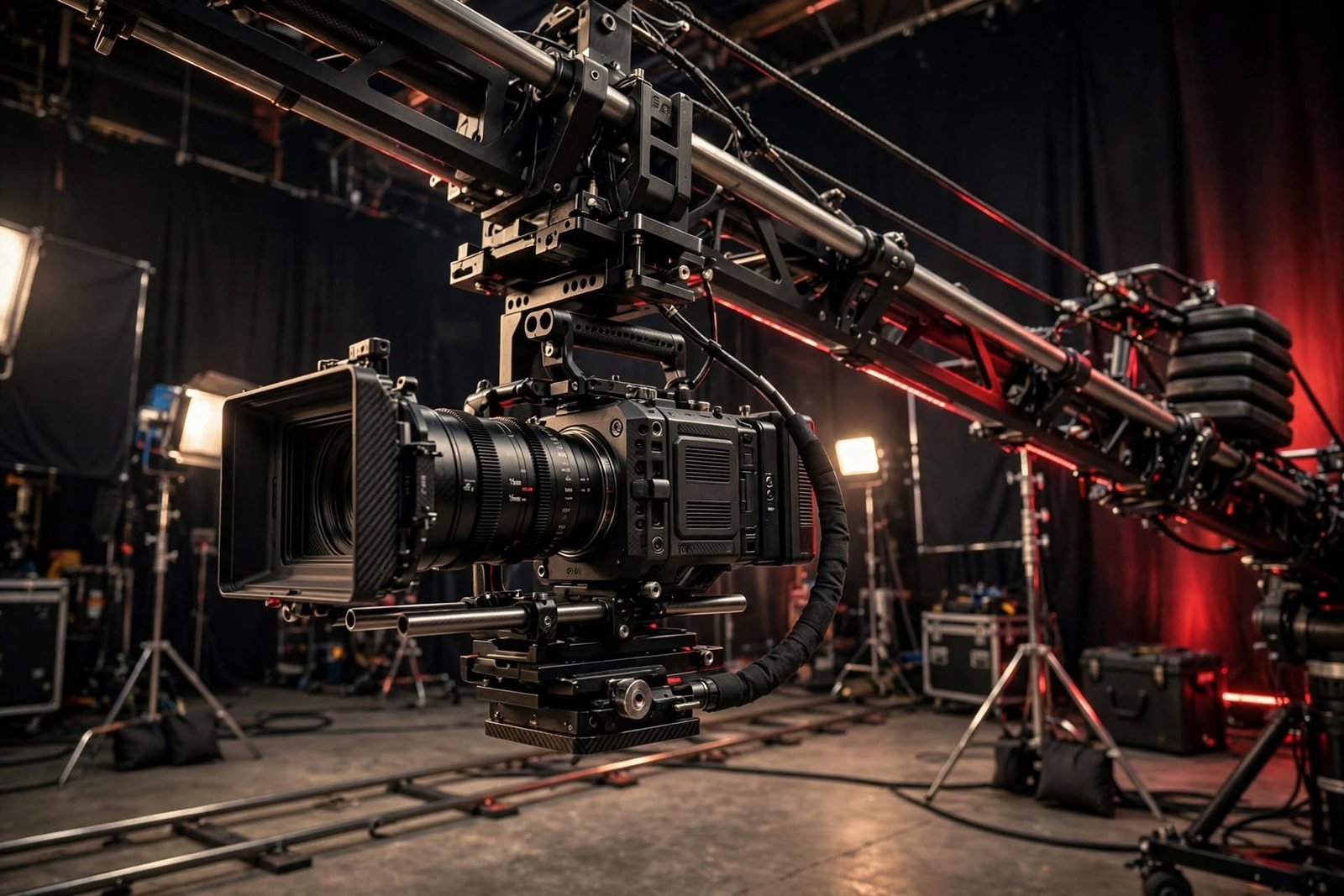
Customers often want to understand a product before deciding whether it meets their needs. Product descriptions and photographs provide useful details, but they may not show how an item works or how it looks during use. Professional video production dubai allows businesses to demonstrate product features through clear visuals, practical examples and structured storytelling. A well-planned product video can show size, materials, functions and important details that may be difficult to explain through text alone. It can also answer common questions before a customer contacts the business. To achieve these benefits, the video must provide accurate information, focus on real product value and avoid exaggerated promises.
Identifying the Information Customers Need
Before creating a product video, a business should understand what customers want to know. Different products require different types of demonstrations. A household appliance may need to show its controls and everyday use, while industrial equipment may require a closer explanation of its operation and safety features.
Customer questions can provide a useful starting point. Sales teams, customer support staff and product specialists often know which features cause confusion. Reviewing these questions helps identify the details that should appear in the video.
The production team should organise information according to customer priorities. Important functions should be explained first, followed by supporting features and practical details. This prevents the video from becoming a long list of specifications.
A clear objective also helps determine the format. A demonstration may be suitable for a physical product, while a narrated explainer may work better for software or a technical service.
Demonstrating Features Through Clear Visuals
A product video should show the product from angles that help customers understand its design and function. Wide shots can establish its overall appearance, while close-ups can highlight controls, materials, connections or smaller components.
Demonstrations should follow a logical order. The video may begin by introducing the product, then show its main features and finish with an example of how it can be used. This structure gives viewers a simple path through the information.
Camera movement should be controlled and purposeful. Unnecessary movement can distract from the product, while poor lighting may hide important details. Clear framing and accurate colour representation help viewers form realistic expectations.
If the product has several functions, each should be demonstrated separately. On-screen labels can identify features, but the text should remain brief and readable. The goal is to make the product easier to understand, not to fill the screen with information.
Combining Live Footage with Animation
Some product features cannot be shown clearly through ordinary filming. Internal components, digital processes and complex mechanisms may require diagrams or animated sequences. Animation can help reveal how a product works without requiring the camera to capture hidden details.
For example, a manufacturer may use live footage to show the external design of a machine and a 3D sequence to explain its internal movement. A software company may use screen recordings alongside animated graphics to guide users through a process.
The two approaches should work together. Live footage can provide a realistic view of the product, while animation can explain information that would otherwise remain invisible. The visual style should be consistent so that the final video feels like one complete presentation.
Accuracy is essential. Animated features should represent the actual product and should not suggest functions that are unavailable. Product specialists should review technical sequences before the video is approved.
Writing a Useful Script and Planning Production
A product video script should answer the questions that matter to the intended customer. It should introduce the product, explain its main purpose and demonstrate relevant features. The language should be simple enough for a general audience while remaining accurate.
A storyboard helps the production team plan the scenes. It can show when the product appears, which features require close-up shots and where graphics or narration will be added. This preparation also helps identify missing information before filming.
The production team should check the product’s condition, location and required accessories. If people will demonstrate the product, they should understand how to use it correctly. Any safety instructions should be followed during filming.
A review process should involve both creative and technical staff. The creative team can assess pacing and presentation, while product specialists can check that the information is correct.
Preparing Product Videos for Digital Platforms
Product videos may appear on product pages, social media, online advertisements and sales presentations. Each platform has different viewing conditions, so the production team may need to prepare several versions.
A detailed product-page video can show features and usage, while a shorter social media edit may focus on one key benefit. Captions are useful for viewers who watch without sound, and clear framing helps maintain visibility on smaller screens.
The video should be placed near relevant product information. A viewer who watches a demonstration may also need access to specifications, pricing, availability or support details. These elements should be easy to find.
Businesses should monitor customer responses after publication. Questions, engagement and product-page behaviour can reveal whether the video answers common concerns. If customers repeatedly ask about a feature that is not shown, the content may need an update.
Conclusion
Product videos can help customers understand features, compare options and make more informed decisions. Their value comes from accurate demonstrations, clear explanations and visuals that answer real questions. Businesses should plan each production around customer needs and ensure that every scene represents the product honestly. When hidden functions or technical details need further explanation, an animation studio in dubai can develop suitable 2D or 3D sequences. An animation studio in dubai can also help combine product footage with visual demonstrations that make complex features easier to understand. This approach creates informative content that supports the customer experience.
FAQs
1. What should a product video include?
It should introduce the product, demonstrate important features, show practical use and provide accurate information about its functions.
2. Are product videos useful for online stores?
Yes. They can give shoppers a clearer view of a product and answer questions that photographs or written descriptions may not fully address.
3. When should animation be used in a product video?
Animation is useful when internal components, technical processes or digital features cannot be shown clearly through live footage.
4. Should a product video be different for each platform?
The main message can remain consistent, but duration, framing and format may need to change to suit each platform.