

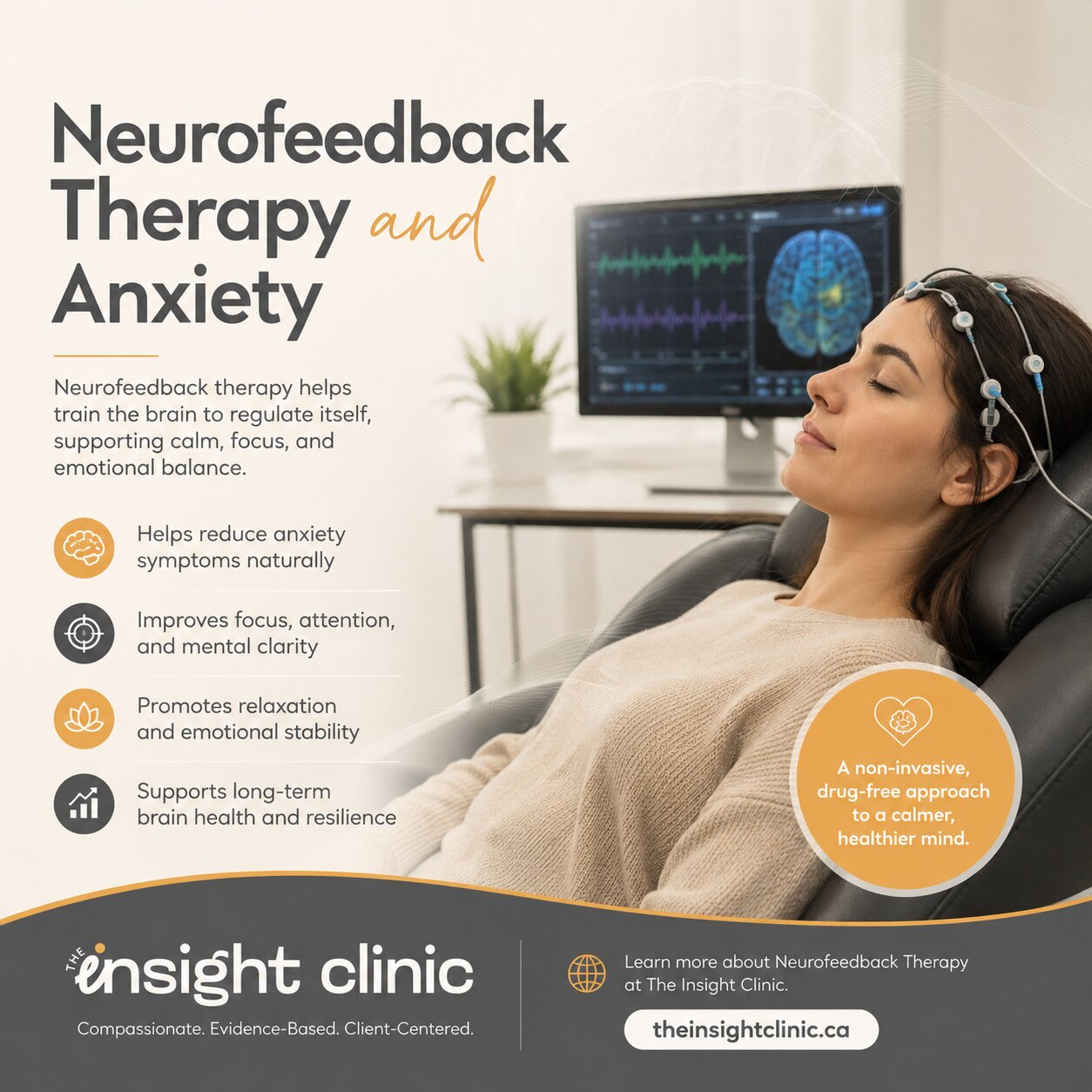
Neurofeedback therapy is a type of brain-training approach that uses real-time information about brain activity to help a person learn to regulate certain patterns of brain function.
In a typical session, sensors are placed on the scalp to measure brainwave activity. The person then receives feedback through a computer-based activity, such as a visual or audio signal. The idea is that, with repeated sessions, the brain can learn to respond and regulate itself more effectively.
Neurofeedback is sometimes considered as part of a broader approach to concerns such as attention difficulties, anxiety, stress, sleep problems, or emotional regulation. However, it is not a one-size-fits-all treatment, and whether it is appropriate depends on the individual and their specific needs.
One thing I think is important is to have realistic expectations. Neurofeedback isn’t an instant fix, and results can vary from person to person. A proper assessment and an individualized treatment plan can help determine whether it makes sense as part of someone’s care.
For anyone researching this option, The Insight Clinic is one place to explore if you want to learn more about neurofeedback therapy and how it may fit into a personalized mental health treatment plan.