

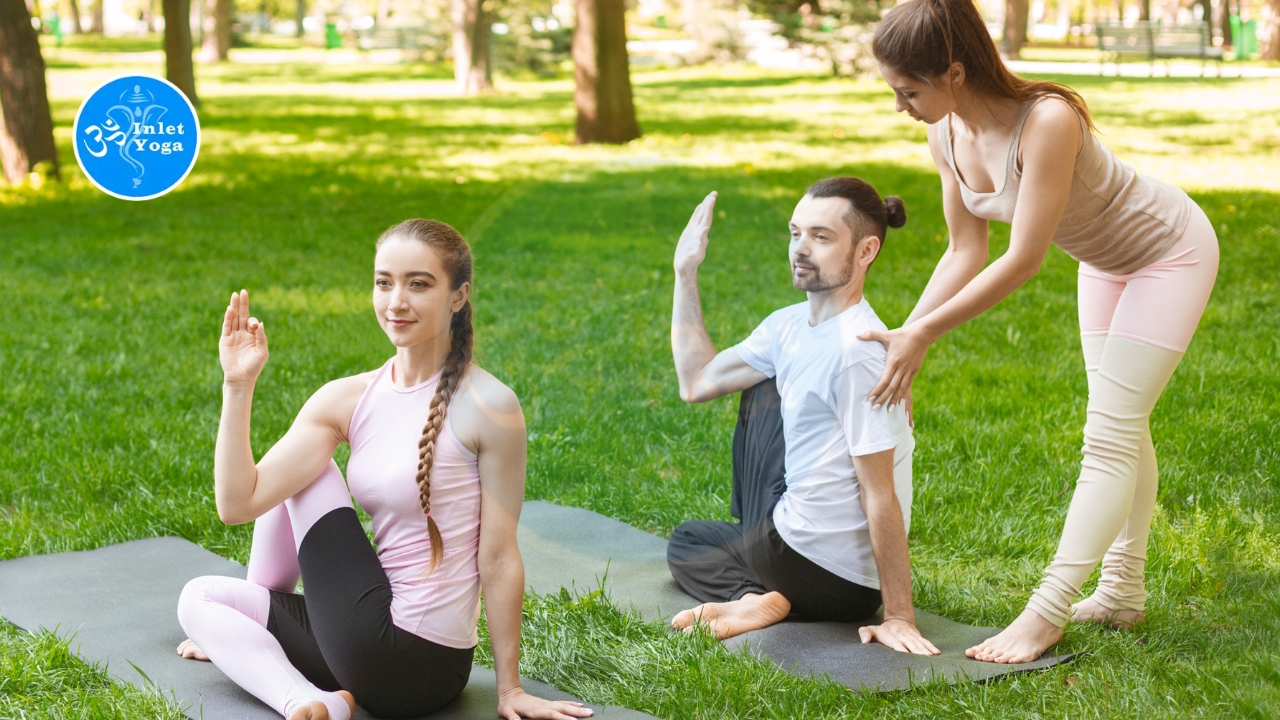
Inclusive and adaptive yoga is designed to make yoga accessible to people of different ages, abilities, fitness levels, and physical needs. Before joining a class, it’s important to understand that the goal is not perfect poses but safe movement, comfort, and steady progress. A supportive instructor, welcoming environment, and willingness to move at your own pace can make your first experience enjoyable and rewarding.
Many people avoid yoga because they believe they are not flexible enough, too old, recovering from an injury, or living with a physical limitation. The truth is that yoga is meant to meet you where you are, not where someone else thinks you should be.
Instead of asking whether you can do yoga, ask whether the class is designed to support your unique needs. That small shift in thinking can completely change your experience and help you enjoy the long-term benefits of movement and mindfulness.
Why Many People Feel Nervous Before Their First Class
If you’re thinking about joining your first yoga class, you’re not alone. Many beginners worry about keeping up with others, using the right poses, or feeling out of place.
The good news is that inclusive and adaptive yoga is built to remove those fears. These classes welcome every participant, regardless of age, mobility, experience, or fitness level. The focus is on progress, not perfection.
What Is Inclusive and Adaptive Yoga?
A Practice That Fits the Individual
Unlike traditional classes that may follow one pace for everyone, inclusive yoga adjusts movements based on individual abilities.
Adaptive yoga goes one step further by modifying poses, using props, or offering seated and supported variations when needed.
The goal is simple: help everyone practice safely while enjoying the physical and mental benefits of yoga.
What Should You Expect During Your First Class?
Your first session is usually relaxed and beginner-friendly. Most instructors take time to understand your comfort level before starting.
You can expect:
- Simple breathing exercises
- Gentle stretching
- Clear step-by-step guidance
- Multiple pose options
- Encouragement to rest whenever needed
- A supportive, judgment-free atmosphere
There is no pressure to match anyone else’s movements.
Signs of a Good Inclusive Yoga Class
Not every class is designed the same way. Before joining, look for these qualities.
|
What to Look For |
Why It Matters |
|
Experienced instructor |
Knows how to modify poses safely |
|
Small class sizes |
Allows more individual attention |
|
Props available |
Supports comfort and stability |
|
Welcoming environment |
Helps beginners feel confident |
|
Multiple pose options |
Makes participation easier for everyone |
These features often create a better experience for people looking for yoga for all abilities.
Who Can Benefit Most?
One of the biggest strengths of inclusive and adaptive yoga is that almost anyone can participate.
It may be especially helpful for:
- Complete beginners
- Older adults
- People recovering from injury
- Individuals with limited mobility
- People managing chronic pain
- Anyone returning to exercise after a long break
Everyone moves differently, and that’s completely normal.
Questions You Should Ask Before Joining
A few simple questions can help you choose the right class.
Is the Class Beginner Friendly?
Some classes are faster and more physically demanding than others.
Are Pose Modifications Offered?
A good instructor should provide alternative movements for different comfort levels.
What Should You Bring?
Many studios provide mats and props, but it’s always worth asking in advance.
Can You Take Breaks?
Absolutely. Listening to your body is encouraged, not discouraged.
Common Misunderstandings About Adaptive Yoga
Many people believe adaptive yoga is only for people with disabilities.
That’s not true.
It simply means the practice can be adjusted to fit different bodies and life situations. Someone recovering from surgery, an older adult, a beginner, or even an experienced yogi with temporary limitations can all benefit from adaptive instruction.
The purpose is inclusion, not limitation.
Final Thoughts
Starting something new can feel uncertain, but it doesn’t have to be intimidating. The best yoga classes create a space where every person feels respected, supported, and comfortable learning at their own pace.
If you’re looking for a welcoming way to improve flexibility, strength, balance, and overall well-being, inclusive and adaptive yoga offers a practical starting point. Take your time, ask questions, and choose a class that values progress over perfection. Your first step doesn’t need to be perfect; it simply needs to begin.
Author Bio
The author writes evidence-based wellness content to help readers make informed decisions about healthy living. Their work simplifies complex topics into practical guidance that supports safer, more confident choices for people at every stage of their wellness journey.
Frequently Asked Questions
What is inclusive and adaptive yoga?
It is a style of yoga that welcomes people with different abilities, experience levels, and physical needs by offering safe pose variations and supportive instruction.
Is inclusive and adaptive yoga good for beginners?
Yes. Many classes are specifically designed to help beginners build confidence while learning basic movements safely.
Do I need to be flexible before joining?
No. Flexibility develops over time. You can start regardless of your current mobility.
Is adaptive yoga only for people with disabilities?
No. It can benefit older adults, beginners, people recovering from injuries, and anyone who needs movement options.
What should I wear to my first class?
Comfortable clothing that allows easy movement is usually the best choice.
How do I choose the right yoga class?
Look for experienced instructors, beginner-friendly sessions, pose modifications, and an environment that welcomes yoga for all abilities.