

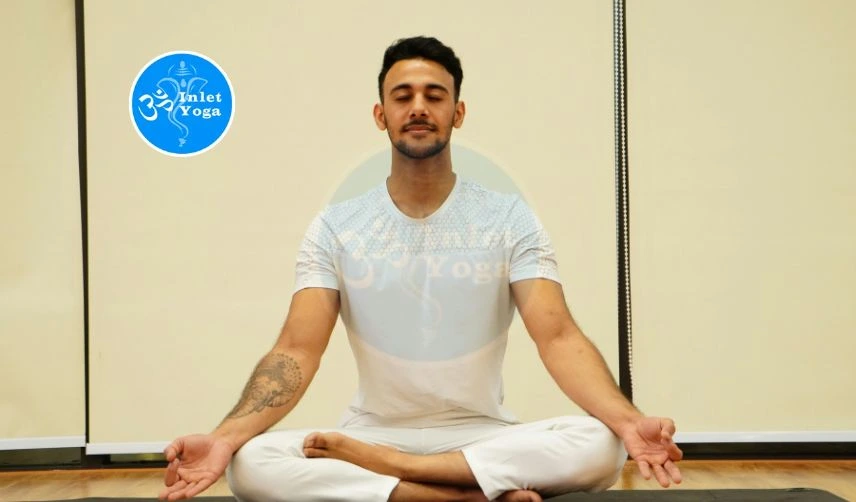
Why Is Yoga as a Lifestyle Becoming the Choice for Healthier Living?
Yoga as a Lifestyle is becoming popular because people want more than occasional workouts. They want a practical way to move better, breathe deeper, manage daily stress, and build healthier habits that fit real life.
A healthy lifestyle is not built from one perfect class or one intense routine. It comes from small, repeatable choices. Yoga supports that approach by combining movement, breath, mindfulness, rest, and self-awareness into everyday living.
Why People Are Moving Beyond “Yoga as Exercise”
Many adults begin yoga for flexibility, back tension, stress, or fitness. But after a few classes, they often notice something deeper. Yoga is not only about poses. It also affects how they breathe, rest, focus, and respond to pressure.
That is why more people are exploring Yoga as a Lifestyle instead of treating yoga as a once-a-week activity. They want the benefits of yoga to continue after the class ends.
Many people are drawn to yoga because it feels practical, flexible, and easy to adapt to daily life. A regular practice can support movement, breathing awareness, stress management, rest, and better self-connection. Results are different for every person, but yoga’s lifestyle value comes from helping people build small habits they can repeat consistently.
1. Yoga Encourages Consistency Over Intensity
A lot of fitness routines fail because they demand too much too quickly. People start strong, feel overwhelmed, and stop.
Yoga takes a different approach. You can begin with a gentle class, short breathing practice, or simple mobility routine. Progress does not need to be dramatic to be meaningful.
This makes yoga easier to maintain as part of a healthy lifestyle. Instead of chasing intensity, students learn to return to the mat regularly and listen to their body.
2. It Connects Movement With Mindfulness
Most workouts focus mainly on physical effort. Yoga connects movement with breath, awareness, and attention. That connection matters because many people live in a constant state of rushing. They move from work to errands to screens without checking in with themselves.
Through yoga, a person learns to notice tension, posture, breathing, and mental patterns. This awareness can make daily choices feel more intentional.
3. Yoga Supports Better Stress Habits
Stress is one of the biggest reasons people turn to yoga. The practice creates a space where the nervous system can slow down and the mind can settle. This does not mean yoga removes every problem or replaces medical or mental-health support. But it can become a useful wellness habit for managing everyday pressure.
NCCIH notes that some research indicates yoga may improve physical or psychological aspects of stress, though benefits depend on the person and the type of practice.
4. It Fits Different Ages and Energy Levels
Another reason Yoga as a Lifestyle is growing is flexibility. Not every person needs the same kind of practice. A busy professional may choose a 20-minute evening flow. A beginner may need a slow class. An older adult may prefer chair yoga or restorative yoga. Someone seeking more energy may enjoy Vinyasa.
Yoga can adapt to the person instead of forcing everyone into one model.
|
Lifestyle Need |
Yoga Approach That May Fit |
|
Stress relief |
Gentle, restorative, or breath-focused yoga |
|
More movement |
Vinyasa, Hatha, or slow flow |
|
Better rest |
Restorative yoga or guided relaxation |
|
Beginner confidence |
Foundational or all-levels classes |
|
Mobility support |
Gentle yoga, chair yoga, or private sessions |
5. It Builds Healthier Daily Awareness
A true healthy lifestyle is not only about exercise. It includes sleep, food choices, stress habits, movement, relationships, and the way a person manages energy. Yoga can support this because it teaches awareness. After practicing regularly, many students begin noticing how they sit, how they breathe, when they feel tense, and when they need rest.
That awareness can influence choices outside the studio. Someone may stretch instead of scrolling, breathe before reacting, or choose rest before burnout.
6. Studio Guidance Makes the Lifestyle Easier
Starting alone can feel confusing. A trained instructor can help students choose the right class, learn safe alignment, use props, and avoid pushing too hard. This is especially helpful for beginners. Inlet Yoga in Manasquan, NJ, offers classes for every level, from complete beginners to seasoned practitioners, serving the Jersey Shore community with beginner-friendly and varied class options.
A supportive studio environment can turn yoga from a random activity into a guided, repeatable routine.
How to Begin Yoga as a Lifestyle
You do not need to change your whole life at once. Start small.
Try this: Attend one class per week.
- Add five minutes of breathing on busy days
- Choose a class that matches your energy
- Use props and modifications without hesitation
- Track how you feel before and after practice
- Build slowly instead of forcing a routine
WHO explains that regular physical activity supports physical and mental health, and even some activity is better than none. Yoga can be an accessible way to include movement in daily life.
The Bottom Line
Yoga as a Lifestyle is becoming the choice for healthier living because it feels realistic, adaptable, and sustainable. It supports movement, breathing, awareness, stress management, and community. The goal is not to become perfect at yoga. The goal is to use yoga as a practical tool for living with more balance, calm, and care every day.
Author Bio
A dedicated yoga expert and wellness educator with a strong background in mindful movement, breathwork, flexibility, and holistic lifestyle practices. Their work focuses on helping students of all levels create safe, realistic, and consistent yoga routines that support strength, calm, mobility, and long-term wellbeing.
Frequently Asked Questions
What does yoga as a lifestyle mean?
Yoga as a lifestyle means using yoga beyond the mat. It includes movement, breathing, mindfulness, rest, and self-awareness as part of daily living.
Why is yoga becoming a lifestyle choice?
Yoga is becoming a lifestyle choice because it supports more than physical movement. It helps people build habits around breathing, mindfulness, stress management, flexibility, rest, and daily self-awareness.
How does yoga support a healthy lifestyle?
Yoga supports a healthy lifestyle by encouraging regular movement, better breathing habits, body awareness, and a calmer approach to stress. It can also help people stay consistent with self-care.
Is yoga a lifestyle or just exercise?
Yoga can be both. As exercise, it includes movement and flexibility work. As a lifestyle, it also includes breathwork, mindfulness, rest, discipline, and healthier daily choices.
What are the main benefits of Yoga as a Lifestyle?
The main benefits of Yoga as a Lifestyle include improved body awareness, better stress habits, more consistent movement, greater flexibility, emotional balance, and a more mindful daily routine.
Can beginners follow Yoga as a Lifestyle?
Yes. Beginners can follow Yoga as a Lifestyle by starting slowly, choosing accessible classes, using modifications, and focusing on consistency rather than advanced poses.
Why do people choose studio yoga for lifestyle change?
People choose studio yoga because it offers guidance, accountability, structure, and community. These factors can make it easier to turn yoga into a lasting lifestyle habit.