

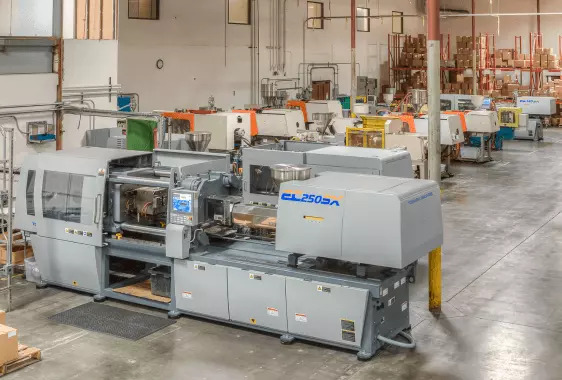
Injection molds are essential components in plastic manufacturing, and their condition directly affects product quality, production efficiency, and operating costs. A well-maintained mold can perform reliably for a long time, while poor maintenance can lead to premature wear, defects, and unexpected downtime. Working with an experienced plastic mold maker and following proper maintenance practices can significantly extend mold life. Here are five effective ways to protect your injection molds and maximize their service life.
1. Follow a Regular Maintenance Schedule
Preventive maintenance is one of the most effective ways to keep an injection mold operating efficiently. Instead of waiting until a problem appears, manufacturers should establish a routine inspection and maintenance schedule.
Important areas to inspect include mold surfaces, cavities, cores, ejector pins, slides, guide components, and cooling channels. Regular cleaning and inspection can identify early signs of wear, corrosion, or damage before they become expensive problems. A professional manufacturer such as Nubs Plastics Inc can also help establish maintenance practices suited to specific mold designs and production requirements.
2. Keep Mold Surfaces Clean
Plastic residue, dust, oil, and other contaminants can accumulate on mold surfaces over time. If these materials are not removed, they can affect part quality and contribute to surface damage.
After appropriate production intervals, molds should be carefully cleaned using methods and materials suitable for the mold construction. Special attention should be given to cavities, vents, parting surfaces, and other areas where residue may accumulate. Proper cleaning helps maintain surface finish and reduces the risk of contamination during production.
3. Maintain Proper Lubrication
Moving mold components require appropriate lubrication to operate smoothly. Guide pins, bushings, slides, ejector systems, and other moving parts can experience friction and wear when lubrication is insufficient.
Using the correct lubricant in the recommended quantity helps reduce friction and protects components from unnecessary wear. However, excessive lubrication can also attract contaminants or interfere with production, so manufacturers should follow the mold supplier’s recommendations.
4. Monitor Cooling Systems
Efficient cooling is critical for both productivity and mold longevity. Blocked or poorly maintained cooling channels can cause uneven temperatures, longer cycle times, and unnecessary thermal stress on mold components.
Cooling channels should be inspected regularly for scale, corrosion, or blockages. Maintaining proper coolant flow and temperature helps ensure consistent production while reducing thermal stress. Good cooling-system maintenance can also contribute to more stable molding cycles and better part quality.
5. Handle and Store Molds Properly
Proper handling and storage are often overlooked but can have a major impact on mold life. When a mold is removed from a molding machine, it should be cleaned, inspected, protected against corrosion, and stored in an appropriate environment.
Molds should also be handled with suitable lifting equipment to prevent accidental damage. Before long-term storage, manufacturers should follow recommended preservation procedures and protect exposed surfaces from moisture and corrosion.
Extend Mold Life Through Proper Care
An injection mold represents a significant manufacturing investment, so protecting it should be a priority. Regular maintenance, proper cleaning, adequate lubrication, efficient cooling, and careful storage can all help extend mold service life and reduce unexpected production interruptions.
Choosing an experienced plastic mold maker can further support long-term mold performance through quality design, precision manufacturing, and appropriate maintenance guidance. Nubs Plastics Inc provides plastic manufacturing and mold-related solutions designed to support reliable production and consistent results.