

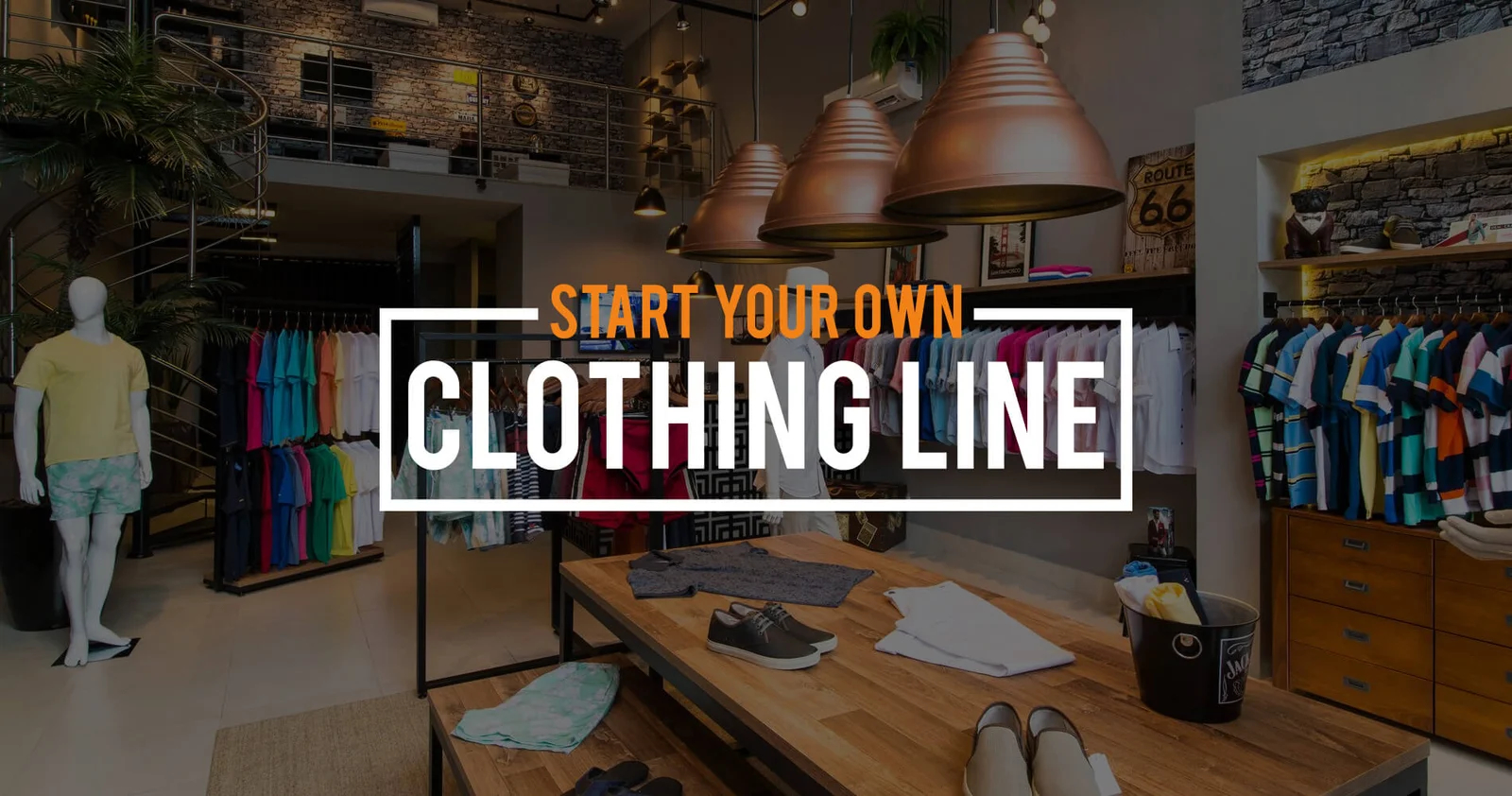
Custom apparel production continues to be an important part of the fashion industry in 2026. New brands, established clothing companies, startups, sports businesses, and private label retailers are looking for manufacturing partners that can turn creative concepts into high-quality finished garments.
Choosing a suitable clothing manufacturer requires more than comparing production prices. Brands need to consider design support, customization capabilities, minimum order quantities, fabric options, sampling, quality control, production capacity, and delivery timelines. Understanding these factors can help businesses find a manufacturing partner that matches their specific requirements.
Growing Demand for Custom Apparel
The demand for customized clothing continues to create opportunities for businesses that want to build distinctive apparel collections. Instead of relying entirely on generic garments, brands can develop products around their own designs, target audiences, materials, and branding.
Custom production can include T-shirts, hoodies, sweatshirts, activewear, uniforms, sportswear, dresses, jackets, and other apparel categories. Depending on the manufacturer, brands may also customize colors, fabrics, labels, embroidery, printing, packaging, and garment construction.
This flexibility allows businesses to create collections that align more closely with their brand identity.
1. Design and Development Capabilities
One of the first factors to consider is whether a manufacturer can support the design and development process.
Some brands already have complete technical specifications, while others need assistance turning an initial concept into a manufacturable product. Manufacturers may offer services such as pattern development, sample creation, fabric recommendations, measurements, and technical specifications.
Working with experienced clothing design manufacturers can help brands move from an initial idea to a production-ready garment more efficiently.
2. Customization Options
Customization is essential for brands that want apparel that differs from standard wholesale products.
Ask potential manufacturers about the types of customization they provide. Depending on the company, services may include custom fabrics, colors, patterns, labels, embroidery, screen printing, sublimation, patches, hangtags, and custom packaging.
Before production begins, make sure the manufacturer understands your specifications and can reproduce your design accurately.
3. Minimum Order Quantities
Minimum order quantity, or MOQ, is an important consideration for both startups and established brands.
Large MOQs can increase upfront inventory costs, while smaller MOQs can make it easier to test a new product or collection. Ask manufacturers whether their MOQ applies to each design, color, size, or the entire order.
Understanding MOQ requirements before production can help brands create a more realistic manufacturing budget.
4. Fabric and Material Selection
Fabric has a major impact on the appearance, comfort, durability, and cost of an apparel product.
Brands should ask manufacturers what fabrics and materials they can source. Depending on the product, options may include cotton, organic cotton, polyester, denim, fleece, nylon, blends, performance fabrics, and other specialized materials.
If your brand has specific fabric requirements, confirm availability and specifications before approving the final sample.
5. Sample Development
A sample allows brands to evaluate a garment before committing to bulk production.
Review the sample carefully for measurements, fit, stitching, fabric, color, construction, printing, embroidery, and finishing. If changes are required, communicate them clearly before approving production.
A structured sampling process can reduce the risk of receiving bulk products that do not match the original design.
6. Production Capacity
A manufacturer should have enough capacity to handle your current requirements and potentially support future growth.
A startup may initially need a small production run, while a growing brand may eventually require thousands of garments. Ask about standard production capacity, peak-season schedules, and the ability to increase order volumes.
Scalable production can make it easier for brands to expand successful collections without immediately searching for another manufacturing partner.
7. Quality Control
Quality control should be considered throughout the manufacturing process rather than only at the end.
Ask how the manufacturer checks raw materials, garment construction, measurements, printing, embroidery, stitching, and finished products. Clear quality standards can help maintain consistency between samples and bulk orders.
Brands should also establish acceptance standards before production begins so both sides understand the expected level of quality.
8. Production Lead Times
Timing is particularly important for seasonal fashion collections and planned product launches.
Ask for estimated sample and bulk production timelines. Make sure you understand whether material sourcing, sampling, customization, and packaging are included in the quoted schedule.
Allowing additional time for unexpected changes can also help reduce pressure when preparing a new collection.
9. Pricing and Production Costs
Manufacturing prices vary based on materials, garment complexity, order volume, customization, and finishing requirements.
Rather than selecting a manufacturer solely because it offers the lowest price, compare complete quotations. Ask whether sampling, labels, packaging, printing, embroidery, and other services are included.
A detailed quotation can help you calculate the actual production cost and establish suitable retail pricing.
10. Communication and Long-Term Support
Clear communication is essential during custom apparel production. Designs often involve detailed measurements, artwork, fabric specifications, and finishing instructions.
Choose a manufacturer that communicates clearly and provides regular production updates. A reliable point of contact can make it easier to address questions and resolve changes during development.
For growing brands, a long-term manufacturing relationship can also simplify future collections because the manufacturer becomes familiar with the brand’s requirements.
Conclusion
Finding the right clothing manufacturer for custom apparel production in 2026 requires careful research. Brands should evaluate design support, customization options, MOQ, materials, sampling, production capacity, quality control, lead times, pricing, and communication.
The right manufacturing partner can help transform creative concepts into production-ready apparel while maintaining consistency throughout the process. Whether you are launching a new fashion label or expanding an established collection, experienced clothing design manufacturers can provide valuable support throughout product development and production.
By comparing manufacturers based on your specific requirements rather than price alone, you can establish a production process that supports quality, efficiency, and long-term apparel business growth.