

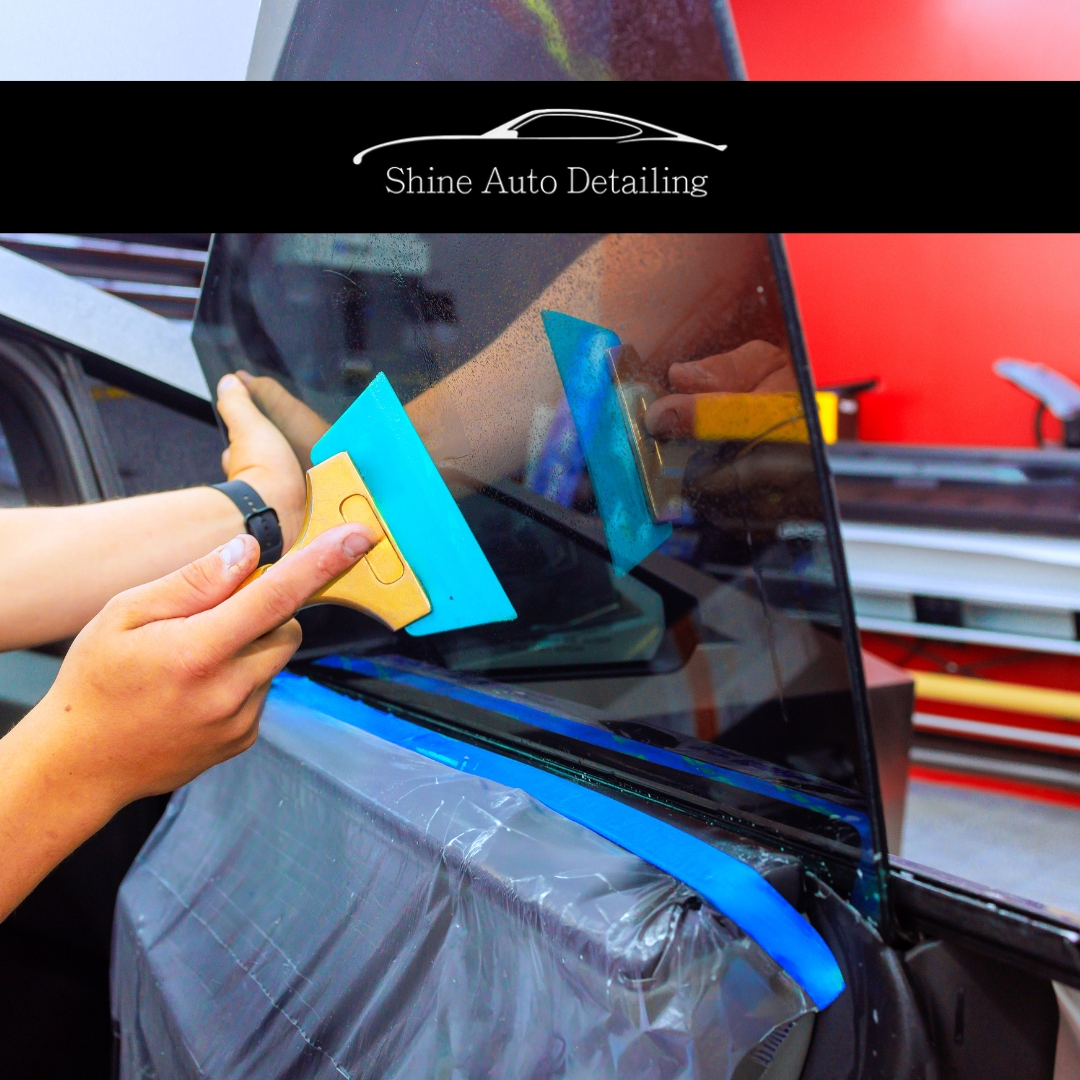
Regular car washing removes loose dust, mud, and everyday grime, but it cannot remove bonded contaminants, road film, bug residue, tar, water spots, or early signs of paint damage. Exterior car detailing goes much further by using specialized cleaning methods, paint-safe decontamination, and protective treatments that help maintain your vehicle’s finish. If you want your car to stay cleaner, look better, and receive long-term paint care, professional exterior car detailing offers benefits that a standard wash simply cannot provide.
Before We Begin
A car that looks clean isn’t always truly clean. Many harmful contaminants remain attached to the paint even after a regular wash, slowly affecting its condition over time. Knowing the difference between surface cleaning and deep exterior care helps you protect your vehicle before small problems become expensive repairs.
Why a Clean Car Isn’t Always Truly Clean
Have you ever washed your car only to notice rough paint, stubborn water spots, or marks that refuse to disappear? It can be frustrating when your vehicle still doesn’t look as clean as you expected.
The reason is simple. A regular wash is designed to remove loose dirt from the surface. It isn’t built to remove contaminants that bond to the paint or restore areas that have already started to lose their finish.
This is where exterior car detailing becomes much more than a cleaning service. It focuses on cleaning, restoring, and protecting your vehicle using methods that standard washing simply doesn’t include.
What Does a Regular Car Wash Actually Remove?
Most automatic and hand car washes are designed to clean visible dirt. They improve your vehicle’s appearance but usually stop once the loose contamination has been removed.
A typical wash can remove:
- Dust and loose dirt
- Mud and road splash
- Fresh bird droppings
- Light pollen
- Everyday surface grime
While this improves appearance, many contaminants remain attached to the paint.
What Problems Can Stay Behind?
Even when your vehicle looks clean, harmful contaminants can remain on the paint. Road film, tree sap, tar, brake dust, hard water minerals, bug residue, light oxidation, and other environmental particles often bond to the surface and cannot be removed with regular car shampoo alone. If left untreated, these contaminants can gradually dull the finish, make cleaning more difficult, and contribute to premature paint wear over time.
How Exterior Car Detailing Solves These Problems
Unlike a basic wash, exterior car detailing follows a step-by-step process designed to clean below the surface level.
Paint Decontamination
Specialized products safely remove iron particles, tar, bug residue, and other bonded contaminants that ordinary washing leaves behind.
The result is a smoother paint surface that feels noticeably cleaner.
Safe Paint Cleaning
Professional detailers use paint-safe techniques and quality tools that reduce unnecessary friction during cleaning.
This helps minimize the risk of adding new swirl marks while removing stubborn contamination.
Surface Inspection
Experienced detailers carefully inspect the vehicle after cleaning.
This allows them to identify areas with water spots, oxidation, light scratches, or other paint concerns that are often overlooked during routine washing.
Protective Finishes
Once the surface has been properly cleaned, protective products may be applied to help reduce future contamination and make routine maintenance easier.
Exterior Car Wash vs. Exterior Car Detailing
|
Regular Car Wash |
Exterior Car Detailing |
|
Removes surface dirt |
Removes bonded contaminants |
|
Improves appearance temporarily |
Cleans and restores the paint surface |
|
Limited inspection |
Thorough paint evaluation |
|
Basic cleaning process |
Multi-stage exterior care |
|
Short-term cleanliness |
Better long-term paint maintenance |
For drivers who want more than a temporary shine, professional exterior car detailing offers a much more complete approach.
Why This Matters for Vehicle Owners
Paint damage often develops gradually rather than all at once.
Small contaminants that remain on the surface can continue interacting with the paint every day. Over time, they may contribute to staining, dullness, or premature wear.
Routine detailing helps remove these contaminants before they remain on the vehicle for extended periods, supporting better long-term paint care.
When Should You Consider Exterior Car Detailing?
You may benefit from detailing if you notice:
- Rough paint after washing
- Water spots that won’t disappear
- Bug residue stuck to the front bumper
- Tree sap marks
- Road tar on lower panels
- Paint that no longer feels smooth
- A dull finish despite frequent washing
These are common signs that a regular wash is no longer enough.
Final Thoughts
Keeping a vehicle clean involves more than removing visible dirt. Many contaminants stay attached to the paint after a regular wash and continue affecting its appearance over time.
Exterior car detailing focuses on removing those hidden contaminants while helping maintain a cleaner, smoother, and healthier paint surface. Whether your goal is preserving your vehicle’s appearance or improving long-term maintenance, choosing professional exterior car detailing gives your vehicle the level of care that ordinary washing simply cannot provide.
Author Bio
The author is an automotive care writer specializing in vehicle detailing, paint protection, and long-term car maintenance. With a focus on practical advice and industry-backed insights, they create easy-to-understand content that helps vehicle owners make informed decisions while following modern automotive care best practices.
FAQ
Does exterior car detailing include more than washing?
Yes. Exterior car detailing typically includes deep cleaning, paint decontamination, surface inspection, and protective treatments that go beyond a standard wash.
Can regular washing remove road tar?
Not usually. Road tar often requires specialized products designed to safely remove bonded contaminants without harming the paint.
Why does my paint still feel rough after washing?
Rough paint usually indicates bonded contaminants such as iron particles, tree sap, or environmental fallout that normal washing cannot remove.
Is professional exterior car detailing suitable for newer vehicles?
Yes. Regular detailing helps remove contaminants before they have the opportunity to affect the paint’s appearance, making it valuable for both new and older vehicles.
How often should exterior car detailing be done?
The ideal schedule depends on driving habits, weather conditions, and where the vehicle is parked. Vehicles exposed to heavy road use or outdoor parking often benefit from more frequent detailing.
Can exterior car detailing help maintain my vehicle’s finish?
Yes. By removing contaminants that remain after regular washing, detailing supports cleaner paint and helps maintain your vehicle’s overall appearance over time.