

Water damage is the most common issue that can affect the condition, safety, and value of a property. Whether you own a residential home, an apartment, or a commercial building, moisture can damage building materials, encourage mould growth, and lead to expensive repairs. While some water-related problems may seem minor at first, ignoring them can result in significant structural and maintenance concerns over time.
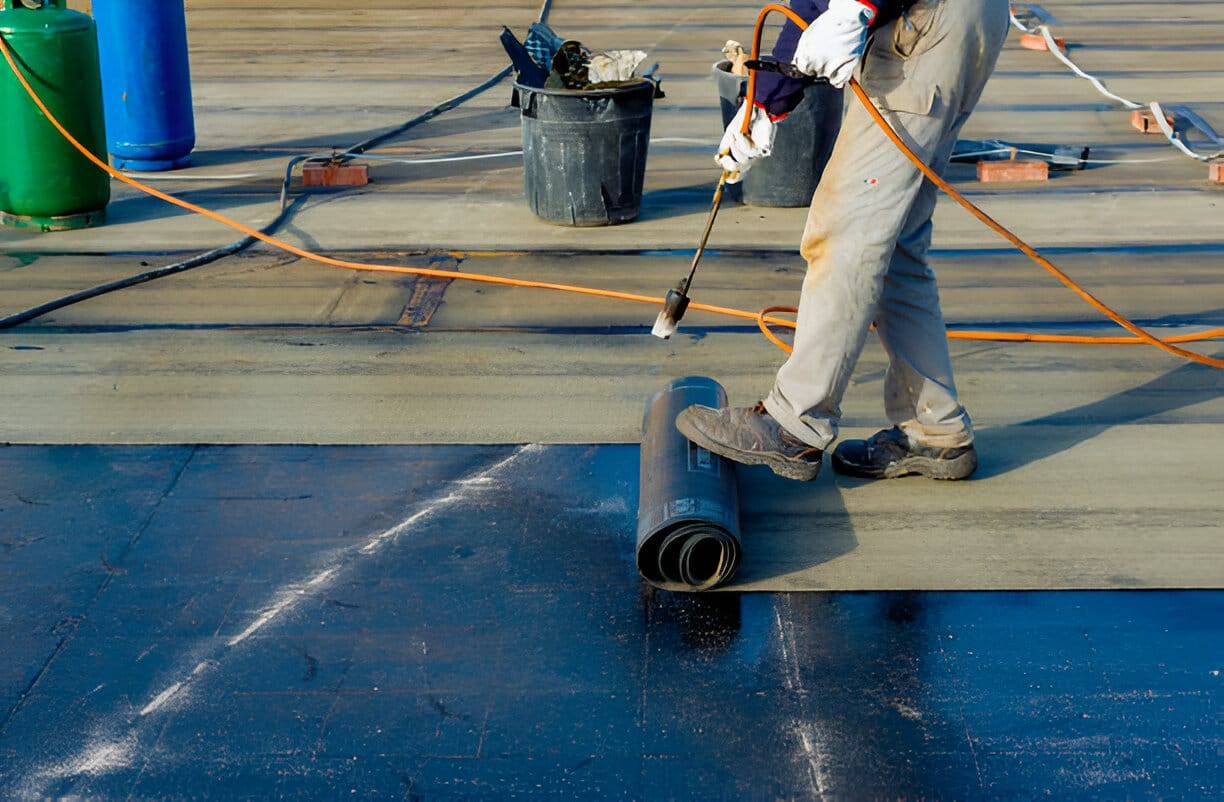
Professional waterproofing is one of the most effective ways to keep unwanted moisture out of your property. By forming a proper barrier against water penetration, it helps preserve building materials, maintain indoor comfort, and cut down the risk of costly damage. Understanding the long-term benefits of waterproofing helps property owners make informed decisions about maintaining their buildings.
The article outlines how professional waterproofing protects properties long-term, withstanding Sydney’s weather and ensuring building code compliance.
What Is Professional Waterproofing?
Professional waterproofing involves applying specialised membranes, coatings and sealing systems to prevent water from penetrating vulnerable areas of a building. These systems are commonly installed in bathrooms, kitchens, balconies, laundries, rooftops, basements and other areas exposed to moisture.
It all starts with a proper look at the property’s condition, checking for potential water entry points and any existing moisture problems. From there, the right waterproofing solution is chosen based on the surface, environmental conditions and relevant building requirements.
Professional installation is important because waterproofing performance depends on correct preparation, suitable materials and careful application. Even small gaps, poorly sealed joints or incorrectly treated corners can allow water to enter the building and compromise the protection system.
1. Prevents Structural Damage
The most important benefit of professional waterproofing is its ability to reduce the risk of long-term structural damage. Water can gradually penetrate concrete, masonry, timber and other building materials, weakening their performance over time.
In concrete structures, moisture can lead to reinforcement corrosion under certain conditions. Timber that’s constantly exposed to dampness may deteriorate or become vulnerable to fungal decay. And water getting into walls and floors can damage plasterboard, paint and internal finishes.
Professional waterproofing helps protect these vulnerable areas by limiting water penetration before it causes extensive deterioration. When installed correctly and maintained appropriately, a suitable waterproofing system can help preserve the building’s structural components and reduce the likelihood of major repairs.
2. Reduces the Risk of Mould and Mildew
Persistent moisture creates favourable conditions for mould and mildew growth in bathrooms, laundries, basements and poorly ventilated spaces. These problems can produce unpleasant odours, damage surfaces and contribute to indoor air quality concerns.
Waterproofing helps control one important source of moisture by preventing water from passing through floors, walls and other exposed surfaces. It should work alongside adequate ventilation, appropriate drainage and prompt repairs to plumbing leaks.
If you’re looking into waterproofing Sydney services, tackling moisture-prone areas early can help reduce the likelihood of recurring dampness and the maintenance headaches that come with it. And if mould is already there, it should be assessed and treated properly rather than only painted over with a new coating or membrane.
3. Protects Internal Finishes and Fixtures
Water damage does not always begin with obvious structural problems. The first signs appear as peeling paint, swollen skirting boards, damaged cabinetry, loose tiles or discoloured ceilings.
These issues can affect the appearance and functionality of a property. In bathrooms and kitchens, moisture entering behind tiles may weaken adhesives and damage underlying materials. On balconies, inadequate waterproofing can allow water to penetrate beneath tiled surfaces and affect adjoining rooms.
A professionally installed waterproofing system helps protect these finishes by limiting moisture exposure. It can reduce the risk of repeated cosmetic repairs and help property owners maintain cleaner, more durable interiors.
4. Helps Reduce Long-Term Maintenance Costs
Preventive maintenance is more manageable than dealing with extensive water damage after it occurs. A small leak or failed seal may require a straightforward repair, but prolonged water penetration can lead to damaged flooring, deteriorated walls, and costly restoration work.
Professional waterproofing helps minimise these risks by addressing vulnerable areas before moisture problems become more serious. Although installation requires an upfront investment, an appropriate system can reduce the frequency of water-related repairs over its service life.
Property owners should remember that waterproofing is not maintenance-free. Regular inspections, prompt repairs to damaged seals and attention to drainage issues help maintain the system’s effectiveness.
5. Supports Property Value and Appeal
A well-maintained property is more attractive to prospective buyers, tenants and investors. Visible water stains, mould, damaged finishes and musty odours can raise concerns about the building’s condition and the possibility of hidden problems.
Effective waterproofing helps protect the property’s presentation and reduces the risk of moisture-related deterioration. Maintaining records of waterproofing work, product specifications and relevant warranties can also help demonstrate that important maintenance has been undertaken.
Although waterproofing alone cannot guarantee a higher property value, it forms part of a responsible property maintenance strategy that supports long-term condition and usability.
6. Provides Protection Against Sydney’s Weather Conditions
Properties in Sydney experience changing weather conditions, including periods of heavy rainfall, humidity and intense sun exposure. These conditions can place pressure on external waterproofing systems, on balconies, rooftops, terraces and exposed building joints.
Poor drainage, blocked outlets and deteriorating seals may allow rainwater to collect or enter vulnerable areas. Over time, repeated exposure can increase the leaks and damage to adjoining building materials.
Choosing an appropriate waterproofing system for the property’s exposure and construction type is essential. Professional assessment can help identify vulnerable areas and determine whether membranes, joint sealing or drainage improvements are needed.
7. Ensures Compliance With Relevant Building Requirements
Waterproofing is an important part of building construction and renovation in wet areas and other locations where water penetration could damage adjoining structures.
In Australia, applicable requirements depend on the building type, location, construction work and relevant standards. For example, the National Construction Code and applicable Australian Standards establish requirements relevant to waterproofing in certain building applications.
Working with a qualified and experienced professional helps property owners understand the requirements that apply to their project. Correct installation, suitable documentation and appropriate product selection can help reduce the risk of failures caused by unsuitable materials or poor workmanship.
When Should You Consider Professional Waterproofing?
Waterproofing should be considered during new construction, bathroom renovations, balcony upgrades and other projects involving moisture-prone areas. It may also be necessary when existing waterproofing systems show signs of failure.
Common warning signs include persistent damp patches, peeling paint, loose tiles, water stains, musty smells and recurring leaks. These symptoms do not always indicate a waterproofing failure, so identifying the underlying cause is important before undertaking repairs.
A professional inspection can help determine whether the problem relates to damaged membranes, plumbing leaks, poor drainage, deteriorated sealants or another source of water entry.
Conclusion
Professional waterproofing plays a vital role in protecting properties from moisture-related damage over the long term. By helping prevent structural deterioration, reducing the risk of mould, protecting internal finishes and limiting future maintenance expenses, an appropriate waterproofing system can contribute to a property’s durability and overall condition.
Whether you are building a new home, renovating a bathroom or maintaining an existing commercial property, addressing waterproofing needs early is a practical investment in long-term protection.
For property owners seeking reliable waterproofing Sydney solutions, choosing an experienced professional and arranging regular inspections can help ensure that vulnerable areas receive appropriate protection. With suitable materials, correct installation and ongoing maintenance, you can reduce water-related risks and help preserve your property’s value for the coming years.