

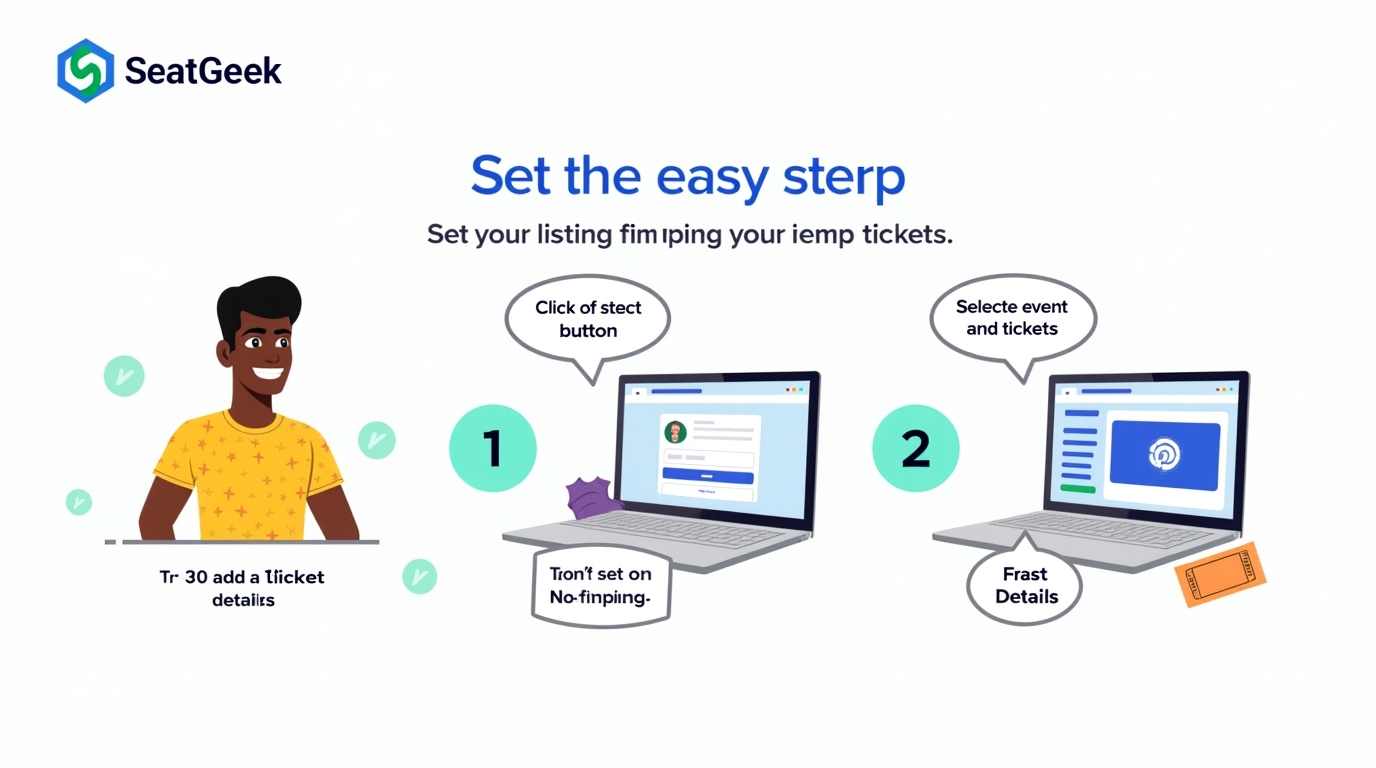
If you can no longer attend a concert, sporting event, theater performance, or comedy show, selling your tickets online is an excellent way to recover some or all of your purchase cost. One of the most popular ticket marketplaces makes this process simple, leading many people to search for how to list tickets on SeatGeek.
Whether you’re selling a single ticket or multiple seats, understanding the listing process can help you attract buyers and complete a successful sale. This guide explains how to list tickets on SeatGeek, what information you’ll need, tips for creating an effective listing, and best practices for first-time sellers.
Why Sell Tickets on SeatGeek?
SeatGeek is a popular online ticket marketplace that connects buyers and sellers for a wide variety of live events. If your plans change, listing your tickets can help you find interested buyers before the event.
People commonly sell tickets for:
- Concerts
- Sporting events
- Theater performances
- Comedy shows
- Festivals
- Family entertainment
- Special events
Because many events now use digital tickets, the selling process is often faster and more convenient than ever.
How to List Tickets on SeatGeek
If you’re wondering how to list tickets on SeatGeek, the process generally involves a few simple steps.
1: Sign In to Your Account
Log in to your SeatGeek account using your registered email address.
If you don’t already have an account, you’ll need to create one before listing tickets.
2: Access the Selling Section
Navigate to the section where ticket sales or listings are managed.
This area allows you to create a new listing for eligible tickets.
3: Select the Event
Choose the event for which you want to sell tickets.
If your tickets are already associated with your account, the event may appear automatically.
4: Enter Ticket Information
Provide accurate details, including:
- Event name
- Date
- Venue
- Section
- Row
- Seat numbers
- Number of tickets
Accurate information helps buyers understand exactly what they’re purchasing.
5: Set Your Price
Choose your desired selling price.
Some marketplaces also offer automated pricing tools that adjust your listing based on market conditions.
Review your pricing carefully before publishing.
6: Review the Listing
Double-check every detail before submitting.
Verify:
- Seat information
- Ticket quantity
- Pricing
- Delivery method
Accuracy reduces the chance of problems later.
7: Publish Your Listing
Once you’ve confirmed the details, publish your listing.
Your tickets become visible to potential buyers if they meet marketplace requirements.
What Information Do You Need?
Before listing your tickets, gather all relevant information.
This typically includes:
- Event name
- Event date
- Venue
- Section
- Row
- Seat numbers
- Ticket quantity
- Ticket delivery method
Having this information ready makes the listing process much faster.
Tips for Creating an Attractive Listing
Learning how to list tickets on SeatGeek is only part of the process.
A well-prepared listing can improve your chances of making a sale.
Use Accurate Details
Incorrect seating information can create problems for both buyers and sellers.
Always verify your ticket information before publishing.
Price Competitively
Compare similar listings for the same event.
Competitive pricing often attracts more buyer interest.
List Tickets Early
Earlier listings generally receive more exposure before the event.
Waiting until the last minute may reduce visibility.
Respond Promptly
If additional information or ticket transfers are required, responding quickly helps keep the transaction moving smoothly.
Understanding Ticket Delivery
Most modern ticket sales involve digital delivery.
Common methods include:
- Mobile tickets
- Digital ticket transfer
- Barcode delivery
- Venue-specific ticketing apps
Follow the marketplace’s delivery instructions carefully to ensure successful completion of the sale.
Common Mistakes to Avoid
First-time sellers sometimes make avoidable errors.
Incorrect Seat Information
Double-check section, row, and seat numbers before publishing.
Overpricing Tickets
Pricing significantly above comparable listings may reduce buyer interest.
Waiting Too Long
Listing tickets shortly before the event limits the amount of time buyers have to discover your listing.
Ignoring Marketplace Notifications
Pay attention to emails or account notifications requesting action.
Prompt responses help avoid delays.
What Happens After Your Tickets Sell?
Once a buyer purchases your tickets, you’ll typically need to complete the required delivery process.
Depending on the event, this may involve:
- Mobile ticket transfer
- Electronic delivery
- Confirmation through the marketplace
After the transaction is completed according to the marketplace’s policies, payment is generally processed using your selected payout method.
Benefits of Selling on SeatGeek
There are several advantages to using an online ticket marketplace.
These include:
- Wide audience of potential buyers
- Digital ticket transfers
- Secure payment processing
- Convenient account management
- Mobile-friendly access
- Easy listing management
These features make selling tickets more accessible for many users.
Tips for First-Time Sellers
If this is your first listing, keep these recommendations in mind.
Verify Your Account
Complete any required account verification before listing tickets.
Update Payment Information
Ensure your payout details are accurate to avoid payment delays.
Monitor Your Listing
Check your account periodically to stay informed about listing status and buyer activity.
Keep Your Tickets Ready
Be prepared to transfer tickets promptly after they sell.
Frequently Asked Questions
How do I list tickets on SeatGeek?
Generally, sign in to your account, access the selling section, select your event, enter your ticket details, choose a price, review your listing, and publish it.
Can I sell digital tickets?
Yes. Many events use digital tickets that can be transferred electronically after a successful sale.
How should I price my tickets?
Compare similar listings and consider factors such as seat location, event popularity, and current market demand.
What happens after my tickets sell?
You’ll usually complete the required ticket transfer, after which payment is processed according to the marketplace’s seller policies.
Can I edit my listing?
Depending on the marketplace’s rules and the status of your listing, certain details may be editable before the tickets are sold.
Best Practices for Successful Ticket Sales
To improve your selling experience:
- List tickets early.
- Enter accurate ticket information.
- Price competitively.
- Monitor your account regularly.
- Complete ticket transfers promptly.
- Follow marketplace policies.
These habits can increase buyer confidence and help create smoother transactions.
Why Buyers Choose Well-Prepared Listings
Buyers are more likely to purchase tickets when listings include:
- Accurate seating information
- Competitive pricing
- Complete event details
- Reliable delivery methods
Taking the time to create a high-quality listing benefits both sellers and buyers.
Conclusion
Learning how to list tickets on SeatGeek is straightforward when you understand the basic steps. By signing in to your account, entering accurate ticket information, setting a competitive price, and following the marketplace’s listing and delivery requirements, you can improve your chances of making a successful sale. Whether you’re selling tickets for a concert, sporting event, theater performance, or another live event, preparation is key. Listing your tickets early, verifying your account information, and responding promptly to any required actions can help ensure a smooth selling experience from start to finish.