

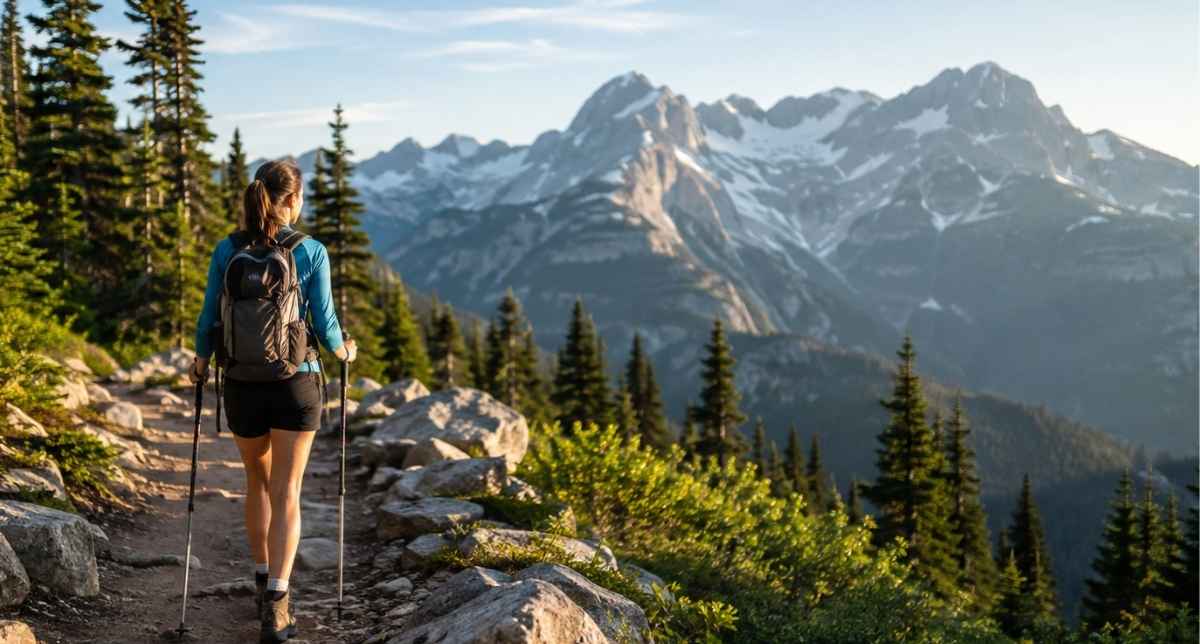
A great hiking adventure is about more than reaching the end of a trail. It is about enjoying the route, handling unexpected conditions, noticing the landscape, and finishing the day feeling satisfied rather than completely drained. Whether you are planning a short weekend walk or a more challenging day in the mountains, a little preparation can make a huge difference. The right hiking tips and advice can help you choose a suitable route, pack intelligently, manage your energy, and enjoy the experience without unnecessary stress. Here’s the thing: you do not need an elaborate plan to have a memorable hike. You simply need to prepare for the hike you are actually taking.
Choose a Trail That Matches Your Goals
Before thinking about equipment or snacks, decide what you want from the hike.
Are you looking for exercise? A scenic walk? A photography opportunity? Time with friends? Or perhaps you want to challenge yourself with more elevation than usual?
Your answer can help determine which trail makes sense.
Pay attention to more than the total distance. Elevation gain, terrain, weather exposure, navigation difficulty, and expected trail conditions can all affect how demanding a route feels. A relatively short trail with steep climbs and rocky surfaces may require more effort than a longer route across mostly level ground.
If you are unfamiliar with an area, research the route before leaving. Look at a map, read recent trail information when available, and make sure the expected difficulty is appropriate for your current fitness and experience.
Prepare Before You Leave Home
The easiest way to make a hike unnecessarily difficult is to start without checking the basics.
Check the Weather and Trail Conditions
Weather can influence almost every part of your hike. Rain may make rocks and roots slippery, while hot conditions can increase your need for water and shade. Cold or windy weather may require additional layers.
Do not rely solely on how the weather feels outside your front door. Conditions can be different at higher elevations or farther along the route.
If the forecast looks unsuitable for your planned trail, changing the route or postponing the hike can be a smart decision rather than a disappointment.
Pack for the Specific Hike
A useful day-hiking setup generally includes water, suitable food, navigation tools, weather-appropriate clothing, a basic first-aid kit, and a charged phone. Depending on the route, you may also need extra layers, sun protection, a headlamp, trekking poles, or other equipment.
Avoid packing based on the idea that more gear automatically means better preparation. A heavy backpack can become uncomfortable surprisingly quickly.
Instead, consider the route and conditions. A short, easy trail close to facilities may require less equipment than a remote route where help and supplies are harder to access.
Start at a Comfortable Pace
One of the easiest mistakes to make on a hike is starting too fast.
At the beginning, your legs may feel fresh and the excitement of the trail can encourage you to move quickly. Later, however, that early pace may catch up with you.
Try to establish a rhythm that feels sustainable. On climbs, shortening your stride can help you maintain a steady effort instead of repeatedly stopping because you pushed too hard.
There is no prize for being the fastest person on the trail. If your goal is to enjoy the adventure, a comfortable pace gives you more opportunity to appreciate the surroundings and conserve energy for later sections.
Use Breaks Strategically
Taking breaks does not mean you are failing to make progress. Smart breaks can help you stay comfortable and manage your energy.
Instead of waiting until you are completely exhausted, consider taking short pauses during suitable sections of the hike. Drink some water, have a snack when needed, adjust your clothing, and check the route.
Choose safe places for breaks. Avoid stopping in areas where loose rocks, falling branches, steep edges, or other hazards could create unnecessary risk.
If you are hiking with a group, communicate about breaks rather than assuming everyone has the same needs.
Pay Attention to Hydration and Food
Water and food are easy to underestimate, particularly on longer or warmer hikes.
Carry enough water for the conditions and the expected duration of the outing, while considering whether reliable water sources are actually available along the route. Do not assume that a stream or spring is automatically safe to drink from without appropriate treatment.
For food, choose snacks that are convenient to carry and easy to eat while taking a break. Options such as fruit, sandwiches, trail mix, or other familiar foods can work well depending on your preferences and the length of the hike.
It is also useful to bring a little more food than you expect to need if the route could take longer than planned. Delays happen. You might stop for photographs, take a wrong turn, encounter difficult terrain, or simply move more slowly than expected.
Dress for Changing Conditions
Comfort on the trail often depends on clothing choices.
Rather than wearing one heavy layer, consider using several layers that can be added or removed as conditions change. Moisture management, protection from wind or rain, and appropriate insulation all matter depending on the environment.
Your footwear deserves particular attention. Shoes or boots should be appropriate for the terrain and fit comfortably. New footwear should ideally be tested on shorter outings before being used for a long adventure.
Small discomforts can become major problems after several hours of walking, so do not ignore rubbing, hot spots, or pressure points.
Take Time to Enjoy the Trail
It is easy to become focused on reaching a destination and forget to enjoy the journey.
Give yourself permission to slow down when the scenery deserves attention. Stop for a photograph, look across the landscape, listen to the surrounding sounds, or simply take a few quiet minutes to appreciate where you are.
If you are hiking with friends, these moments can become part of the experience rather than interruptions to it.
For photography enthusiasts, this may also mean planning extra time into the hike. A route that takes three hours at a steady pace may take considerably longer if you regularly stop to capture views.
Know When to Change the Plan
Flexibility is one of the most useful skills a hiker can develop.
Suppose you planned to complete a particular loop, but the weather deteriorates or you realize the terrain is taking longer than expected. Continuing simply because it was the original plan may not be the best choice.
Turnaround decisions are especially important on routes where daylight, weather, or fatigue could become concerns.
There is nothing wrong with shortening a hike. You can always return another day under better conditions.
Avoid Common Hiking Mistakes
A few simple mistakes can turn an enjoyable outing into a frustrating one.
One is failing to share your plans. If you are heading somewhere unfamiliar or remote, let someone know your general route and expected return time.
Another is depending entirely on a smartphone for navigation. Phones are useful, but batteries can run down and reception may be unreliable in some locations. A downloaded map or another suitable navigation method can provide valuable backup.
Ignoring your body’s warning signs is another common problem. Normal exertion is part of hiking, but severe pain, dizziness, unusual weakness, or other concerning symptoms should not simply be pushed aside.
Finally, avoid assuming that familiar terrain will always have familiar conditions. Trails can change because of rain, storms, fallen trees, erosion, or seasonal conditions.
Leave the Trail Better Than You Found It
Making the most of a hiking adventure also means taking care of the place you came to enjoy.
Stay on established trails where appropriate, carry your waste out, avoid disturbing wildlife, and respect other visitors. Keep noise reasonable, particularly in areas where people are looking for a quiet outdoor experience.
A beautiful trail is a shared resource. Good outdoor habits help preserve it for the next group of hikers.
Make Your Next Hike a Learning Experience
After the hike, think briefly about what worked and what did not.
Maybe you packed too much food but not enough water. Perhaps your shoes were comfortable, but your rain layer was difficult to access. Maybe the route was easier than expected and you are ready for something more challenging next time.
These small observations are useful because hiking skills develop through practice. You do not have to get every detail perfect on every outing.
The goal is to become better prepared while keeping the experience enjoyable.
Enjoy the Adventure, Not Just the Destination
The best hiking adventures usually have a balance between preparation and spontaneity. Plan the route, check conditions, bring sensible equipment, and understand your limits. Once you are on the trail, though, leave some room to enjoy the unexpected.
A viewpoint you did not expect, an interesting side trail, or a quiet stretch of forest may become the most memorable part of the day.
So, before your next hike, prepare thoughtfully, travel at a sensible pace, and give yourself enough time to appreciate the trail. Reaching the destination is satisfying, but enjoying the journey is what makes the adventure worth repeating.