

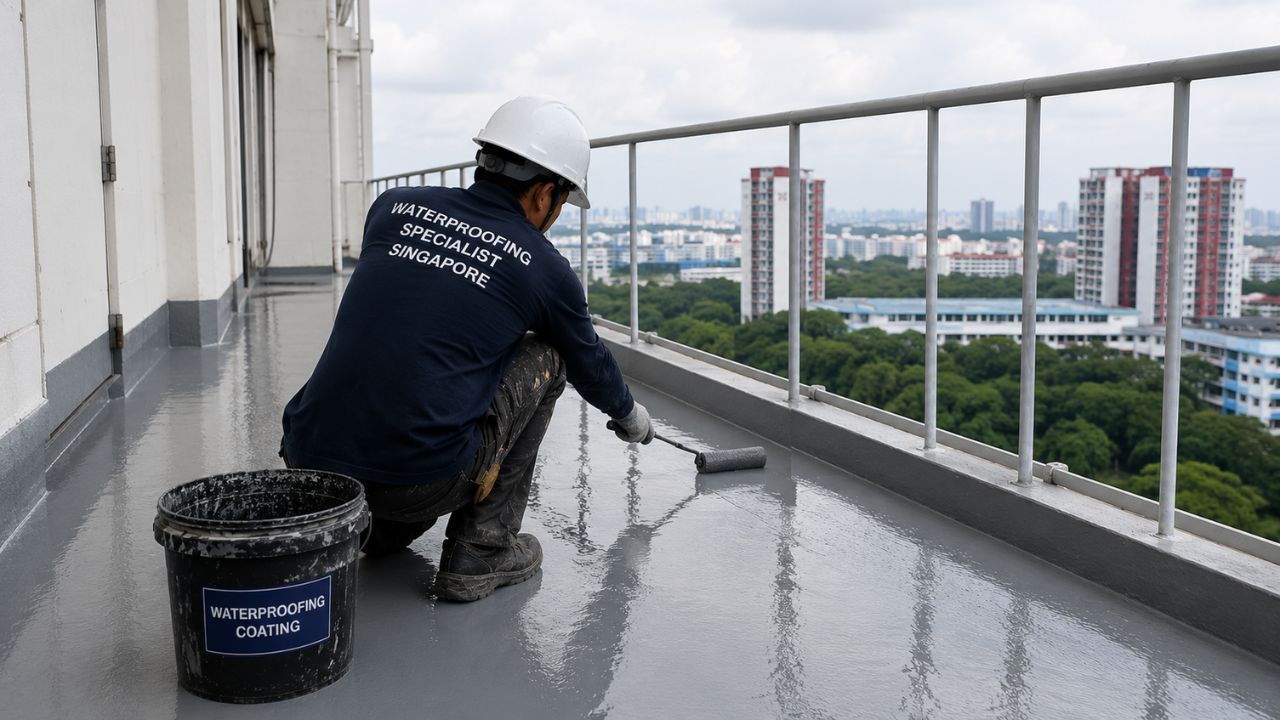
Knowing when to contact a waterproofing specialist in singapore can help property owners address moisture problems before they become more disruptive. Water stains, damp walls, mould, and recurring leaks should not be ignored. Allseal Waterproofing PTE Ltd can help property owners assess potential waterproofing concerns and identify suitable solutions.
Why Waterproofing Problems Should Not Be Ignored
Waterproofing plays an important role in protecting a building from moisture intrusion. Singapore’s frequent rainfall, high humidity, and warm climate can expose roofs, balconies, external walls, bathrooms, and other areas to moisture throughout the year.
A leak may begin as a small inconvenience. You might notice a stain after heavy rain or a damp patch near a bathroom. However, visible water is often only a symptom.
The actual source may be located somewhere else.
Water can move through concrete, cracks, joints, membranes, and other building components before appearing inside a room.
Recognising early warning signs gives property owners an opportunity to investigate the problem before moisture causes more extensive deterioration.
Here are ten signs that may indicate it is time to consult a professional.
1. Water Stains on Ceilings
One of the most obvious signs of water intrusion is a brown, yellow, or dark stain on the ceiling.
These stains may appear after rainfall or become more noticeable over time.
What Could Cause Ceiling Stains?
Possible causes include:
- Roof leakage
- Failed waterproofing
- Plumbing problems
- Water penetration from an upper floor
- Cracks or gaps in concrete
- Problems around roof drainage
A ceiling stain should not simply be painted over.
Painting may hide the visual evidence temporarily, but it does not necessarily stop the source of moisture.
A professional inspection can help determine whether the problem is related to waterproofing or another building system.
2. Damp or Wet Walls
Walls that remain damp without an obvious reason may indicate water penetration.
You may notice a darker patch, a cool or wet surface, or a section of wall that never seems to dry completely.
Persistent dampness deserves attention because moisture can gradually affect paint, plaster, finishes, and other materials.
Check Both Interior and Exterior Areas
If an interior wall is damp, the source could potentially be related to an external wall, nearby wet area, roof, balcony, plumbing system, or another location.
A waterproofing specialist in singapore can assess the surrounding conditions and investigate possible water entry points.
3. Peeling, Bubbling, or Cracked Paint
Paint deterioration is another common warning sign.
When moisture gets behind a painted surface, it can cause paint to:
- Peel
- Bubble
- Blister
- Crack
- Discolour
- Flake away
While poor paint adhesion can have several causes, recurring deterioration in a specific area may indicate moisture exposure.
Simply repainting the surface without identifying the underlying cause can result in the same problem returning.
4. Mould or Mildew Growth
Mould and mildew can develop in areas where moisture remains present.
You may notice dark spots, greenish growth, or a musty smell around damp walls, ceilings, bathrooms, balconies, or other moisture-prone locations.
Why Persistent Moisture Matters
Mould growth does not automatically prove that a waterproofing system has failed. However, recurring moisture should be investigated.
The underlying cause could involve condensation, ventilation, plumbing, drainage, or water penetration.
A professional assessment can help distinguish between these possibilities.
Allseal Waterproofing PTE Ltd can be considered when property owners need professional assistance investigating water-related building concerns.
5. A Musty or Damp Odour
Sometimes your nose notices a problem before your eyes do.
A persistent musty smell may indicate that moisture is accumulating somewhere within or around the building.
This can occur in areas with limited ventilation, concealed spaces, wall cavities, bathrooms, or locations affected by recurring water intrusion.
Do Not Mask the Smell
Using air fresheners may hide the odour temporarily, but it does not solve the underlying problem.
If a damp smell keeps returning, property owners should investigate where the moisture is coming from.
6. Water Appears After Heavy Rain
If water enters your property whenever there is heavy rainfall, the building may have an external waterproofing or drainage problem.
Common areas worth checking include:
- Roofs
- Balconies
- Terraces
- External walls
- Windows and surrounding joints
- Roof drainage areas
- Concrete surfaces
Why Rain-Related Leaks Need Attention
A property may remain completely dry during normal weather but experience leakage during intense rainfall.
This can make the issue easy to overlook.
However, repeated rain-related leakage indicates that water is finding a path into the building.
A professional inspection can help determine the likely entry point and whether waterproofing treatment is appropriate.
7. Cracks Around Wet Areas
Cracks around bathrooms, balconies, roofs, external walls, and other exposed areas should not automatically be dismissed as cosmetic.
Some cracks are superficial, while others may allow water to penetrate.
Look at the Surrounding Conditions
The location, size, pattern, and behaviour of a crack can provide useful information.
For example, a crack accompanied by dampness or recurring water stains deserves closer attention.
A qualified professional can assess whether the crack is relevant to the waterproofing problem and determine whether additional investigation is required.
8. Water Pooling on Balconies or Terraces
Balconies and terraces should generally allow water to drain effectively.
If water repeatedly remains on the surface after rainfall or cleaning, there may be a drainage or surface-related issue.
Persistent standing water can increase exposure to moisture and may contribute to deterioration of surrounding materials.
Why Balcony Waterproofing Matters
Balconies are exposed to outdoor weather conditions. Their waterproofing system must work alongside appropriate drainage and surface design.
If you repeatedly notice water accumulation, consulting a waterproofing specialist in singapore can help determine whether the problem relates to waterproofing, drainage, surface conditions, or another factor.
9. Repeated Repairs Have Not Solved the Leak
This is one of the strongest signs that professional investigation may be necessary.
Perhaps you have repaired a ceiling, resealed a surface, repainted a wall, or applied a waterproofing product, but the same leak continues to return.
Why Does the Problem Keep Coming Back?
The repair may have addressed the visible symptom rather than the underlying source.
Water can travel through building materials, making the actual entry point difficult to identify without proper assessment.
Repeated repairs can also make it harder to understand the original problem.
Instead of continuing with temporary fixes, property owners should consider a structured professional inspection.
10. Your Property Has Recurring Moisture Problems
Some buildings develop moisture problems repeatedly in the same areas.
This may happen because of ageing waterproofing systems, environmental exposure, drainage limitations, cracks, joints, construction details, or other factors.
Recurring moisture should not be treated as a normal part of owning a property.
Preventive Action Can Make a Difference
Regular inspection of vulnerable areas can help property owners recognise deterioration earlier.
This is particularly relevant for:
- Older properties
- Buildings with exposed roofs
- Properties with balconies or terraces
- Wet areas with recurring leakage
- Structures exposed to frequent rainfall
- Properties that have experienced previous waterproofing failures
Professional assessment can help determine whether maintenance or corrective waterproofing is appropriate.
How a Professional Waterproofing Specialist Can Help
When several of these signs appear, the next step is to determine the actual source of the problem.
A professional waterproofing provider can approach the issue systematically.
Inspection and Diagnosis
The first step is understanding where the water may be entering.
Professionals may examine affected surfaces, surrounding areas, cracks, joints, drainage paths, and existing waterproofing systems.
Selecting an Appropriate Solution
Once the likely cause has been identified, the appropriate waterproofing approach can be considered.
Different problems require different methods. Roof leakage may require a different treatment from bathroom or balcony waterproofing.
Proper Surface Preparation
Surface preparation is an important part of waterproofing.
Loose materials, dirt, cracks, deteriorated areas, and other surface conditions may need to be addressed before the waterproofing system is applied.
Professional Application
Correct application helps ensure that the selected waterproofing system performs as intended.
This is one reason experience and technical knowledge matter when selecting a contractor.
Why Early Professional Assessment Is Important
The longer water remains present, the greater the opportunity for surrounding materials to deteriorate.
Ignoring a small stain may not immediately create a major problem. However, recurring moisture can gradually affect surfaces and finishes.
Professional assessment does not necessarily mean that extensive waterproofing work will always be required. It simply provides property owners with better information about the condition and possible cause of the issue.
Allseal Waterproofing PTE Ltd can be considered by Singapore property owners looking for professional expertise in addressing waterproofing and water leakage concerns.
How to Choose the Right Waterproofing Professional
If you notice one or more of the warning signs above, choosing the right contractor is important.
Consider the following factors:
Relevant Experience
Look for experience with the specific type of problem affecting your property.
Proper Diagnosis
Ask how the contractor plans to identify the source of the leakage.
Clear Communication
A professional should explain the findings and proposed approach in straightforward language.
Suitable Waterproofing Methods
Ask why a particular treatment is appropriate for your building and affected area.
Quality Workmanship
Proper preparation and application are essential for long-term waterproofing performance.
Conclusion
Recognising signs such as ceiling stains, damp walls, mould, recurring rain leaks, and failed repairs can help you act before moisture problems become more disruptive. A professional waterproofing specialist in singapore can investigate the cause and recommend an appropriate approach. Allseal Waterproofing PTE Ltd can support property owners seeking professional waterproofing expertise.