

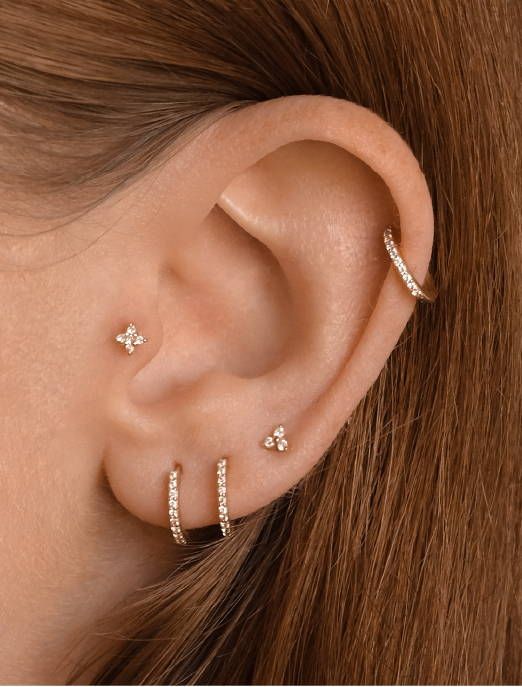
Ear piercings have become much more than a fashion choice. For many people, they represent personal milestones, creativity, confidence, and even memories attached to special moments in life. With so many placement options available today, understanding the different locations and jewelry sizes can help anyone make a more informed decision before getting pierced.
Whether you’re planning your first piercing or considering adding another one to your collection, learning about different placements can help you find a look that feels authentic to you. Many people start by exploring an ear chart for piercings to understand where each piercing sits and how multiple piercings can work together.
Why Ear Piercings Continue to Be Popular
Unlike many other forms of body modification, ear piercings offer incredible flexibility. They can be simple, bold, meaningful, or completely unique depending on the wearer’s preferences.
Different placements allow people to express themselves without saying a word. Some prefer a classic lobe piercing, while others choose cartilage placements that create a more distinctive appearance. The growing variety of jewelry styles has also contributed to the popularity of ear piercings across different age groups.
Before selecting a placement, many individuals read more about the ear piercing chart to better understand the anatomy of the ear and the available options.
Understanding Common Ear Piercing Placements
Every section of the ear offers different possibilities for piercing. The location you choose can affect healing time, jewelry selection, and overall appearance.
Lobe Piercing
The lobe is the soft lower part of the ear and remains one of the most common places for a piercing. It generally heals faster than cartilage piercings and offers the widest selection of jewelry styles.
Upper Lobe Piercing
Positioned slightly above the traditional lobe piercing, this placement creates opportunities for layered jewelry combinations.
Helix Piercing
Located along the outer cartilage rim, helix piercings are popular among those seeking a noticeable yet versatile look.
Forward Helix Piercing
This piercing sits on the front portion of the upper ear where the cartilage curves toward the face.
Tragus Piercing
The tragus is the small piece of cartilage that partially covers the ear canal. Many people choose this placement for its distinctive appearance.
Conch Piercing
Placed in the central cartilage area of the ear, conch piercings can accommodate various jewelry styles depending on the desired look.
Daith Piercing
Located in the innermost cartilage fold, the daith has become increasingly popular due to its unique placement.
Rook Piercing
This piercing passes through the upper inner cartilage ridge, creating an eye-catching addition to curated ear arrangements.
When exploring options, many people review all ear piercings chart resources to compare placement possibilities before making a final decision.
Choosing the Right Combination
One of the most exciting aspects of ear piercing is the ability to create combinations that reflect individual preferences. Some people prefer symmetry, while others enjoy mixing different placements to create a more personalized arrangement.
A carefully planned ear setup often starts with understanding the available locations. This is why many enthusiasts discover the meaning behind the types of ear piercing chart illustrations commonly used by piercers and jewelry specialists.
Popular combinations include:
- Double lobe piercings
- Triple lobe arrangements
- Helix and lobe combinations
- Conch with helix pairings
- Tragus and lobe combinations
- Curated cartilage collections
The goal is not simply to follow trends but to choose placements that feel comfortable and meaningful.
The Importance of Jewelry Sizing
Placement is only one part of the process. Selecting the correct jewelry size is equally important for comfort and healing.
Jewelry dimensions can vary based on the location of the piercing and individual anatomy. Wearing jewelry that is too small may create pressure, while oversized pieces may cause unnecessary movement during healing.
Many first-time clients learn about the symbolism of the ear piercing size chart alongside practical sizing information because jewelry dimensions often influence both appearance and comfort.
Common sizing considerations include:
- Post length
- Gauge thickness
- Hoop diameter
- Cartilage thickness
- Healing space requirements
Consulting a professional piercer is always recommended when selecting jewelry sizes for new or existing piercings.
How Ear Piercings Reflect Personality
Although there are no strict rules, people often associate certain piercing styles with different personality traits and preferences.
For example:
- Single lobe piercings are often chosen by those who appreciate simplicity.
- Multiple lobe piercings can reflect creativity and individuality.
- Cartilage piercings may appeal to those who enjoy experimenting with personal style.
- Curated ear projects often attract people who enjoy thoughtful self-expression.
Of course, every piercing tells a different story depending on the person wearing it.
Those researching new placements often read more about the ear piercing types chart to explore how different arrangements can complement their existing piercings.
Planning Before Getting Pierced
Before booking an appointment, it is helpful to consider several factors:
Lifestyle
Certain placements may require additional care during healing, especially for people who regularly wear headphones or participate in sports.
Pain Tolerance
Different parts of the ear contain varying amounts of cartilage, which may affect the piercing experience.
Healing Time
Lobe piercings generally heal more quickly than cartilage piercings. Understanding healing expectations can help avoid frustration during aftercare.
Future Styling Plans
Many people begin with one piercing but later decide to expand their collection. Reviewing an all ear piercing chart beforehand can help create a long-term vision for future additions.
Finding Reliable Information
With so much information available online, it’s important to rely on reputable sources when researching piercings. Professional piercers, educational resources, and trusted jewelry specialists can provide valuable insights about placement, sizing, and aftercare.
For readers interested in exploring detailed placement visuals and educational information, Antiquecut offers helpful resources that explain different ear piercing locations and jewelry considerations.
Final Thoughts
Ear piercings provide a unique way to express personality, celebrate important moments, and create a look that feels truly personal. From classic lobe piercings to intricate cartilage arrangements, every placement contributes to an individual’s story.
Whether you’re comparing an ear piercing chart, reviewing ear piercing charts, studying a types of ear piercing chart, or exploring an all ear piercing chart, understanding your options can make the entire experience more enjoyable and informed. With thoughtful planning, proper sizing, and professional guidance, ear piercings can become a meaningful form of self-expression that evolves alongside your personal style.