

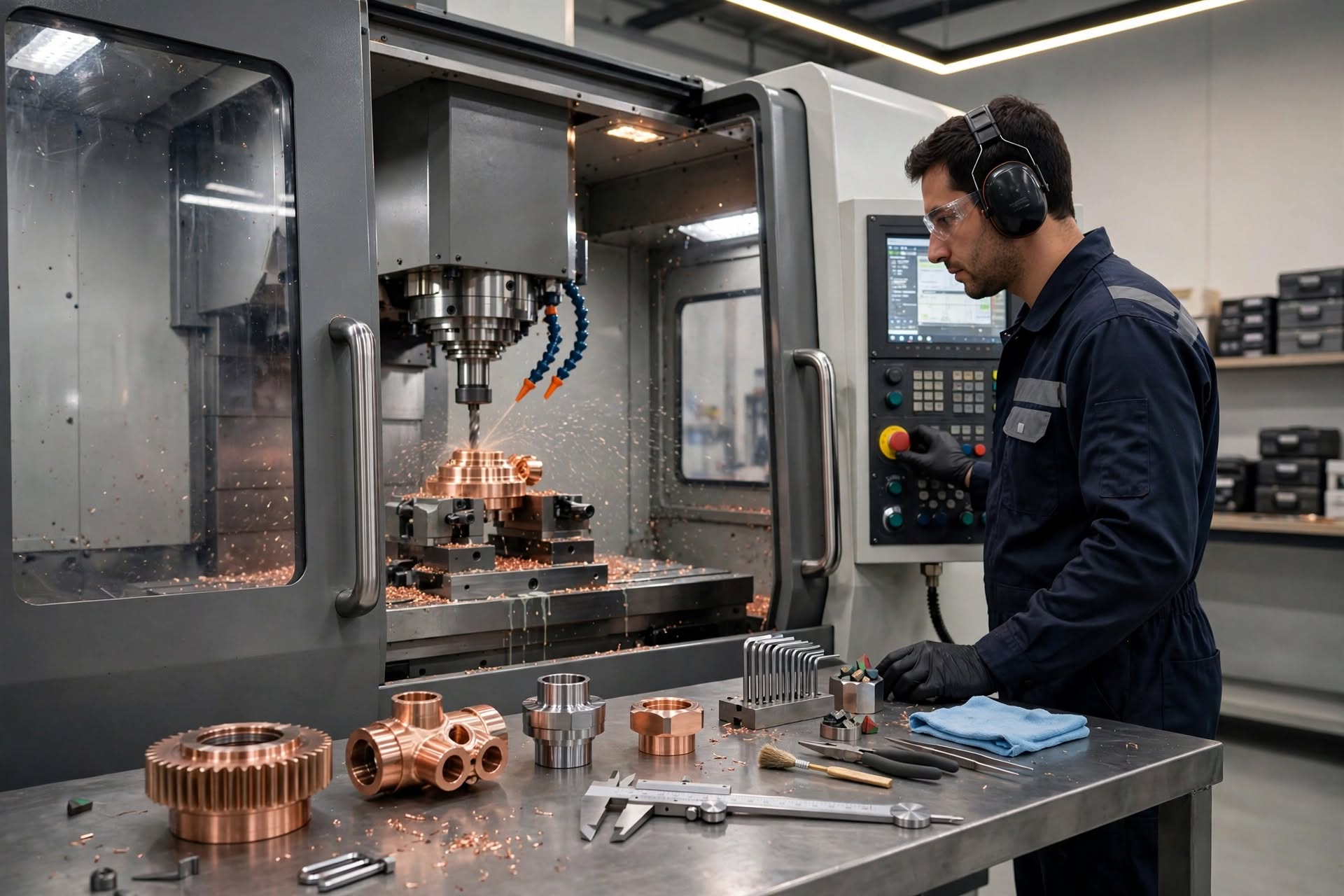
Choosing a CNC precision machining company involves more than finding a supplier that can cut metal. The parts must match the design, fit the intended assembly, and meet the required dimensions and material specifications. When machinery also depends on accurate spacing and alignment, precision-machined components and correctly sized shims can work together to support reliable installation and maintenance.
Turning Technical Drawings into Accurate Components
CNC machining uses computer-controlled equipment to remove material from a workpiece and produce a component according to a defined design. This approach is useful for parts that require specific dimensions, carefully formed features, or consistent results across repeated production runs. CNC milling and turning are two important processes, with the appropriate method depending on the component’s shape and design requirements.
Milling uses rotating cutting tools to remove material from a stationary or positioned workpiece. It is suitable for producing flat surfaces, pockets, slots, and other detailed features. Turning rotates the workpiece against a cutting tool and is commonly used for cylindrical components such as shafts, sleeves, and similar parts.
Before requesting a quotation, prepare the following information:
- A technical drawing, CAD file, sketch, or physical sample.
- The required material, quantity, and important dimensions.
- Tolerance requirements and any necessary surface-finish details.
Providing these details early helps the manufacturer assess the job and identify questions before production begins. It can also reduce misunderstandings about what is included in the finished component.
Selecting Materials and Machining Methods for the Job
Material selection affects how a part is machined and how it performs in its intended environment. Genesis MFG’s precision manufacturing services cover materials including aluminium, carbon steel, stainless steel, titanium, brass, and copper, as well as selected engineering plastics. The right option depends on the component’s design and operating requirements rather than appearance alone.
For example, aluminium may suit applications where lower component weight is important, while stainless steel may be considered when corrosion resistance is a priority. Brass and copper have different properties that can make them appropriate for particular electrical, thermal, or mechanical applications. The final choice should follow the actual requirements of the part.
A practical review should consider three connected factors:
- Material suitability: confirm that the selected material fits the intended application.
- Design and geometry: identify holes, slots, curved surfaces, and other features that affect machining.
- Dimensional requirements: specify which dimensions and tolerances are critical to assembly or operation.
These checks help establish a realistic manufacturing plan. They also give the supplier a better understanding of the finished component instead of leaving important decisions until machining has started.
Using Shim Stock for Accurate Spacing and Alignment
Machined components are not always the only parts needed to complete an installation. Some assemblies require thin metal shims to correct small gaps, adjust spacing, or align equipment during installation and maintenance. In these situations, selecting suitable shim material and thickness is an important part of the overall specification.
Shim stock is thin metal sheet or foil produced in controlled thicknesses. It can be cut into pieces that fit between adjoining surfaces, allowing technicians to make adjustments without redesigning the main component. Common applications include pump and motor bases, gearboxes, bearings, turbines, and other machinery that requires careful positioning.
Customers sourcing shim stock UAE can consider different product forms according to how the shims will be used. Sheet and roll material may suit teams that cut their own pieces, while pre-cut slotted shims can be fitted around bolts without removing the equipment. Custom shim plates can be manufactured with specified outlines, holes, and slots.
To specify a custom shim accurately, provide:
- The required thickness and overall dimensions.
- The hole positions, slot shapes, and outside profile.
- The material and the quantity needed.
A drawing is helpful, but a physical sample or clear dimensions can also provide a starting point for reviewing requirements. Matching the shim to the actual installation helps avoid problems caused by incorrect thickness or an unsuitable shape.
Checking Specifications Before Production and Delivery
Accuracy depends on more than the machining equipment. The manufacturer also needs clear requirements, suitable materials, and checks that compare the finished part with the approved design. If dimensions are incomplete or tolerances are unclear, even a carefully machined component may not fit the intended assembly.
Before production, review the drawing with the supplier and identify the dimensions that matter most. These may include a shaft diameter, hole position, slot width, component thickness, or the distance between mounting surfaces. It is also useful to confirm the required quantity and whether the order is for a prototype, a replacement part, or a repeat production run.
For shims, the review should pay particular attention to thickness, flatness, and the location of holes or slots. A shim that is too thick may alter alignment, while an incorrectly positioned slot can make installation difficult. Confirming these details before cutting can prevent avoidable adjustments later.
Conclusion
A successful precision-machining project starts with a clear drawing, a suitable material, and a manufacturing process matched to the component’s geometry. When installation also requires accurate spacing or alignment, the correct shim dimensions and material are equally important. Businesses comparing a CNC precision machining company can prepare their drawings, tolerances, quantities, and application details before requesting a review. For projects involving shim stock UAE, Genesis MFG offers machining and shim-related manufacturing services from Sharjah. Sharing the relevant specifications is a practical first step toward identifying a suitable production solution.
FAQs
1. What does a CNC precision company produce?
It produces components using computer-controlled machining processes such as milling and turning. Parts are manufactured according to the supplied design, dimensions, material, and tolerance requirements.
2. What information is needed for a machining quotation?
A drawing, CAD file, sketch, or sample is useful. Customers should also provide the material, quantity, important dimensions, tolerances, and any required surface finish.
3. What is shim stock used for?
Shim stock is thin material cut into shims to fill gaps, adjust spacing, and align machinery. It can be used around pump bases, motors, gearboxes, bearings, and other assemblies.
4. Can custom shims be made to a drawing?
Yes. Custom shims can be specified by thickness, material, dimensions, holes, slots, and outline. A drawing, sample, or clear measurements can help define the required shape.
5. Which materials are available for shims?
Available options include stainless steel, carbon or spring steel, brass, and other metals, depending on the required product. Material selection should reflect the application and operating environment.