

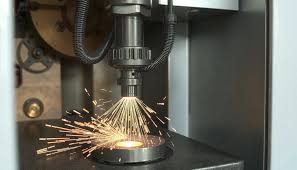
CNC machining is one of the most widely used manufacturing processes for producing precise parts in industries like automotive, aerospace, medical, and electronics. However, pricing is not fixed, and many businesses often ask: how much does CNC machining cost for their specific project? The answer depends on multiple variables, from material choice to design complexity.
Understanding these factors can help you estimate costs more accurately and optimize your designs to stay within budget.
Overview of CNC Machining Costs
When trying to understand how much does CNC machining cost, the first thing to know is that there is no standard price. Costs typically range from a few dollars for simple plastic parts to hundreds or even thousands of dollars for complex metal components.
Pricing is usually calculated based on machine time, material usage, and labor involvement.
Key factors in basic cost structure:
- Machine operating time (per hour rate)
- Material consumption
- Setup and programming time
- Tool wear and maintenance
CNC machining is a subtractive process, meaning material is removed from a solid block. The longer a machine runs, the higher the cost becomes. Simple designs take less time, while intricate geometries increase production hours.
Ultimately, understanding the base pricing model helps answer the question of how much does CNC machining cost before diving into more specific variables.
Material Type and Its Impact on Cost
One of the biggest cost drivers in CNC machining is the material used. Different materials have different machining speeds, tool wear rates, and availability, all of which influence pricing.
If you’re wondering how much does CNC machining cost, material selection is often the starting point for estimating expenses.
Common material cost influences:
- Aluminum is cheaper and easier to machine
- Stainless steel requires more time and tool wear
- Titanium is expensive and slow to machine
- Plastics are generally the most cost-effective
Harder materials require slower cutting speeds and more durable tooling, which increases machine time and operational costs. Softer materials, on the other hand, reduce production time and overall cost.
In short, material choice can significantly shift the answer to how much does CNC machining cost, sometimes doubling or even tripling the price depending on selection.
Machine Type and Part Complexity
Machine type and part complexity are major contributors when calculating how much does CNC machining cost. Advanced multi-axis machines can produce highly detailed parts but usually come at a higher hourly rate.
The complexity of a design directly affects machining time and programming effort.
Factors affecting machine and complexity cost:
- 3-axis vs 5-axis machining differences
- Intricate geometries requiring special tooling
- Tight tolerances and precision requirements
- Multiple setups for a single part
Simple parts can be produced quickly on basic machines, reducing cost significantly. However, complex components require more advanced machines and longer programming time.
As complexity increases, so does the answer to how much does CNC machining cost, since both labor and machine usage increase.
Labor, Design, and Engineering Factors
Labor and engineering effort also play a key role in determining how much does CNC machining cost. Skilled machinists and engineers are required to program, set up, and inspect parts for quality assurance.
Design optimization can greatly reduce unnecessary costs.
Key labor-related cost factors:
- CAD/CAM programming time
- Setup and calibration labor
- Quality inspection and testing
- Design modifications for manufacturability
Poorly designed parts may require additional setups or machining steps, increasing labor time and costs. On the other hand, optimized designs reduce production complexity and improve efficiency.
Therefore, when evaluating how much does CNC machining cost, labor and design efficiency are just as important as material and machine choice.
Production Volume, Finishing, and Shipping Costs
Production volume and post-processing requirements also heavily influence how much does CNC machining cost. Larger production runs typically reduce per-unit costs due to economies of scale.
Finishing processes and logistics further affect the final price.
Cost-impacting factors in this stage:
- Small batches vs mass production pricing
- Surface finishing (polishing, anodizing, coating)
- Heat treatment or secondary processing
- Packaging and shipping costs
Higher volume orders spread setup costs across more units, reducing overall cost per part. However, additional finishing processes can significantly increase total expenses depending on quality requirements.
When considering how much does CNC machining cost, it’s important to factor in both production scale and post-processing needs.
Conclusion
So, how much does CNC machining cost? The answer depends on multiple interconnected factors including material type, machine complexity, labor requirements, and production volume. Simple parts made from soft materials in large batches may cost very little per unit, while complex precision components made from hard metals can be significantly more expensive.
By understanding these cost drivers, businesses can make smarter design choices, optimize production efficiency, and better control manufacturing budgets.