

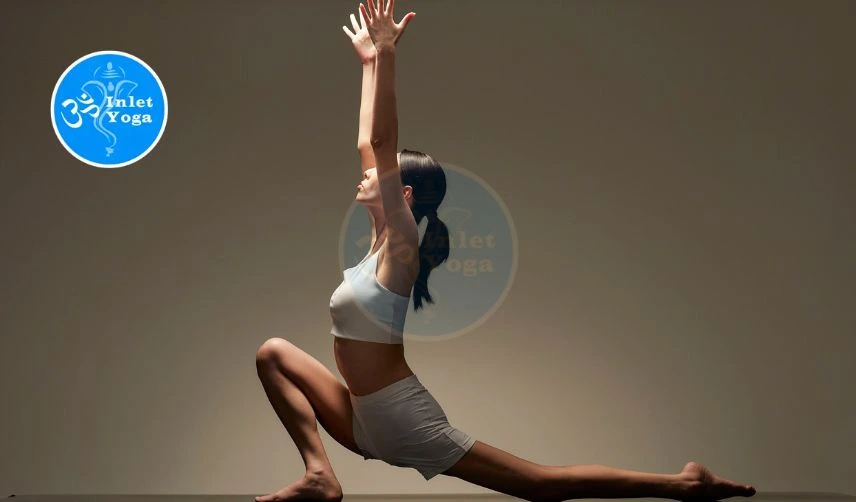
Explore yoga for healthy aging with gentle movement that may support balance, mobility, strength, and everyday confidence after 50 in a supportive class space!
How Does Yoga for Healthy Aging Make Everyday Life Easier After 50?
Yoga for Healthy Aging can make everyday life easier by supporting movement, balance, flexibility, strength, and stress management. It is not about doing advanced poses. It is about maintaining the confidence to move, bend, reach, stand, and recover comfortably.
The most helpful practice is usually gentle, consistent, and adapted to your current needs. For adults over 50, yoga can be a valuable part of a wider activity routine that also includes aerobic, muscle-strengthening, and balance-based movement.
Aging Well Is About More Than Exercise
After 50, everyday movement starts to matter more practically. Getting up from a chair, carrying groceries, reaching a high shelf, looking over your shoulder while driving, or walking confidently on uneven ground all require mobility, strength, and balance.
That is where yoga can feel useful. It gives you intentional time to move through different positions, notice stiffness, and build greater awareness of how your body feels.
You do not need to become more flexible than everyone else in the room. The goal is to keep doing the daily activities that help you feel independent, capable, and connected to your life.
How Yoga for Healthy Aging Supports Everyday Movement
A regular practice does not guarantee that every ache disappears. However, gentle movement can help you maintain habits that support mobility, balance, relaxation, and body awareness over time.
National health guidance notes that yoga may support general wellness, including balance, strength, sleep, and stress management. Older adults should prioritize safe instruction and appropriate modifications.
Standing Up and Sitting Down With More Control
Many yoga poses involve slowly moving from standing to seated positions and back again. This can help you practice body control rather than rushing through transitions.
Chair-based options, supported squats, and slow standing poses can be especially useful for building confidence with everyday movements. The focus should always be stability and comfort, not depth or speed.
Better Balance for Everyday Confidence
Balance is not only about standing on one foot in class. It affects how confident you feel when stepping off a curb, climbing stairs, walking on sand, or moving through a crowded space.
Yoga can include simple balance work that is adjusted to your ability. Holding a wall, chair, or block is not “cheating.” It is a smart way to practice safely.
Mobility for Reaching, Turning, and Bending
Stiff hips, shoulders, and upper backs can make ordinary tasks feel harder than they should. Gentle yoga movements can encourage a comfortable range of motion through areas that may feel tight after sitting, driving, or repeating the same daily routines.
The right approach is gradual. A helpful stretch should feel manageable, not sharp, forced, or painful.
A Calmer Way to Handle Daily Stress
Healthy aging is not only physical. Many people over 50 are balancing work changes, caregiving, family responsibilities, sleep disruption, or major life transitions.
Yoga gives you a structured pause. Breathing, slower movement, and final relaxation can help create space between a stressful day and your response to it. Research reviewed by NCCIH suggests yoga may support stress management, mental well-being, sleep, and balance.
What Type of Yoga Is Best After 50?
There is no one perfect class for every adult over 50. Someone active at 52 may want a different experience than someone returning to movement at 70.
The best option is a class that matches your current mobility, confidence, energy level, and health needs. Start with an instructor who offers clear guidance and modifications.
Gentle Yoga
Gentle Yoga is often a comfortable starting point because the pace is slower and the movements are easier to adapt. It may include simple standing postures, seated stretches, breathwork, and supported rest.
This is a strong choice for people who want to begin moving again without feeling pressured to keep up with a fast class.
Restorative Yoga
Restorative Yoga uses props such as bolsters, blankets, and blocks to support the body in restful positions. It is less focused on effort and more focused on relaxation.
This style may appeal to adults who feel mentally tired, physically tense, or overwhelmed by more demanding workouts.
Chair Yoga and Supported Practice
Yoga for seniors does not always need to happen entirely on a mat. Chair Yoga and supported poses can make movement more accessible for people with limited mobility, balance concerns, or difficulty getting down to and up from the floor.
NCCIH specifically notes that chair yoga can be a gentler option for seniors with limited mobility.
A Simple Weekly Approach
Yoga for Healthy Aging works best when it becomes a sustainable part of your week, not another difficult goal to maintain.
|
Everyday Goal |
Helpful Yoga Focus |
Practical Starting Point |
|
Feel less stiff after sitting |
Gentle stretches for hips, shoulders, and spine |
One or two low-intensity classes weekly |
|
Improve confidence while moving |
Supported standing and balance poses |
Use a wall, chair, or block when needed |
|
Reduce daily tension |
Breathwork and Restorative Yoga |
Add a short evening practice |
|
Build a steady wellness habit |
Beginner-friendly group classes |
Choose the same class time each week |
Yoga can complement walking, strength training, swimming, or other activities. Adults 65 and older are encouraged to include aerobic, muscle-strengthening, and balance activities throughout the week, so yoga is best viewed as part of a balanced movement plan.
How to Start Without Overdoing It
The biggest mistake is trying to match someone else’s flexibility or pace. A good practice should challenge you gently while still allowing you to breathe comfortably and move with control.
Start with one or two classes per week. Give your body time to adjust, and choose consistency over intensity.
Tell your instructor about injuries, recent surgery, balance concerns, or health conditions that affect movement. Older adults and people with health conditions may need pose modifications, and qualified instruction can help reduce unnecessary risk.
What to Look for in a Class
Choose a class that offers:
- Clear verbal instructions
- Beginner-friendly options
- Props and supported variations
- A pace that allows time to transition
- Teachers who welcome questions
- A comfortable, non-competitive environment
For many people, Yoga for seniors feels most rewarding when the class focuses on confidence and function rather than difficult poses.
Find a Practice That Supports the Life You Want to Keep Living
The real value of Yoga for Healthy Aging is not measured by difficult poses. It is measured by how confidently and comfortably you can move through everyday life.
Start slowly, choose supportive classes, and focus on consistency over intensity. A gentle routine can help you maintain mobility, balance, strength, and a greater sense of well-being over time.
Ready to Begin?
Choose a beginner-friendly or gentle yoga class that matches your current comfort level. Give yourself space to learn, use modifications when needed, and build a routine that feels sustainable.
Author Bio
A professional yoga trainer and wellness educator with experience supporting adults through mindful movement, breathwork, balance, flexibility, and safe alignment. Their approach helps beginners and long-term practitioners build practical routines that support confidence, mobility, and everyday well-being.
Frequently Asked Questions
Is yoga safe for adults over 50?
Yoga can be a safe form of movement when it is practiced with appropriate guidance and modifications. Speak with your healthcare provider and instructor if you have a medical condition, pain, or mobility concern.
How often should seniors do yoga?
Many people begin with one or two classes each week and increase gradually if their body responds well. Consistency matters more than long or difficult sessions.
Can yoga improve balance after 50?
Yoga may support balance by practicing controlled standing movements, body awareness, and stable transitions. Use a chair, wall, or other support whenever needed.
Is Chair Yoga effective for seniors?
Chair Yoga can be a practical option for people who prefer more support or have limited mobility. It allows participants to work on movement, breathing, and gentle strength without needing to get onto the floor.
What should I wear to a beginner yoga class?
Wear comfortable clothing that allows you to move easily without feeling restricted. You do not need expensive gear; a water bottle and a willingness to move slowly are enough to begin.
Can I start yoga if I am not flexible?
Yes. Flexibility is not a requirement for yoga; it can be one result of regular practice. Choose a beginner-friendly class and use props or modifications when they help you feel more comfortable.