

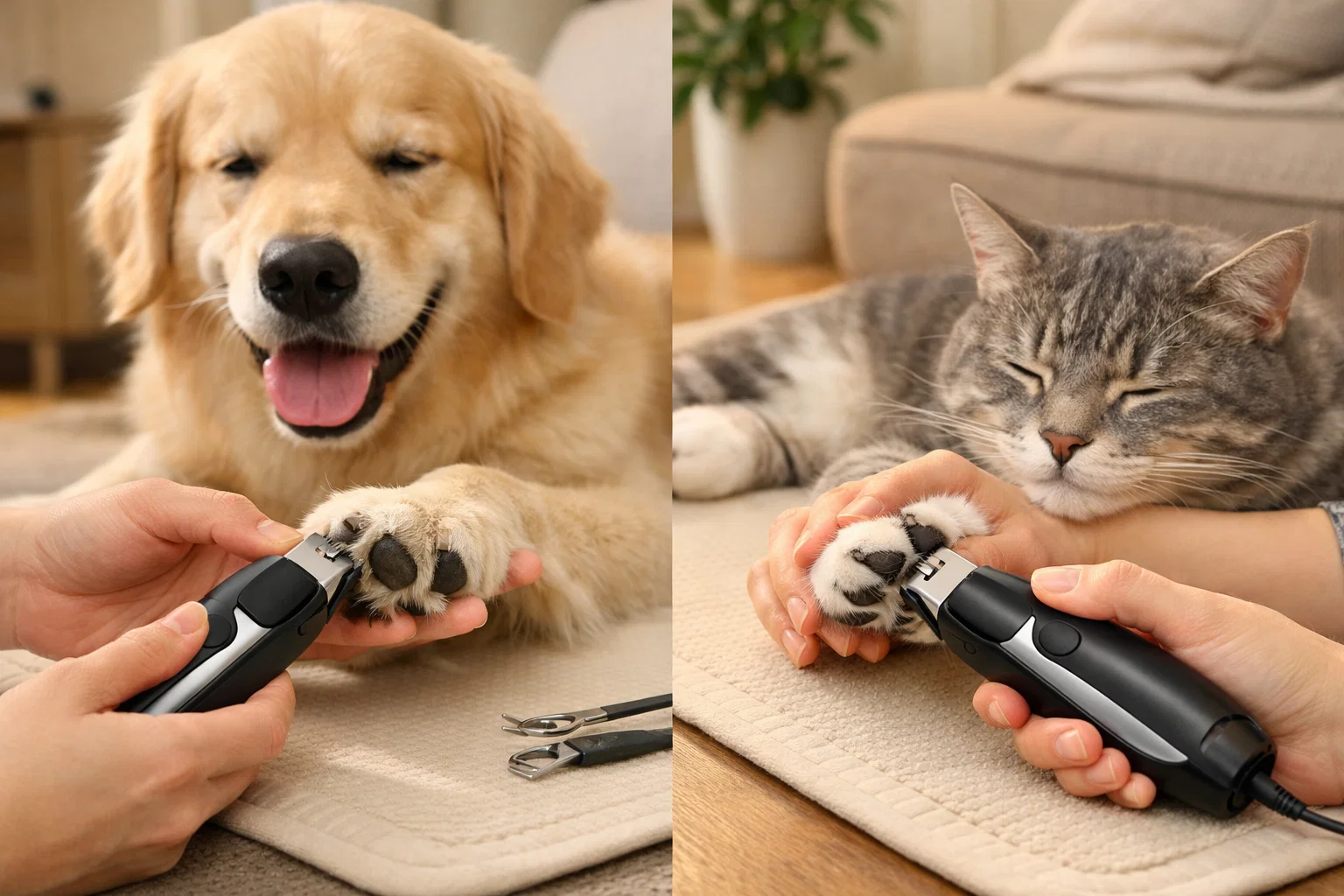
Cats are famous for keeping themselves clean. If you’ve ever watched your cat spend several minutes grooming after a meal or a nap, you know just how much time they dedicate to their coat. While cats are excellent self-groomers, they still need a little help from their owners to keep their fur healthy, comfortable, and free from tangles.
Regular grooming is about much more than appearance. It helps reduce loose hair around the home, prevents mats from forming, and allows owners to notice changes in their cat’s skin or coat before they become bigger concerns. One grooming tool that has become increasingly popular among pet owners is the cat hair trimmer. Whether you have a long-haired Persian, a fluffy Maine Coon, or even a short-haired domestic cat, using the right grooming tools can make maintaining your cat’s coat easier and less stressful.
A quality Pet Hair Trimmer is not designed to replace brushing or professional grooming. Instead, it complements a complete grooming routine by helping owners safely trim excess fur in areas that are difficult to maintain with scissors alone.
This guide explains why every cat parent should understand the benefits of trimming, how to groom safely at home, and why proper coat maintenance contributes to a healthier and happier cat.
Why Grooming Matters for Every Cat
Many people believe grooming is only necessary for long-haired breeds.
The truth is that every cat benefits from regular grooming.
A healthy grooming routine helps:
- Remove loose fur
- Reduce shedding
- Prevent tangles
- Keep the coat clean
- Support healthy skin
- Improve comfort
Grooming also gives owners an opportunity to check for small cuts, skin irritation, parasites, or unusual lumps that might otherwise go unnoticed.
Regular attention to your cat’s coat strengthens the bond between you and your pet while supporting overall health.
Understanding Your Cat’s Coat
Not all cats have the same type of fur.
Different breeds have different grooming needs.
For example:
Short-Haired Cats
Short-haired cats usually shed throughout the year but rarely develop severe mats.
Routine brushing and occasional trimming around problem areas may be enough.
Medium-Haired Cats
These cats benefit from more frequent grooming because loose undercoat hair can begin to tangle.
Long-Haired Cats
Long-haired breeds require the most maintenance.
Without regular grooming, mats can develop behind the ears, under the legs, around the tail, and on the belly.
In these situations, a cat hair trimmer can become a helpful part of routine coat care.
Common Grooming Challenges Cat Owners Face
Every cat owner eventually encounters one or more grooming challenges.
These include:
- Seasonal shedding
- Small mats
- Knotted fur
- Hair around the paws
- Fur collecting debris
- Sensitive grooming areas
Cats are naturally flexible, but certain parts of their body are difficult for them to groom effectively.
Older cats, overweight cats, and cats with mobility issues may struggle even more.
Helping them maintain these areas improves comfort.
Why Loose Fur Can Become a Problem
Cats naturally shed old hair as new hair grows.
During seasonal coat changes, shedding often increases.
Excess loose fur can lead to:
- Hair around the home
- More frequent vacuuming
- Hairballs
- Matted fur
- Coat discomfort
Regular brushing removes much of this loose hair.
A Pet Hair Trimmer may also help manage longer sections of fur that easily trap loose hair.
What Is a Cat Hair Trimmer?
A cat hair trimmer is a grooming tool designed to trim sections of a cat’s coat safely and evenly.
Unlike household scissors, trimmers allow more controlled grooming while reducing the chance of uneven cuts.
Many modern trimmers are designed with features such as:
- Low-noise operation
- Cordless convenience
- Lightweight construction
- Adjustable trimming lengths
- Comfortable grip
These features can make grooming easier for both cats and owners.
How a Pet Hair Trimmer Supports Home Grooming
Home grooming has become increasingly popular because it allows owners to maintain their pet’s coat between professional grooming appointments.
A Pet Hair Trimmer helps owners manage areas that may require occasional maintenance without attempting a full haircut.
Examples include:
- Fur around the paws
- Areas near the tail
- Small mats
- Long feathering
- Hygiene trimming
Using the correct grooming tool helps make these tasks more manageable.
Benefits of Regular Coat Maintenance
Consistent grooming offers many advantages.
These include:
Healthier Skin
Removing excess fur improves airflow through the coat.
Better Comfort
Cats feel more comfortable when heavy mats and tangled fur are removed.
Cleaner Coat
Regular grooming helps reduce trapped dirt and debris.
Reduced Hairballs
Removing loose hair before cats swallow it during self-grooming may help reduce hairball formation.
Easier Home Cleaning
Managing shedding at its source means less loose fur on furniture, clothing, and carpets.
Why Cats Prefer Calm Grooming Sessions
Cats respond well to predictable routines.
Instead of waiting until mats become severe, short and regular grooming sessions are often much easier.
Successful grooming sessions usually include:
- Quiet surroundings
- Gentle handling
- Positive reinforcement
- Frequent breaks
- Patience
Introducing a cat hair trimmer gradually helps many cats become more comfortable with the grooming process.
Choosing the Right Time to Groom
Timing makes a big difference.
Many cats are more relaxed:
- After eating
- Following playtime
- During quiet evenings
- After a nap
Trying to groom an energetic or anxious cat may create unnecessary stress.
Watching your cat’s mood helps determine the best grooming time.
Areas That Often Need Extra Attention
Certain parts of a cat’s body naturally collect more tangles.
These include:
- Behind the ears
- Under the front legs
- Around the back legs
- Under the belly
- Near the tail
- Around the paws
Owners should always groom these areas carefully because the skin may be more delicate.
A Pet Hair Trimmer designed for precision can make trimming these sections easier than using ordinary scissors.
Building a Positive Grooming Routine
Cats thrive on routine.
Instead of treating grooming as an occasional chore, make it a regular part of your pet’s care schedule.
A simple routine might include:
- Brushing the coat.
- Checking for tangles.
- Inspecting the skin.
- Trimming only when necessary.
- Rewarding your cat afterward.
Positive experiences help cats associate grooming with comfort rather than stress.
Grooming Strengthens Your Bond
Grooming isn’t only about maintaining a beautiful coat.
It also creates valuable one-on-one time between you and your cat.
Gentle handling builds trust and helps cats become more comfortable being touched around sensitive areas.
Over time, regular grooming sessions often become a calming routine that both owner and pet recognize.
When approached patiently, grooming becomes another way to care for your cat’s physical and emotional well-being.
How to Introduce a Cat Hair Trimmer to Your Cat
Cats are naturally cautious around unfamiliar objects, especially those that make noise or vibrate. Introducing a cat hair trimmer slowly can make the grooming experience much more comfortable for both you and your pet.
Begin by allowing your cat to investigate the trimmer while it is turned off. Let them sniff it and become familiar with its appearance. Reward calm behavior with praise or a favorite treat.
Once your cat seems comfortable, switch the trimmer on for a few seconds without attempting to groom. The goal is simply to help your cat become familiar with the sound. Many modern grooming tools operate with low-noise motors, making this step much easier.
Gradually increase the amount of time the trimmer is running before using it on your cat.
Patience always produces better results than rushing the process.
Preparing for a Grooming Session
A little preparation makes grooming safer and more enjoyable.
Before you begin, gather everything you need:
- A soft brush
- A clean towel
- Grooming treats
- Good lighting
- Your Pet Hair Trimmer
Choose a quiet room where your cat feels comfortable.
Reducing distractions helps your cat remain relaxed throughout the session.
Brush Before You Trim
Many owners make the mistake of trimming before brushing.
Brushing first helps:
- Remove loose fur
- Identify mats
- Untangle small knots
- Lift the coat evenly
This allows the cat hair trimmer to move through the coat more smoothly.
Brushing also helps you determine whether a tangle can be removed with gentle combing or requires trimming.
Trim Small Sections at a Time
Trying to groom an entire cat in one session often creates unnecessary stress.
Instead, work slowly.
Trim one small section before allowing your cat to rest.
Short grooming sessions are usually more successful than long ones.
Many cats tolerate five to ten minutes of grooming much better than thirty minutes at once.
Areas That Require Extra Care
Some parts of your cat’s body have thinner, more delicate skin.
These include:
- Under the legs
- Around the stomach
- Near the tail
- Between the paw pads
Always move slowly in these areas.
Using a Pet Hair Trimmer with precision attachments can provide greater control while reducing the chance of accidental pulling.
Why Mats Should Never Be Ignored
Small tangles can quickly become tight mats if left untreated.
Matted fur may:
- Pull on the skin
- Cause discomfort
- Trap dirt
- Reduce airflow
- Restrict movement
Severe mats should never be ripped or cut aggressively.
Instead, work patiently around the affected area.
If the mat sits very close to the skin, professional grooming may be the safest option.
Seasonal Grooming Matters
Cats usually shed more heavily during seasonal coat changes.
Spring often brings increased shedding as winter coats become lighter.
Autumn may also produce noticeable changes.
During these periods:
- Brush more frequently.
- Check for tangles daily.
- Remove loose fur regularly.
- Monitor areas prone to matting.
A cat hair trimmer can help manage thick areas that become difficult to maintain during heavy shedding seasons.
Long-Haired Cats Need Extra Attention
Breeds with long coats generally require more frequent grooming.
Long hair tends to collect:
- Dust
- Loose undercoat
- Plant material
- Small tangles
Without regular maintenance, these can quickly become mats.
Owners of long-haired cats often establish weekly grooming routines to keep coats healthy throughout the year.
Grooming Senior Cats
Older cats often groom themselves less effectively.
Arthritis, reduced flexibility, and lower energy levels can make self-grooming difficult.
As a result, senior cats may develop:
- Greasy coats
- Knotted fur
- Excess shedding
- Small mats
Gentle assistance from their owner helps keep them comfortable.
Using a Pet Hair Trimmer only where necessary can reduce discomfort without requiring extensive grooming sessions.
Grooming Helps You Notice Health Changes
Regular grooming gives owners an excellent opportunity to monitor their cat’s overall condition.
While brushing or trimming, you may notice:
- Dry skin
- Fleas
- Ticks
- Lumps
- Scratches
- Hair loss
- Skin irritation
Finding these changes early allows you to consult your veterinarian before problems become more serious.
Common Grooming Mistakes to Avoid
Many first-time owners unintentionally make grooming more difficult.
Common mistakes include:
Grooming Too Quickly
Moving too fast may frighten your cat.
Slow movements build trust.
Skipping Regular Brushing
Brushing prevents many grooming problems before trimming becomes necessary.
Forcing an Unwilling Cat
If your cat becomes stressed, pause and try again later.
Ignoring Body Language
Watch for signs such as:
- Flattened ears
- Flicking tail
- Growling
- Hissing
- Attempts to leave
These signals indicate your cat needs a break.
Creating Positive Associations
Cats remember experiences.
Positive grooming sessions make future grooming much easier.
After each session:
- Offer praise.
- Give a favorite treat.
- Spend time playing together.
Positive reinforcement helps build long-term trust.
Keeping Grooming Equipment Clean
Cleaning grooming tools is just as important as grooming itself.
After each session:
- Remove trapped fur.
- Wipe blades clean.
- Store tools in a dry location.
- Inspect attachments for damage.
Clean equipment performs better and helps maintain proper hygiene.
When Professional Grooming Is Helpful
Home grooming works well for routine maintenance.
However, professional groomers may be helpful when:
- Mats become severe.
- Your cat becomes extremely stressed.
- Large areas require trimming.
- Special coat care is needed.
Home grooming and professional grooming often complement one another rather than replace each other.
Why Consistency Is Better Than Occasional Grooming
Many owners wait until grooming becomes absolutely necessary.
Unfortunately, this often means dealing with larger tangles and more difficult sessions.
A consistent routine offers several benefits:
- Less stress
- Healthier coats
- Easier maintenance
- Better comfort
- Stronger owner-pet bond
Small grooming sessions performed regularly are usually much easier than infrequent, lengthy sessions.
The Future of At-Home Cat Grooming
As pet care continues to evolve, more owners are becoming comfortable maintaining their cat’s coat at home.
Modern grooming tools continue improving through features such as:
- Quieter motors
- Lightweight designs
- Better battery life
- Improved safety features
- More precise trimming attachments
These innovations make home grooming more accessible for cat parents of all experience levels.
A thoughtfully used cat hair trimmer has become a valuable addition to many feline care routines.
Final Thoughts
Keeping your cat well groomed is one of the simplest ways to support their health, comfort, and happiness. While cats naturally spend a significant amount of time cleaning themselves, they still benefit from regular assistance, especially during heavy shedding seasons or as they age.
A Pet Hair Trimmer can help manage difficult areas, reduce loose fur, and make routine coat maintenance more convenient when used correctly. Combined with regular brushing, gentle handling, and patience, a cat hair trimmer allows owners to care for their pets safely while strengthening the bond they share.
Grooming is not about achieving a perfect appearance. It is about helping your cat stay comfortable, keeping their coat healthy, and creating positive experiences that contribute to their overall well-being every day.