

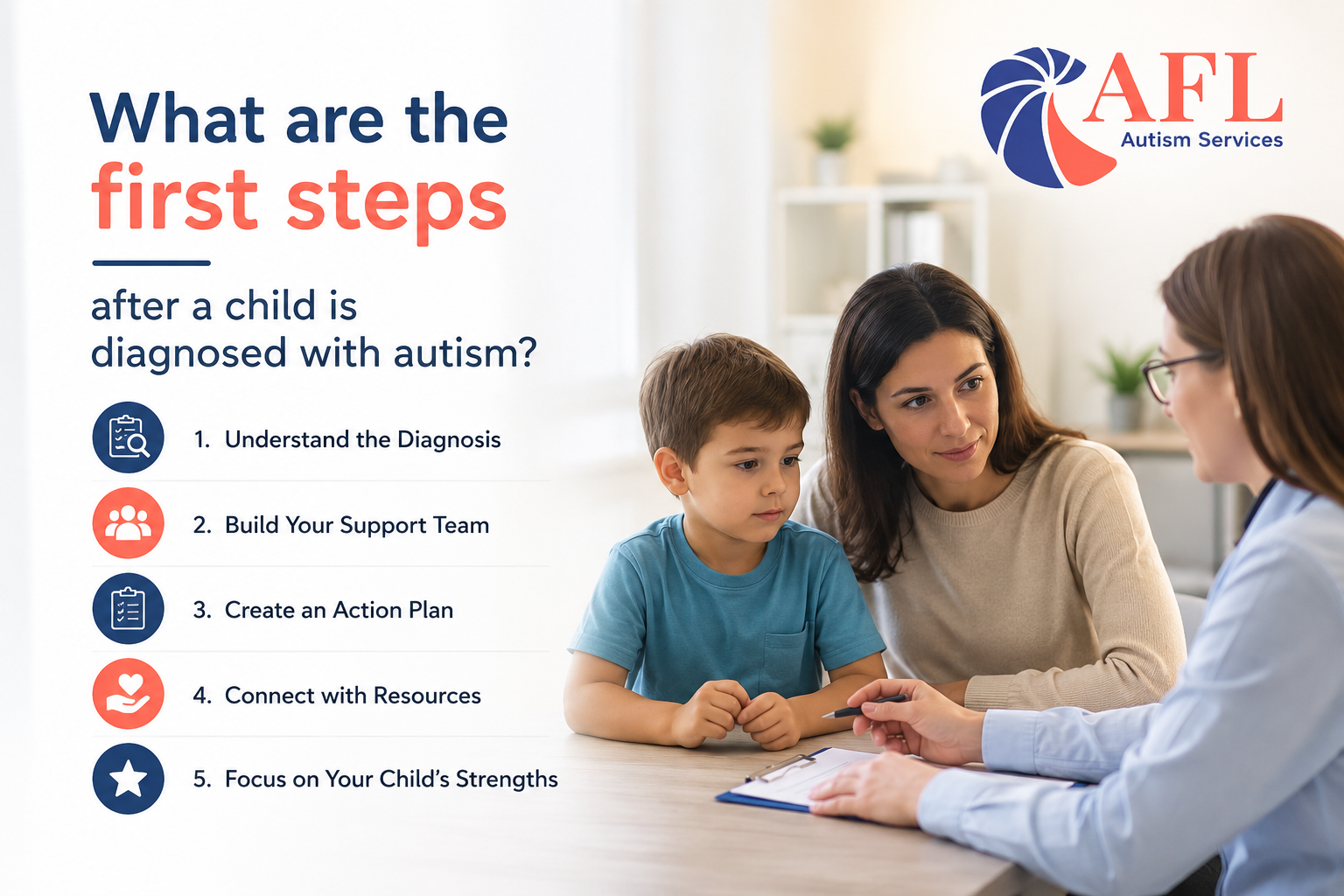
When a child is diagnosed with autism, it can feel overwhelming for parents, especially in the beginning. However, taking the right first steps can make a major difference in the child’s development, learning, and long-term progress. Early action is very important because children’s brains are highly adaptable during the early developmental years, and timely support can significantly improve communication, behavior, and social skills.
The first and most important step after an autism diagnosis is to fully understand the evaluation report provided by the developmental pediatrician or psychologist. This report usually explains the child’s strengths, challenges, and specific developmental needs. Parents should take time to review it carefully and ask questions if anything is unclear. Understanding the diagnosis helps families make informed decisions about therapy and support services.
The next step is to begin early intervention as soon as possible. Research shows that early intervention services, especially Applied Behavior Analysis (ABA) therapy, can greatly improve a child’s ability to learn essential life skills. ABA therapy focuses on positive reinforcement to encourage helpful behaviors such as communication, attention, following instructions, and social interaction. Starting therapy early helps build a strong foundation for future learning and independence.
After this, parents should look for qualified professionals and therapy providers who specialize in autism support. It is important to choose a team that includes trained behavior analysts and therapists who can design a personalized treatment plan based on the child’s unique needs. A good ABA program will not use a one-size-fits-all approach; instead, it will focus on individualized goals that are measurable and meaningful for the child.
Parents should also consider building a strong support system. This may include joining autism support groups, connecting with other parents, and working closely with therapists and educators. Emotional support is just as important as therapy because it helps families stay consistent and motivated throughout the journey.
Another key step is setting realistic and achievable goals. Instead of expecting immediate changes, parents should focus on small improvements such as better eye contact, improved communication, or reduced challenging behaviors. Progress in autism therapy is gradual, and consistency is the key to success.
It is also helpful to start implementing structured routines at home. Children with autism often respond well to predictable schedules, visual supports, and clear instructions. Consistency between home and therapy sessions helps reinforce learning and improves behavior faster.
Finally, parents should actively participate in their child’s development process. This includes attending therapy sessions when possible, learning strategies from therapists, and practicing skills at home. Parent involvement plays a critical role in the success of any autism intervention program.
In summary, the first steps after an autism diagnosis include understanding the report, starting early intervention like ABA therapy, choosing the right professionals, building a support system, setting realistic goals, creating structured routines, and staying actively involved in the child’s development. With the right guidance and early support, children with autism can make meaningful progress and develop essential life skills that help them thrive.